
- understanding-what-restaurants-in-tokyo-are-japanese-only
- reasons-why-some-restaurants-in-tokyo-are-japanese-only
- real-examples-of-japanese-only-restaurants-in-tokyo
- how-to-respectfully-navigate-japanese-only-restaurants
- how-japanese-restaurant-helps-you-find-the-right-place
1. Understanding What Restaurants in Tokyo Are “Japanese Only”
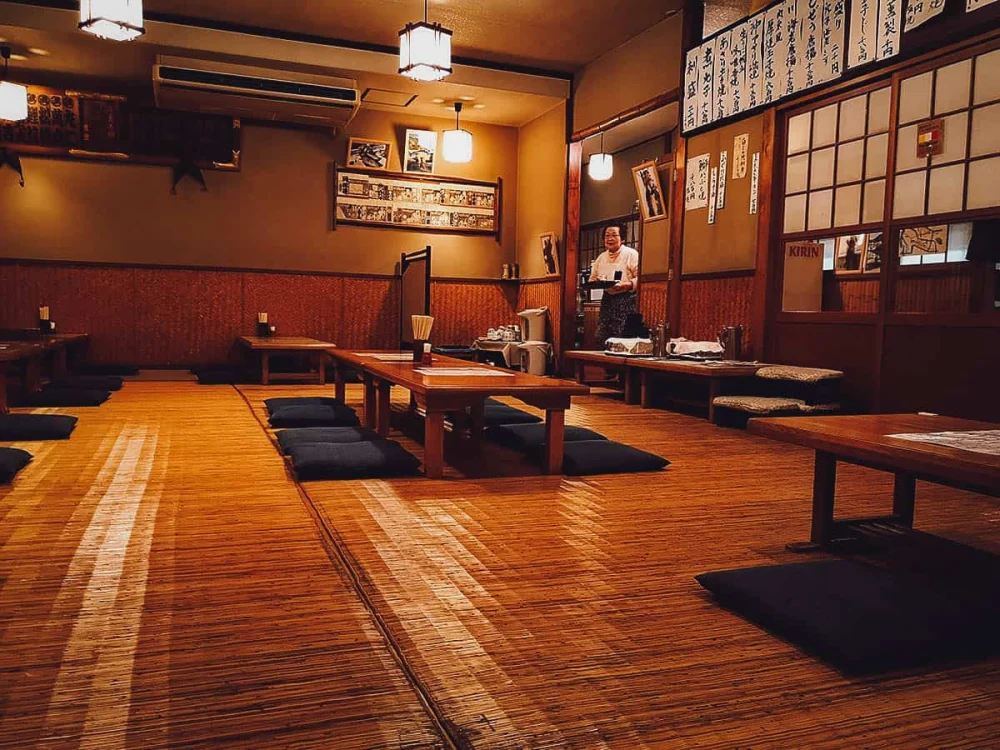
The phrase “Japanese only” has intrigued and, at times, puzzled many travelers to Tokyo. When people ask, “what restaurants in Tokyo are Japanese only?”, they are usually referring to eateries that cater exclusively to Japanese-speaking customers, often with no English menus, limited foreigner accommodations, or strict reservation systems that discourage non-locals.
These restaurants aren’t necessarily trying to be discriminatory. More often, it’s about maintaining a certain atmosphere, tradition, or simply managing communication barriers. Tokyo, with its vibrant dining culture, has a handful of such places — but understanding them takes nuance.
2. Reasons Why Some Restaurants in Tokyo Are “Japanese Only”
2.1 Language barriers and limited staff
One of the most common reasons certain restaurants only accept Japanese customers is the lack of English-speaking staff. Small, family-run sushi or izakaya spots may have no resources for translation or might fear disappointing customers with misunderstandings.
2.2 Maintaining traditional dining etiquette
Some high-end kaiseki or omakase-style restaurants prioritize a very specific cultural and culinary experience. If a guest unknowingly breaches etiquette — like wearing strong perfume, being late, or using flash photography — it can disrupt the delicate atmosphere. Rather than risk that, some chefs quietly opt to accept only Japanese-speaking guests familiar with these norms.
2.3 Exclusivity and reservation systems
In cities like Tokyo, exclusivity is sometimes part of a restaurant's brand. Reservation-only venues often rely on regulars or referrals. Foreign guests, unfamiliar with this closed system, may find these places hard to access — not because they’re not welcome, but because they’re part of a different dining culture entirely.
3. Real Examples of “Japanese Only” Restaurants in Tokyo
3.1 Sushi Saito (すしさいとう)
Famed for its precision and subtlety, Sushi Saito once held three Michelin stars but is now off the Michelin Guide after becoming entirely private. Non-Japanese guests can only book through a trusted Japanese intermediary. It’s not “foreigners unwelcome” — it’s a matter of access and communication.
3.2 Jiro Roppongi
Though less known than its Ginza counterpart, Jiro in Roppongi quietly stopped accepting direct foreign reservations. They prefer bookings through hotel concierges who can vouch for the guest's etiquette and timeliness.
3.3 Some hidden izakayas in Shinjuku’s Golden Gai
In this labyrinth of bars, several small spots display handwritten signs saying “Japanese only.” This is mostly due to the bar being operated by a single owner with no English ability and a preference for quiet, local customers.
4. How to Respectfully Navigate “Japanese Only” Restaurants
4.1 Use a local friend or concierge
Having someone local book on your behalf can often open doors. It signals to the restaurant that you come with guidance and understand the culture. Many high-end venues are fine with foreign guests — as long as they come prepared.
4.2 Respect the rules — even if they’re not spoken
Be punctual, speak quietly, avoid strong perfumes, and follow the chef’s lead. Even if there’s no sign that says “Japanese only,” understanding these unspoken rules can make all the difference.
4.3 Don’t take it personally
If a restaurant says they are not accepting non-Japanese guests, remember that it’s usually about logistics, not xenophobia. Tokyo has thousands of incredible eateries, and many are eager to welcome guests from around the world.
5. How Japanese Restaurant Helps You Find the Right Place
Looking for authentic Tokyo dining while respecting local customs? Japanese Restaurant helps travelers find restaurants that suit their language needs, cultural comfort level, and cuisine interests. Whether you're eager to explore hidden omakase counters or want a cozy izakaya that welcomes foreigners with open arms, we provide accurate descriptions, booking advice, and cultural context.
So next time you're asking yourself “what restaurants in Tokyo are Japanese only?”, turn to Japanese Restaurant to find the places where you're most likely to be welcomed — and advised when it’s better to look elsewhere. We believe that great meals start with great understanding.
 Sushi Train4.0 (2470 reviews)
 Terra Sushi4.0 (239 reviews)
 Nishiki Ramen & Sushi4.0 (299 reviews)
 Umami Restaurant (All You Can Eat Sushi)4.0 (1427 reviews)
 Natsumi Sushi & Seafood Buffet4.0 (1986 reviews)
 Blue Sushi Sake Grill4.0 (2562 reviews)
 What to Do in a Japanese Restaurant: Dining Etiquette, Menu Tips, and Cultural Insights
 The History and Flavor Behind Tachibana Japanese Restaurant – A Culinary Journey
 Exploring the Menu at Kazu Japanese Restaurant: A Journey Through Authentic Japanese Cuisine
 The History and Flavor Behind Sapporo Japanese Restaurant
 An Insider’s Review of Shima Japanese Restaurant: A Culinary Journey in Authentic Japanese Dining
 The Complete Guide to Dining at Sushi Yoko Japanese Restaurant