
- understanding-keto-diet-in-a-japanese-context
- 1-navigating-the-japanese-menu-on-keto
- 2-keto-approved-japanese-dishes-and-ingredients
- 3-what-to-avoid-at-a-japanese-restaurant-on-keto
- 4-keto-restaurant-hacks-and-real-life-experience
- 5-where-to-find-keto-friendly-japanese-restaurants
Understanding Keto Diet in a Japanese Context
The ketogenic diet is a low-carb, high-fat approach to eating that has grown in popularity across the globe. But when you walk into a Japanese restaurant, filled with dishes that often include rice, noodles, and sweet sauces, it might seem like a keto disaster waiting to happen. But don’t worry—knowing how to eat keto friendly at a Japanese restaurant is absolutely possible with a little insight and strategy.
1. Navigating the Japanese Menu on Keto
1.1 Think Beyond Sushi Rolls
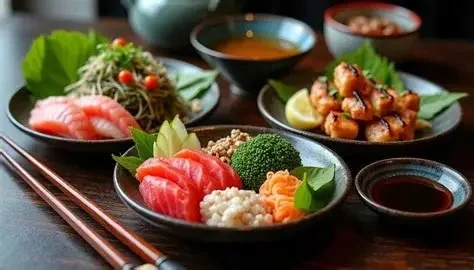
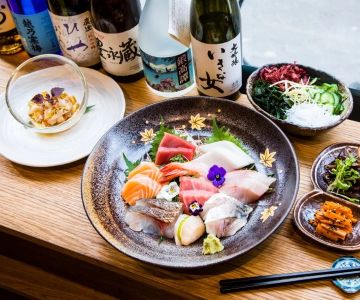
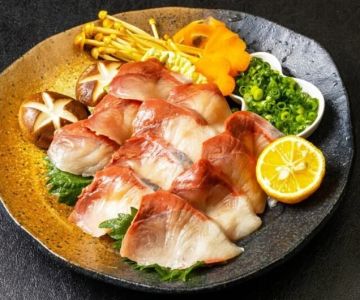
Sushi may be the most recognizable Japanese food globally, but most sushi rolls are packed with rice—one of keto’s biggest no-gos. Instead, focus on sashimi (just the raw fish), which is typically served without any rice and fits beautifully within keto guidelines. High-fat fish like salmon, mackerel, and tuna are not only keto-safe, they’re full of Omega-3s.
1.2 Rely on the Robatayaki and Yakitori Section
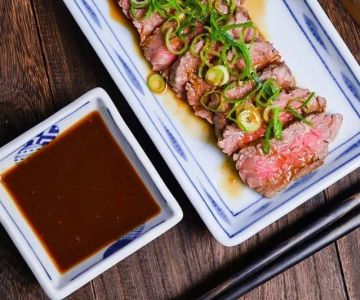
Grilled meat and vegetable skewers—especially chicken thighs, pork belly, beef, and mushrooms—are fantastic keto-friendly options. These are often cooked simply with salt or a light soy-based marinade. Just confirm that no sugary teriyaki glaze was added.
2. Keto-Approved Japanese Dishes and Ingredients
2.1 Sashimi and Seaweed
Stick to plain sashimi served with wasabi and soy sauce (or tamari, for gluten-free). You can even ask if they can prepare a sashimi salad on a bed of greens. Wakame and nori (seaweed) are low in carbs and high in minerals.
2.2 Egg-Based Dishes
Chawanmushi is a savory egg custard dish that’s light and keto-friendly—just make sure it’s not made with added starch. Tamagoyaki (sweet omelet) is not ideal due to added sugar, but some chefs can prepare a savory version if requested.
2.3 Soup and Side Picks
Miso soup can be keto-safe if made traditionally, without tofu or noodles. Tsukemono (pickled vegetables), edamame, and grilled tofu can be great keto-compatible appetizers when consumed in moderation.
3. What to Avoid at a Japanese Restaurant on Keto
3.1 Watch for Hidden Sugars and Carbs
Many sauces—like teriyaki, unagi, and ponzu—are loaded with sugar. Ask for sauce on the side or opt for soy sauce with a bit of wasabi. Also, steer clear of tempura (battered and deep-fried items), ramen, soba, udon, and anything labeled “sweet.”
3.2 Rice, Noodles, and Starchy Sides
This one’s obvious: say no to rice bowls, sushi rolls, mochi, and noodle-based dishes. Even "healthy" miso-glazed vegetables might be laced with sugar-based marinades. Be proactive and kindly ask the chef to prepare dishes with minimal or no added sugar.
4. Keto Restaurant Hacks and Real-Life Experience
4.1 Ask for Customization
Don’t be afraid to speak up. Most Japanese restaurants are incredibly accommodating. You can ask for sashimi only, swap rice for salad, or even build a platter of grilled meats and veggies. At Japanese Restaurant, for instance, many customers praise how flexible the chefs are with dietary needs, including keto.
4.2 A Keto Traveler’s Story
Jenny, a travel blogger who’s been on keto for three years, shared her experience dining in a Tokyo izakaya: “I was worried I’d be stuck eating seaweed all night, but the staff let me order a custom seafood grill set. No sauces, just salt and lemon. It was honestly one of the best meals I’ve had!” Her story proves that keto eating is possible—even delightful—with the right approach.
5. Where to Find Keto-Friendly Japanese Restaurants
5.1 Look for Modern Fusion Spots
Contemporary Japanese restaurants often understand dietary preferences and can offer more flexible dishes. Their menus may even list low-carb or paleo-friendly choices. Calling ahead and reviewing online menus can help make your dining experience smoother.
5.2 Try Trusted Locations Like Japanese Restaurant
At Japanese Restaurant, they make it easy for keto diners by offering protein-rich, sauce-free dishes on request. Whether you’re out for business lunch or casual dining with friends, their chefs aim to honor tradition while respecting your nutritional goals.
 Meetu Japanese Cuisine4.0 (513 reviews)
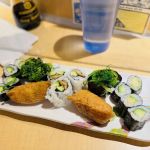 Floating Sushi Boat3.0 (737 reviews)
 Kanagawa4.0 (276 reviews)
 Sushi Yoshi Garden city0.0 (0 reviews)
 Nomikai4.0 (16 reviews)
 Kiwa Asian Kitchen Sushi, Korean, Bar & Boba4.0 (230 reviews)
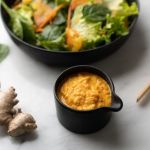 What is in the Ginger Dressing at Japanese Restaurants? A Flavorful Exploration
 Why Locals Recommend Good Japanese Restaurants in NYC
 How to Eat Keto Friendly at a Japanese Restaurant Without Sacrificing Flavor
 Exploring the Menu at Akira Japanese Restaurant
 The History and Flavor Behind Akasaka Sushi Korean Japanese Restaurant | Japanese Restaurant
 What Makes Restaurant Japanese Stand Out Among Japanese Restaurants