
- How to Eat Octopus in a Japanese Restaurant
- Understanding Octopus Dishes in Japan
- Traditional Etiquette for Eating Octopus
- Tips for First-Timers to Enjoy Octopus
- Where to Find the Best Octopus Dishes
How to Eat Octopus in a Japanese Restaurant
Eating octopus in a Japanese restaurant is a unique experience that combines the appreciation of texture, flavor, and cultural tradition. Many first-time visitors find the idea intriguing yet intimidating, wondering exactly how to eat octopus in a Japanese restaurant without making a faux pas. The key is understanding the variety of octopus preparations, the customs surrounding their consumption, and the subtle flavors that make octopus a beloved seafood delicacy in Japan.
1. Recognizing Popular Octopus Preparations
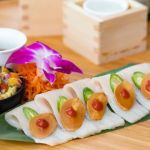
Octopus in Japan is enjoyed in several forms—raw as sashimi or sushi (tako nigiri), grilled (tako yaki), boiled and served cold in salads, or simmered in savory sauces. Each preparation highlights a different texture and flavor profile. For example, tako nigiri typically features thin slices of tender octopus over vinegared rice, appreciated for its slight chewiness and subtle sweetness.
2. Preparing to Eat Octopus
Before eating, it’s common to dip octopus sushi lightly in soy sauce—too much can overpower the delicate flavor. Using chopsticks is the preferred method, though using fingers is acceptable, especially for sushi. Chew slowly to savor the texture, which can range from soft to pleasantly chewy depending on how the octopus was prepared.
Understanding Octopus Dishes in Japan
1. Tako Sashimi and Sushi
Fresh octopus sashimi is thinly sliced and served with wasabi and soy sauce, offering a subtle ocean flavor with a firm bite. Sushi chefs skillfully prepare octopus by tenderizing it beforehand, ensuring the texture isn’t rubbery. Learning this helps diners appreciate why how to eat octopus in a Japanese restaurant goes beyond just the act of eating; it involves recognizing craftsmanship.
2. Takoyaki – The Popular Street Food
Takoyaki is a famous Japanese street snack made of octopus pieces cooked inside small balls of batter, topped with mayonnaise, takoyaki sauce, bonito flakes, and seaweed. It’s a delicious introduction to octopus for many and a fun way to try it if sushi or sashimi isn’t your preference.
Traditional Etiquette for Eating Octopus
1. Respecting Presentation
In Japan, presentation is almost as important as taste. When served octopus, take a moment to admire the dish. It’s customary not to rearrange food on your plate or mix wasabi directly into the soy sauce, as this can be considered impolite.
2. Appropriate Use of Chopsticks
Chopsticks should be used carefully to pick up octopus pieces, avoiding stabbing or passing food chopstick-to-chopstick, which is associated with funerary rituals. These small details contribute to a respectful dining experience and help visitors blend in naturally.
Tips for First-Timers to Enjoy Octopus
1. Start with Cooked Preparations
If you’re hesitant about texture, try cooked octopus dishes like takoyaki or simmered octopus. These are often more tender and approachable for newcomers. Gradually try sashimi or sushi versions as you grow comfortable with the flavor.
2. Pair with Complementary Flavors
Octopus pairs beautifully with citrusy ponzu sauce, pickled ginger, or light soy-based dressings. Trying these combinations can enhance your experience and reduce the natural chewiness.
3. Ask the Chef or Staff for Recommendations
Japanese restaurants often have seasonal octopus dishes or specialty items. Engaging with the staff or chef can provide insider tips on the best ways to enjoy the dish or even hidden menu gems.
Where to Find the Best Octopus Dishes
1. Specialty Japanese Restaurants
For an authentic and expertly prepared octopus experience, visiting a reputable Japanese restaurant is essential. Such places prioritize freshness and traditional techniques, ensuring each bite is memorable. Our site, Japanese Restaurant, can help you discover top-rated eateries specializing in octopus dishes, from sushi bars to izakayas, providing trusted reviews and detailed menus.
2. Seasonal Festivals and Food Markets
In Japan, certain festivals celebrate seafood delicacies including octopus, with street vendors offering freshly prepared takoyaki and grilled octopus. Experiencing these events offers cultural context alongside delicious food.
3. Home-Style Cooking Experiences
Some restaurants provide interactive dining where guests can try cooking or preparing octopus under guidance, turning a meal into a memorable learning experience. This hands-on approach is perfect for food lovers eager to deepen their knowledge about how to eat octopus in a Japanese restaurant authentically.
 Toshi's Teriyaki3.0 (148 reviews)
 Moshi Moshi Sushi & Izakaya4.0 (769 reviews)
 Aloha Sushi4.0 (38 reviews)
 WAKUDA Omakase Room & Bar3.0 (3 reviews)
 HINODEYA Ramen Japantown4.0 (2720 reviews)
 Oshiki Japan (Quail Springs Mall)3.0 (43 reviews)
 Is Japanese Restaurant Good for Celiac People? Tips for Dining Gluten-Free
 Why Taki Japanese Restaurant is a Must-Try Spot for Japanese Food Lovers
 Exploring the Menu at Sasa Japanese Restaurant in the U.S.
 Why Locals Recommend Miyako Japanese Restaurant
 Signature Sushi and Ramen at Izumi Japanese Restaurant
 The Complete Guide to Dining at Azuma Japanese Restaurant in the USA