
- understanding-the-paleo-diet-in-a-japanese-restaurant-context
- how-to-order-smart-on-a-paleo-diet-at-a-japanese-restaurant
- real-experiences-eating-paleo-in-japanese-restaurants
- customizing-your-meal-with-confidence
- where-to-find-the-best-paleo-friendly-japanese-restaurants
1. Understanding the Paleo Diet in a Japanese Restaurant Context
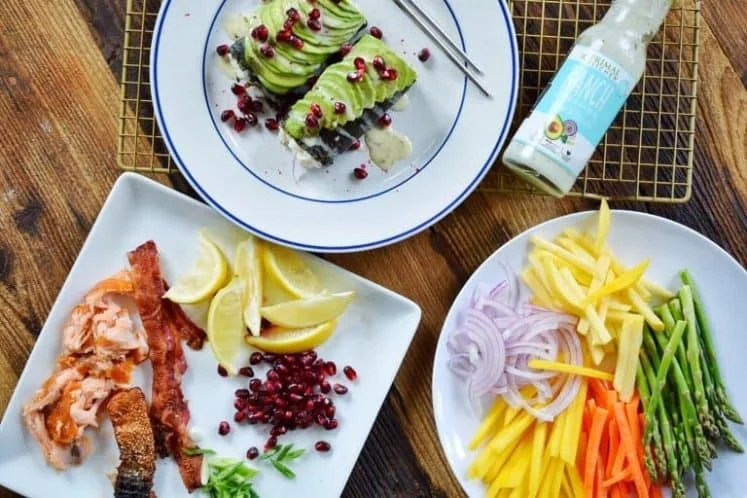
The paleo diet centers on whole, unprocessed foods like meats, fish, vegetables, fruits, and nuts, while excluding grains, dairy, soy, and processed sugars. At first glance, this might seem incompatible with Japanese cuisine, which heavily features rice, soy sauce, and tempura batters. However, many traditional Japanese ingredients can actually complement a paleo lifestyle if you know what to look for and how to adapt your order.
2. How to Order Smart on a Paleo Diet at a Japanese Restaurant
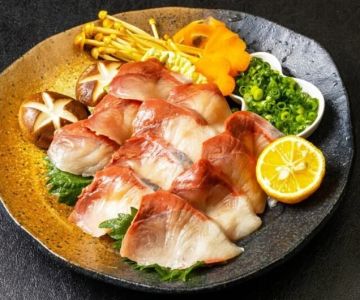
To eat paleo at a Japanese restaurant, begin by focusing on clean proteins. Grilled fish (shioyaki), sashimi, or yakitori (grilled chicken skewers without sauce) are excellent choices. Avoid soy-based marinades and ask if they can be substituted with salt or citrus like yuzu. When it comes to vegetables, miso-based items are generally not paleo due to soy, but lightly pickled or steamed greens, like spinach or seaweed salad (without sugar or vinegar), can be acceptable.
Also, skip rice and noodles, and steer away from tempura or breaded dishes. Opt for items like:
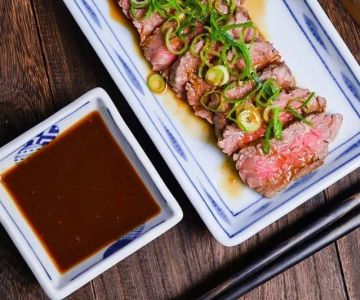
- Beef tataki (lightly seared)
- Avocado salad (without dressing)
- Daikon or grated yam (as garnish or side)
At Japanese Restaurant, many establishments highlight customizable options, making it easier to stick to your paleo goals.
3. Real Experiences Eating Paleo in Japanese Restaurants
I remember dining in a Tokyo izakaya with a friend who strictly follows the paleo diet. He was initially nervous, but quickly realized he could build a great meal from grilled skewers, raw fish, and simple vegetables. The server was incredibly helpful, even pointing out which sauces contained soy or sugar. That personal attention and cultural hospitality made it easy for him to enjoy the night without compromising his diet.
More recently, in a Japanese fusion restaurant in Seattle, I found a paleo-friendly "sashimi platter with avocado purée and citrus" that was both satisfying and creative—proof that modern Japanese cuisine is evolving to meet diverse dietary needs.
4. Customizing Your Meal with Confidence
Don’t be afraid to ask for adjustments. Most Japanese chefs and servers appreciate dietary transparency. Politely request dishes without sauce, ask for substitutions like extra vegetables instead of rice, or simply confirm the use of clean oils in grilling. The key is clarity and respect for the kitchen’s process. Saying, “I’m following a no-soy, no-rice diet for health reasons,” often results in accommodating service.
When ordering something like sashimi, pair it with lemon and wasabi rather than dipping it in soy sauce. Carry your own coconut aminos if needed. Bring intention to the table, and you’ll find paleo dining much easier than expected.
5. Where to Find the Best Paleo-Friendly Japanese Restaurants
Some Japanese restaurants are more accommodating to dietary restrictions than others. In cities like Los Angeles, New York, and Sydney, paleo-conscious menus are becoming more common. On our platform, Japanese Restaurant, you can discover curated listings of restaurants that offer paleo-adaptable menus, customizable dishes, and even organic or locally sourced ingredients.
Whether you're traveling or just want a casual night out, knowing where to go makes all the difference. Paleo eating doesn’t mean compromising flavor—especially when Japanese chefs are involved.
 Torishin4.0 (779 reviews)
 Maki Han4.0 (12 reviews)
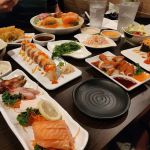 Sushi Yama4.0 (2039 reviews)
 Akahoshi Ramen4.0 (445 reviews)
 Habachihana Grill4.0 (13 reviews)
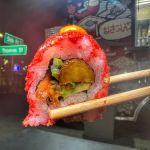 Aka Sushi 585.0 (7 reviews)
 An Insider’s Review of Sushishima Japanese Restaurant
 How to Eat Paleo at a Japanese Restaurant Without Compromising Flavor
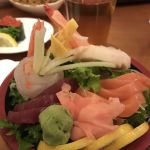 Exploring the Menu at A1 Japanese Restaurant
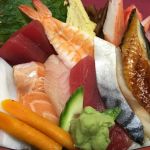 Top Dishes You Should Order at Tachibana Japanese Restaurant
 Why Green Tea Japanese Restaurant Is a Must-Try Spot for Japanese Food Lovers
 An Insider’s Review of Hiro Japanese Restaurant: A Culinary Gem