
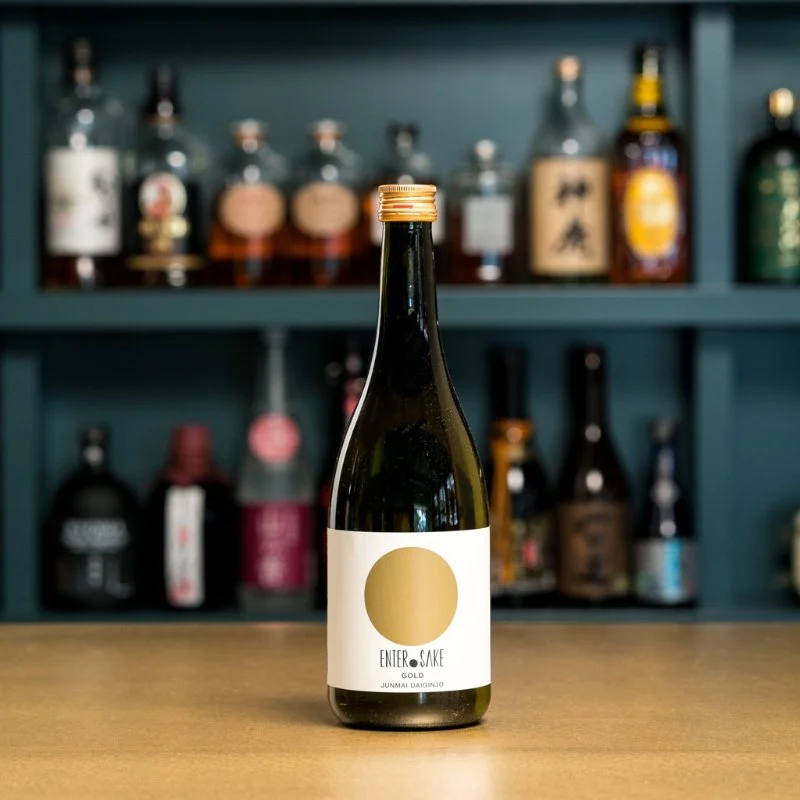
- understanding-junmai-ginjo-sake-what-makes-it-special - Understanding Junmai Ginjo Sake: What Makes It Special
- why-ordering-sake-at-a-japanese-restaurant-is-an-art - Why Ordering Sake at a Japanese Restaurant Is an Art
- how-to-find-junmai-ginjo-sake-in-japanese-restaurants - How to Find Junmai Ginjo Sake in Japanese Restaurants
- real-dining-experience-how-i-discovered-my-favorite-sake - Real Dining Experience: How I Discovered My Favorite Sake
- expert-tips-for-sake-lovers-dining-out - Expert Tips for Sake Lovers Dining Out
- explore-authentic-places-to-savor-premium-sake - Explore Authentic Places to Savor Premium Sake
1. Understanding Junmai Ginjo Sake: What Makes It Special
Before diving into how to find Junmai Ginjo sake in Japanese restaurants, it’s important to understand what sets it apart. Junmai Ginjo is a premium sake made with rice polished to at least 60%, without added alcohol. The result? A delicate aroma, complex flavor, and a clean, slightly fruity finish. It’s the kind of drink that doesn’t just accompany a meal—it enhances it.
Many sake enthusiasts describe Junmai Ginjo as the gateway to understanding the depth of traditional Japanese brewing. Unlike table sake or mass-market alternatives, it’s brewed with attention to craft and often pairs beautifully with sushi, sashimi, or grilled dishes.
2. Why Ordering Sake at a Japanese Restaurant Is an Art
2.1 The Sake List Is Not Always Obvious
Many Japanese restaurants, especially in the U.S., don’t prominently display their full sake selection. You might only see a few choices on the menu, with premium varieties like Junmai Ginjo quietly tucked away. That’s why talking to your server or sake sommelier can make all the difference.
2.2 Don’t Judge by the Menu Alone
Some restaurants rotate their sake offerings regularly or bring in seasonal varieties directly from Japan. Just because Junmai Ginjo isn’t listed doesn’t mean it’s not available. If you’re unsure, ask if they carry “Junmai Ginjo” or even more specifically, brands like Dassai, Dewazakura, or Nanbu Bijin.
3. How to Find Junmai Ginjo Sake in Japanese Restaurants
3.1 Talk to the Staff
One of the easiest and most reliable ways to find Junmai Ginjo sake is to ask the staff. Servers at traditional Japanese establishments are usually well-versed in their sake selections. Express your preference for a light, aromatic, refined sake, and most likely they’ll recommend a Junmai Ginjo—or even let you sample it.
3.2 Look for Clues on the Drink Menu
Scan the menu for terms like “polished rice ratio” or “Junmai” and “Ginjo.” If a sake is labeled with 60% polishing or higher and doesn’t include distilled alcohol, you’re likely looking at Junmai Ginjo.
3.3 Visit Sake-Focused Restaurants
Not all Japanese restaurants prioritize their sake offerings, but those that do—like izakayas, omakase spots, and sake bars—often carry a curated list. Establishments that advertise a “sake flight” or “premium sake tasting” are more likely to stock Junmai Ginjo.
4. Real Dining Experience: How I Discovered My Favorite Sake
I still remember my first sip of Junmai Ginjo—it was at a cozy Japanese restaurant in San Francisco. The chef recommended it with grilled mackerel, and the balance between the smoky fish and crisp sake was unforgettable. I wasn’t even looking for premium sake at the time. That recommendation changed the way I order forever.
This kind of experience is common when diners are open to asking questions and exploring new pairings. Sometimes the best sake isn’t even on the menu—it’s behind the bar, waiting for someone curious enough to ask.
5. Expert Tips for Sake Lovers Dining Out
5.1 Ask for Sake Flights
If you’re unsure what to try, ask for a sake flight. Many Japanese restaurants offer this option, letting you taste multiple styles side by side. If Junmai Ginjo is available, it will usually be a part of the flight.
5.2 Trust the Chef or Sommelier
Chefs and sake sommeliers often have insider knowledge about pairings. Let them know your preferences—fruity vs dry, light vs full-bodied—and they’ll guide you to the right Junmai Ginjo.
5.3 Pay Attention to the Bottle
If you’re brought a bottle of sake to the table, check the label. Even if you can’t read Japanese, look for the words “Junmai Ginjo.” Some even feature English descriptors and tasting notes that hint at its quality.
6. Explore Authentic Places to Savor Premium Sake
If you're serious about discovering the best Junmai Ginjo sake, you’ll want to visit restaurants that take pride in their sake programs. That’s where Japanese Restaurant comes in. Whether you’re looking for a neighborhood gem or a renowned tasting experience, you’ll find curated listings of top-tier Japanese dining spots where Junmai Ginjo is not just available—it’s celebrated.
So next time you're out, don’t settle for whatever’s on the menu. Ask for Junmai Ginjo. You might just discover a new favorite that turns your dinner into something truly memorable.
 Kam's Bubble Tea & Sushi4.0 (552 reviews)
 Menya Hosaki4.0 (562 reviews)
 Juicy Teriyaki4.0 (59 reviews)
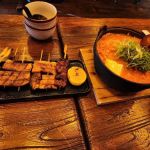 Tamashii Izakaya (Izakaya Haru)4.0 (40 reviews)
 Muracci's4.0 (361 reviews)
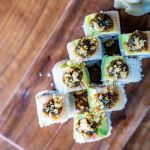 SUSHI ROW0.0 (0 reviews)
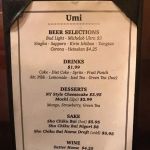 Exploring the Menu at Umi Japanese Restaurant
 How to Sit on the Floor at a Japanese Restaurant: Etiquette & Comfort Tips
 Exploring the Menu at Suteishi Japanese Restaurant: A Culinary Adventure
 A Foodie’s Experience at Akasaka Sushi Korean Japanese Restaurant: A Culinary Journey
 Why Fujiyama Japanese Restaurant Is a Must-Try Spot for Japanese Food Lovers
 Exploring the Menu at Hana Japanese Restaurant – Discover Authentic Japanese Dishes