
- 1-Basic-Phrases-for-Leaving-a-Japanese-Restaurant
- 2-Cultural-Etiquette-When-Leaving
- 3-Common-Mistakes-to-Avoid
- 4-Real-Experiences-and-Stories
- 5-Additional-Resources-for-Japanese-Dining
1. Basic Phrases for Leaving a Japanese Restaurant
Knowing how to leave a restaurant in Japanese involves using polite expressions that show gratitude and respect. Common phrases include:
- ごちそうさまでした (Gochisousama deshita) — A phrase meaning "Thank you for the meal," said after finishing your food.
- ありがとうございました (Arigatou gozaimashita) — A polite "Thank you" to the staff when leaving.
- 失礼します (Shitsurei shimasu) — Meaning "Excuse me," often used when leaving the table or the restaurant.
Using these phrases appropriately reflects good manners and appreciation for the service and food provided.
2. Cultural Etiquette When Leaving a Japanese Restaurant
In Japanese culture, leaving a restaurant is more than just walking out—it's a moment to express gratitude and respect. Unlike some cultures where tipping is customary, Japan emphasizes politeness and verbal thanks. Staff typically say “またお越しくださいませ” (Mata okoshi kudasaimase), inviting guests to return.
It is customary to wait for the staff to bring your bill rather than rushing to the register. Also, when leaving, turning slightly and bowing shows respect and appreciation for the hospitality.
Understanding this etiquette enhances your dining experience and builds positive interactions with Japanese restaurant staff.
3. Common Mistakes to Avoid When Leaving a Japanese Restaurant
Many visitors unintentionally make errors such as leaving without saying Gochisousama deshita or forgetting to thank the staff. Another common mistake is handling payment abruptly; in Japan, it's polite to wait for the server to present the bill and process payment calmly.
Avoid rushing out immediately after eating or neglecting to bow slightly upon departure, as these actions may be perceived as impolite or rushed.
4. Real Experiences and Stories Illustrating Proper Departure Etiquette
A traveler visiting Tokyo shared how learning the phrase Gochisousama deshita changed their dining encounters. They noticed staff visibly smiled more and offered additional kindness, making their visits more enjoyable.
In another story, a group dining at a traditional izakaya impressed the owners by following proper leaving etiquette, including bowing and thanking the staff. This led to personal invitations to return, illustrating how respect in small gestures creates lasting goodwill.
5. Additional Resources to Master Japanese Dining Etiquette
For those eager to deepen their understanding of Japanese dining culture, Japanese Restaurant offers comprehensive guides and recommendations. Whether you want to learn how to leave a restaurant in Japanese or explore other etiquette tips, our platform provides valuable insights and resources.
Exploring these customs enhances your appreciation of Japan’s rich culinary heritage and ensures every meal is both respectful and memorable.

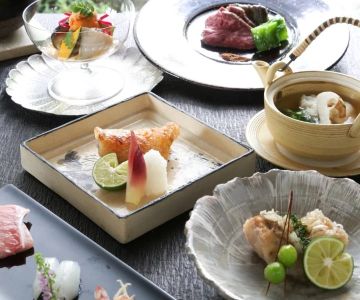
 Toshi's Teriyaki3.0 (148 reviews)
 Moshi Moshi Sushi & Izakaya4.0 (769 reviews)
 Aloha Sushi4.0 (38 reviews)
 WAKUDA Omakase Room & Bar3.0 (3 reviews)
 HINODEYA Ramen Japantown4.0 (2720 reviews)
 Oshiki Japan (Quail Springs Mall)3.0 (43 reviews)
 Is Japanese Restaurant Good for Celiac People? Tips for Dining Gluten-Free
 Why Taki Japanese Restaurant is a Must-Try Spot for Japanese Food Lovers
 Exploring the Menu at Sasa Japanese Restaurant in the U.S.
 Why Locals Recommend Miyako Japanese Restaurant
 Signature Sushi and Ramen at Izumi Japanese Restaurant
 The Complete Guide to Dining at Azuma Japanese Restaurant in the USA