
- 1-essential-ingredients-for-japanese-style-fried-rice
- 2-step-by-step-cooking-process
- 3-tips-to-achieve-authentic-flavor-and-texture
- 4-real-life-stories-and-popularity
- 5-where-to-find-best-ingredients-and-resources
1. Essential Ingredients for Japanese-Style Fried Rice
Understanding how to make fried rice like the Japanese restaurants starts with the right ingredients. Japanese fried rice, or chāhan (チャーハン), emphasizes simplicity and balance.
1.1 Rice
Use day-old Japanese short-grain rice, which has a sticky but firm texture that helps the fried rice hold together without becoming mushy.
1.2 Protein
Common proteins include diced chicken, shrimp, or pork. Some variations use eggs as the primary protein, scrambled lightly into the rice.
1.3 Vegetables and Seasonings
Green onions, peas, carrots, and sometimes corn are added for color and texture. Soy sauce, salt, pepper, and a hint of sesame oil provide the essential seasoning.
2. Step-by-Step Cooking Process
Mastering the cooking process is key to replicating the flavors found in Japanese restaurants.
2.1 Preparing the Rice
Ensure the rice is cold and separated to avoid clumping. Using leftover rice from the fridge is ideal.
2.2 Stir-Frying Ingredients
Heat oil in a wok or large frying pan over medium-high heat. Begin by cooking the protein until just done, then add vegetables and sauté briefly.
2.3 Combining Rice and Seasoning
Add the rice and stir-fry thoroughly, breaking up clumps. Season with soy sauce and salt carefully to maintain balance. Finish with a drizzle of sesame oil and chopped green onions.
3. Tips to Achieve Authentic Flavor and Texture
Japanese fried rice is loved for its delicate flavors and perfect texture. Here are some tips:
3.1 Use High Heat
Cooking on high heat helps achieve the slight “wok hei” or smoky flavor, enhancing depth.
3.2 Avoid Overcrowding
Cooking in small batches prevents steaming and keeps the rice fluffy.
3.3 Balance Seasoning
Less is more—Japanese fried rice is not overly salty or heavy. Taste as you go and adjust seasoning accordingly.
4. Real-Life Stories and Popularity
Many Japanese restaurant chefs share that the secret to their fried rice lies in the quality of rice and precise heat control. A famous Tokyo chef once revealed that the best chāhan is as much about timing as ingredients, showing how tradition meets technique.
Food bloggers visiting Japanese restaurants often praise the simplicity and comfort of fried rice, making it a beloved staple for both locals and visitors.
5. Where to Find Best Ingredients and Resources
For those eager to recreate restaurant-quality fried rice at home, sourcing authentic Japanese rice and seasonings is crucial. Websites like Japanese Restaurant offer curated products and cooking guides to help you bring genuine Japanese flavors to your kitchen.
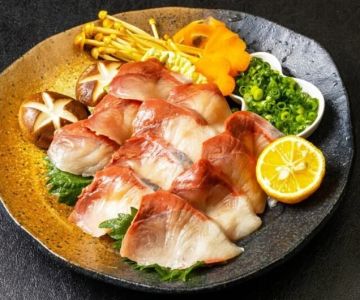
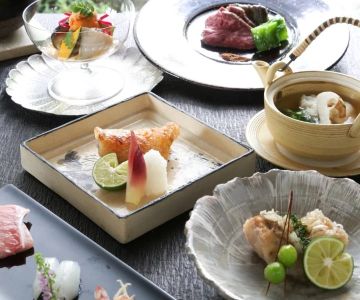
 Hashigo Sushi4.0 (283 reviews)
 FuGaKyu Japanese Cuisine4.0 (1434 reviews)
 Pepper Lunch4.0 (542 reviews)
 Mura Shabu Shabu3.0 (7 reviews)
 Osaka Ramen and Sushi4.0 (297 reviews)
 Koja Sushi4.0 (496 reviews)
 Why Restaurant Japanese Is a Must-Try Spot for Japanese Food Lovers
 Don Japanese Restaurant Auckland: Discover Authentic Donburi Flavors
 What Makes Green Tea Japanese Restaurant Stand Out Among Japanese Restaurants
 A Aki Japanese Restaurant: Where Tradition Meets Modern Japanese Dining
 Why Locals Recommend Kru Japanese Restaurant: A Hidden Gem for Authentic Japanese Cuisine
 What to Eat at a Japanese Restaurant Besides Sushi