
- understanding-japanese-dining-etiquette-before-you-book
- choosing-the-right-place-for-your-experience—from-omakase-to-izakaya
- how-to-make-japanese-restaurant-reservations-effectively—online-phone-and-in-person
- timing-matters—when-to-book-and-why-it-makes-a-difference
- real-world-stories-of-reservation-success-and-failure
- making-it-easy-with-japanese-restaurant—trusted-places-and-smart-picks
1. Understanding Japanese Dining Etiquette Before You Book
Before diving into how to make Japanese restaurant reservations, it’s important to understand that Japanese dining culture is steeped in etiquette. Whether you’re heading to a Michelin-starred kaiseki spot or a casual yakitori bar, expectations of punctuality and politeness are high.
For example, arriving on time is not just polite—it’s expected. If you're late by even ten minutes, some restaurants may cancel your reservation, especially high-end ones where preparation begins hours in advance. Also, no-shows are considered extremely rude, and in some cases, may result in cancellation fees.
2. Choosing the Right Place for Your Experience: From Omakase to Izakaya
2.1 Understanding Different Types of Japanese Dining
Not all Japanese restaurants operate the same. An omakase sushi bar is different from an izakaya, and making a reservation can vary accordingly. Omakase typically requires reservations far in advance—sometimes weeks or even months. Meanwhile, casual spots like ramen shops may not even accept reservations.
2.2 Matching the Occasion to the Venue
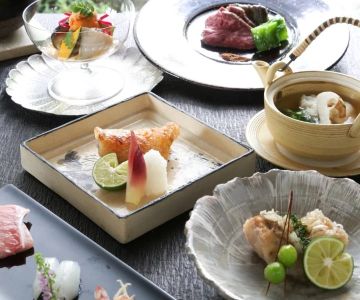
If you're celebrating an anniversary, consider a multi-course kaiseki meal in Kyoto-style ambiance. Business dinner? A serene sushi bar with counter seating fits best. The key to making a great reservation isn’t just about locking in a spot—it’s about choosing the right one.
3. How to Make Japanese Restaurant Reservations Effectively: Online, Phone, and In-Person
3.1 Online Booking Platforms
Many high-end Japanese restaurants in larger cities like Tokyo, Osaka, and even abroad now offer online reservations via websites like TableCheck, OpenTable, or even their own booking pages. These allow users to browse availability, select dietary preferences, and receive confirmations in English.
3.2 Calling Ahead
For restaurants without online booking, calling is still a solid option—especially if you speak some Japanese or have access to a concierge. If language is a barrier, services like Pocket Concierge or Voyagin (for Japan-specific bookings) can help navigate reservations for non-Japanese speakers.
3.3 In-Person Reservations
If you're already in Japan or near the restaurant, visiting in person can sometimes get you a last-minute reservation that online systems won’t offer. This works especially well for mid-range places that don’t operate digitally but still value personal interaction.
4. Timing Matters: When to Book and Why It Makes a Difference
The earlier you plan, the better your options. For famous sushi restaurants like Sukiyabashi Jiro, reservations may open up a month in advance and get filled within minutes. A good rule of thumb is:
- Book 30–60 days in advance for high-end restaurants
- 1–2 weeks for popular casual dining spots
- Same-day or walk-in for local izakayas or ramen bars
Remember that Japan's busy seasons—like cherry blossom in April or Golden Week in May—will require even earlier planning due to tourist demand.
5. Real-World Stories of Reservation Success and Failure
Emma, a foodie from Chicago, planned a Tokyo trip months ahead and scored a reservation at Sushi Saito through her hotel concierge—something she couldn't do online. “It was the most unforgettable meal of my life,” she said.
Meanwhile, Jordan, who tried to walk into a popular yakitori joint in Shinjuku with a party of five, was turned away twice—first for not having a booking, and second for not showing up on time after they said they'd wait. It’s a good reminder that reservations in Japan aren’t just suggestions—they’re commitments.
6. Making It Easy with Japanese Restaurant: Trusted Places and Smart Picks
Navigating how to make Japanese restaurant reservations can feel overwhelming, especially with language barriers, cultural nuances, and limited availability. That’s why turning to trusted platforms like Japanese Restaurant can streamline the entire process. Whether you're searching for a romantic omakase spot in San Francisco or a sushi bar in New York, they offer curated selections and reservation support tailored for U.S. diners.
Your perfect Japanese dining experience is just a click—or a respectful call—away. Plan ahead, know the etiquette, and let Japanese Restaurant guide you toward an authentic and seamless reservation journey.
 Avana sushi 3 & seafood restaurant4.0 (58 reviews)
 Sushi Ahn4.0 (191 reviews)
 Piramida Restaurant4.0 (206 reviews)
 Yoshi Sushi4.0 (199 reviews)
 Magoya4.0 (296 reviews)
 Kappo Honda 割烹本多4.0 (711 reviews)
 A Foodie’s Experience at Asaka Japanese Restaurant: A Journey of Flavor
 A Foodie’s Experience at Umami Japanese Restaurant
 How to Make a Reservation at a Restaurant in Japanese
 The History and Flavor Behind Yoshi Japanese Restaurant
 What Makes Shima Japanese Restaurant Stand Out Among Japanese Restaurants
 Why Locals Recommend Authentic Japanese Restaurants Near You