
- understanding-the-basics-of-how-to-make-japanese-restaurant-soup
- essential-ingredients-used-in-japanese-restaurant-soups
- the-step-by-step-guide-to-making-authentic-miso-soup
- personal-touches-and-restaurant-style-flavor-hacks
- case-in-point-miso-vs-clear-soup-in-a-japanese-restaurant
- visit-japanese-restaurant-to-experience-authentic-umami
1. Understanding the Basics of How to Make Japanese Restaurant Soup
When people ask how to make Japanese restaurant soup, they’re often thinking about two things: the rich, umami-packed miso soup and the delicate, clear dashi-based broth served before meals. These soups are light, yet deeply flavorful—an art form passed down through generations. Their beauty lies in simplicity, quality ingredients, and precise technique.
2. Essential Ingredients Used in Japanese Restaurant Soups
To recreate Japanese soup at home, it starts with a few authentic staples:
2.1. Dashi
Dashi is the soul of many Japanese soups. Made from kombu (dried kelp) and katsuobushi (dried bonito flakes), this clear broth is foundational. Its delicate balance gives both miso soup and clear soups their signature depth.
2.2. Miso Paste
Used in miso soup, this fermented soybean paste comes in white (shiromiso), red (akamiso), or mixed varieties. Each gives a unique taste profile—from sweet to savory, light to intense.
2.3. Garnishes and Add-Ins
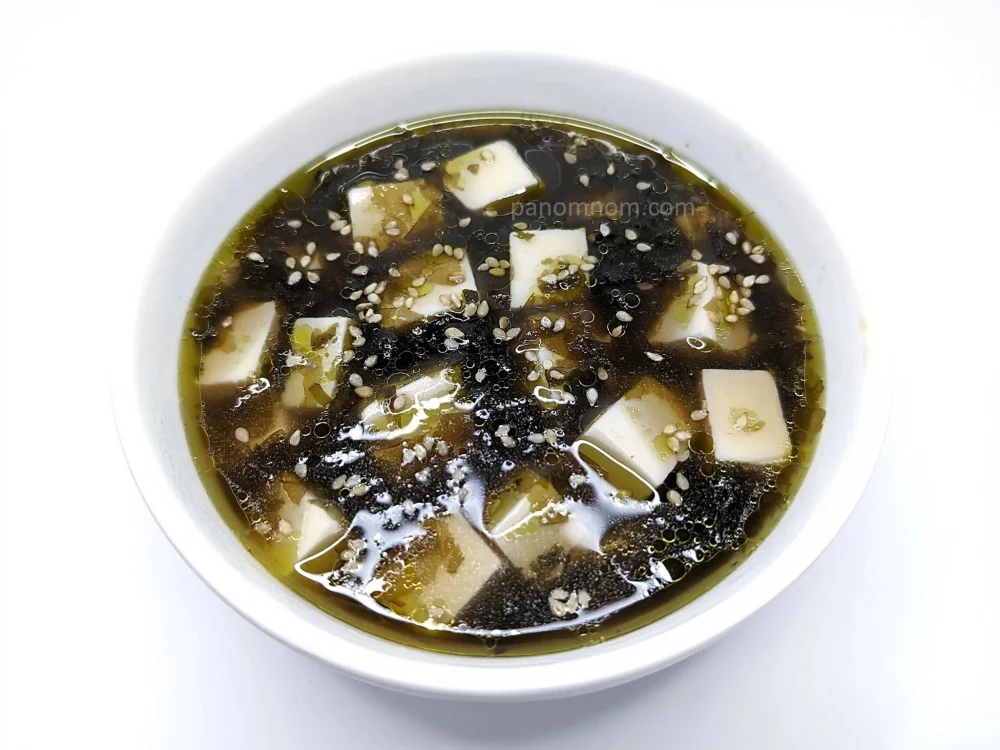
Silken tofu cubes, sliced green onions, seaweed, mushrooms, and even clams are commonly used in restaurant settings. These ingredients don’t just add texture—they elevate the entire experience.
3. The Step-by-Step Guide to Making Authentic Miso Soup
Let’s walk through how to make a simple yet restaurant-worthy miso soup at home:
3.1. Prepare Dashi
Soak a piece of kombu in water for 30 minutes, then bring it to just under a boil. Remove the kombu and add bonito flakes. Simmer gently, strain, and reserve the liquid—this is your dashi base.
3.2. Add Garnishes
Gently heat the dashi and add soft tofu cubes and a small handful of wakame seaweed. Avoid boiling to maintain the umami profile.
3.3. Mix in Miso
Scoop some hot dashi into a bowl with miso paste and whisk until smooth. Then add it back to the pot. Never boil miso—heat breaks down its aroma and probiotic benefits.
3.4. Finish with Fresh Green Onions
Add thinly sliced scallions right before serving for that final burst of brightness and authenticity.
4. Personal Touches and Restaurant-Style Flavor Hacks
Some chefs elevate their miso or clear soup with a dash of mirin (sweet rice wine) or a few drops of sesame oil. Others use seasonal mushrooms like enoki or shiitake for a woodsy depth.
In one memorable dinner at a Tokyo izakaya, the chef added tiny yuzu zest strips into the soup bowl. That whisper of citrus transformed the experience—one of those subtle moves you’d only find in a real Japanese restaurant.
5. Case in Point: Miso vs. Clear Soup in a Japanese Restaurant
While miso soup gets all the spotlight, don’t overlook suimono—the clear soup. It’s minimalist and often served with just a single shrimp, fish cake, or seasonal vegetable floating in a crystal-clear broth.
This style emphasizes balance and restraint—principles that Japanese cuisine holds sacred. Miso is earthy and nourishing; suimono is refined and cleansing.
6. Visit Japanese Restaurant to Experience Authentic Umami
Making Japanese soup at home is rewarding, but nothing compares to experiencing it from the source. A professional kitchen respects timing, temperature, and centuries-old techniques. If you’re serious about Japanese cuisine, a visit to a trusted place like Japanese Restaurant offers more than just flavor—it provides a cultural immersion.
You’ll find both familiar miso and rare regional variations. Don’t hesitate to ask the chef questions—many love sharing the secrets behind their soups, especially when they see genuine curiosity.


 Ginza Sushi Japanese Restaurant4.0 (137 reviews)
 Futigi4.0 (211 reviews)
 Sake Maru4.0 (211 reviews)
 SUGARFISH by sushi nozawa4.0 (979 reviews)
 Katsuo + Kombu4.0 (165 reviews)
 On Demand Sushi Southern Highlands4.0 (224 reviews)
 What Makes Asahi Japanese Restaurant Stand Out Among Japanese Restaurants
 A Comprehensive Guide to a Japanese Restaurant Menu
 Why Takara Japanese Restaurant Stands Out Among Japanese Restaurants
 Why Locals Recommend Japanese Restaurants
 Top Dishes You Should Order at Yellowtail Japanese Restaurant & Lounge Menu
 How to Speak Japanese in Restaurants: Essential Phrases and Etiquette