
1. Choosing the Right Rice for Authentic Japanese Fried Rice
The foundation of any great Japanese fried rice lies in the choice of rice. Japanese short-grain rice, known for its sticky and chewy texture, is ideal for achieving that authentic taste and mouthfeel. For the best results, use day-old rice that has been refrigerated. This allows the grains to firm up, preventing clumping and ensuring each grain fries evenly.
2. Essential Ingredients for Japanese Restaurant-Style Fried Rice
To replicate the flavors of Japanese restaurant-style fried rice, gather the following ingredients:
- Rice: 3 cups of cooked and cooled Japanese short-grain rice.
- Protein: 1 cup of diced grilled chicken, shrimp, or tofu.
- Vegetables: ½ cup each of finely diced carrots, onions, and green peas.
- Eggs: 2 large eggs, lightly beaten.
- Seasonings: 2 tablespoons of soy sauce, 1 teaspoon of sesame oil, and a pinch of white pepper.
- Garnish: Chopped green onions and sesame seeds.
These ingredients come together to create a harmonious blend of flavors and textures characteristic of Japanese fried rice.
3. Step-by-Step Guide to Cooking Japanese Fried Rice
Follow these steps to prepare your Japanese restaurant-style fried rice:
- Prepare the Ingredients: Dice the vegetables and protein into uniform pieces. Beat the eggs in a bowl.
- Heat the Pan: In a large wok or skillet, heat 1 tablespoon of oil over medium-high heat.
- Cook the Eggs: Pour the beaten eggs into the pan, scrambling them until just set. Remove and set aside.
- Sauté Vegetables: Add another tablespoon of oil to the pan. Sauté the diced carrots and onions until they begin to soften, about 2-3 minutes. Add the green peas and cook for an additional minute.
- Add Protein: Incorporate the diced protein into the pan, cooking until heated through.
- Combine Rice: Add the cooled rice to the pan, breaking up any clumps. Stir-fry for 3-4 minutes, ensuring the rice is evenly mixed with the vegetables and protein.
- Season: Pour in the soy sauce and sesame oil, stirring to coat the rice evenly. Add the cooked eggs back into the pan, mixing thoroughly.
- Garnish and Serve: Sprinkle with chopped green onions and sesame seeds before serving.
This method ensures each component is cooked to perfection, resulting in a dish that's both flavorful and satisfying.
4. Pro Tips for Perfecting Your Fried Rice
Achieving restaurant-quality fried rice at home requires attention to detail:
- Use High Heat: Cooking over high heat prevents the rice from becoming mushy and helps achieve that characteristic slight crispness.
- Don't Overcrowd the Pan: Cook in batches if necessary to ensure even cooking and prevent steaming.
- Season Gradually: Add soy sauce and other seasonings incrementally, tasting as you go to avoid over-seasoning.
- Incorporate Butter: A small amount of butter can add richness and depth to the flavor profile.
These tips, combined with practice, will elevate your fried rice to restaurant standards.
5. Customizing Your Fried Rice to Your Taste
One of the joys of making fried rice at home is the ability to tailor it to your preferences:
- Protein Variations: Substitute chicken with shrimp, beef, or tofu for different flavor profiles.
- Vegetable Additions: Incorporate vegetables like bell peppers, mushrooms, or corn to add variety and nutrition.
- Spice Level: Adjust the heat by adding chili oil or fresh chili peppers according to your taste.
- Flavor Enhancers: Experiment with adding a splash of mirin or a dash of white pepper for additional depth.
Feel free to get creative and make the dish your own.
6. Bringing the Japanese Restaurant Experience Home
Recreating the ambiance of a Japanese restaurant involves more than just the food. Consider the following to enhance your dining experience:
- Presentation: Serve the fried rice in traditional Japanese bowls and use chopsticks for authenticity.
- Accompaniments: Pair your fried rice with miso soup, pickled vegetables, or a simple salad to complete the meal.
- Atmosphere: Play soft Japanese music in the background and set the table with minimalist decor to emulate a Japanese dining setting.
For more inspiration and to explore a variety of Japanese dishes, visit Japanese Restaurant, where you'll find a curated selection of recipes and dining ideas to bring the essence of Japanese cuisine into your home.
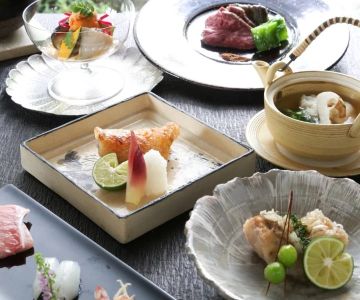
 Hashigo Sushi4.0 (283 reviews)
 FuGaKyu Japanese Cuisine4.0 (1434 reviews)
 Pepper Lunch4.0 (542 reviews)
 Mura Shabu Shabu3.0 (7 reviews)
 Osaka Ramen and Sushi4.0 (297 reviews)
 Koja Sushi4.0 (496 reviews)
 Why Restaurant Japanese Is a Must-Try Spot for Japanese Food Lovers
 Don Japanese Restaurant Auckland: Discover Authentic Donburi Flavors
 What Makes Green Tea Japanese Restaurant Stand Out Among Japanese Restaurants
 A Aki Japanese Restaurant: Where Tradition Meets Modern Japanese Dining
 Why Locals Recommend Kru Japanese Restaurant: A Hidden Gem for Authentic Japanese Cuisine
 What to Eat at a Japanese Restaurant Besides Sushi