
- 1-Understanding-Japanese-restaurant-soups
- 2-Key-ingredients-for-authentic-Japanese-soups
- 3-Step-by-step-how-to-make-soup-like-at-japanese-restaurants
- 4-Tips-for-enhancing-flavor-and-presentation
- 5-Real-stories-and-expert-insights
- 6-Where-to-find-authentic-ingredients-and-tools
1. Understanding Japanese Restaurant Soups
Japanese restaurants are renowned for their delicate and flavorful soups, which often serve as essential components of meals. Unlike heavy broths found in other cuisines, Japanese soups emphasize balance, umami, and seasonal ingredients. Whether it's a simple miso soup or a clear dashi-based broth, the goal is to enhance the natural flavors of each ingredient.
Knowing what makes these soups special is the first step in learning how to make soup like at Japanese restaurants.
2. Key Ingredients for Authentic Japanese Soups
To replicate the flavors of Japanese restaurant soups, focus on the following key ingredients:
2.1 Dashi
Dashi is the cornerstone of many Japanese soups. Made from kombu (kelp) and katsuobushi (dried bonito flakes), dashi provides a rich umami base that is both light and savory.
2.2 Miso Paste
Miso paste adds depth and subtle sweetness. There are various types, such as white (shiromiso), red (akamiso), and mixed (awase), each lending different flavors.
2.3 Fresh Seasonal Ingredients
Vegetables, tofu, mushrooms, and seafood are often added to complement the broth, enhancing both texture and taste.
3. Step-by-Step How to Make Soup Like at Japanese Restaurants
Here’s a simple method to create a traditional miso soup that reflects restaurant quality:
3.1 Prepare the Dashi Broth
Start by soaking kombu in cold water for about 30 minutes, then gently heat until just before boiling. Remove kombu and add bonito flakes, simmer for a few minutes, then strain the broth.
3.2 Add Ingredients
Add diced tofu, sliced green onions, and seasonal vegetables or mushrooms to the hot dashi.
3.3 Incorporate Miso
Dissolve miso paste in a small amount of warm dashi, then stir gently back into the pot without boiling to preserve the flavor.
3.4 Final Touches
Garnish with seaweed or fresh herbs and serve immediately to enjoy the full freshness.
4. Tips for Enhancing Flavor and Presentation
Using high-quality ingredients and fresh produce is essential. Pay attention to the temperature—never boil miso to prevent bitterness. Presentation matters too; use traditional bowls and garnish thoughtfully to elevate the dining experience.
5. Real Stories and Expert Insights
A renowned chef once shared how mastering dashi transformed his soups from ordinary to extraordinary, emphasizing patience in preparation and respect for each ingredient. Many Japanese restaurant chefs guard their dashi recipes closely, highlighting the soup’s importance in authentic cuisine.
6. Where to Find Authentic Ingredients and Tools
For those eager to make soup like at Japanese restaurants, Japanese Restaurant offers premium dashi kombu, katsuobushi, and a variety of miso pastes, as well as traditional kitchenware to help you achieve authentic flavors at home.
Accessing the right ingredients is key to recreating the rich, balanced taste characteristic of Japanese soups.


 Hashigo Sushi4.0 (283 reviews)
 FuGaKyu Japanese Cuisine4.0 (1434 reviews)
 Pepper Lunch4.0 (542 reviews)
 Mura Shabu Shabu3.0 (7 reviews)
 Osaka Ramen and Sushi4.0 (297 reviews)
 Koja Sushi4.0 (496 reviews)
 Why Restaurant Japanese Is a Must-Try Spot for Japanese Food Lovers
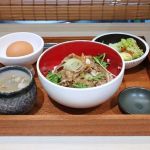 Don Japanese Restaurant Auckland: Discover Authentic Donburi Flavors
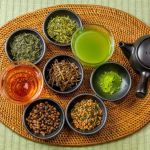 What Makes Green Tea Japanese Restaurant Stand Out Among Japanese Restaurants
 A Aki Japanese Restaurant: Where Tradition Meets Modern Japanese Dining
 Why Locals Recommend Kru Japanese Restaurant: A Hidden Gem for Authentic Japanese Cuisine
 What to Eat at a Japanese Restaurant Besides Sushi