

- understanding-the-appeal-of-japanese-style-sweet-carrots
- essential-ingredients-for-authentic-sweet-carrots
- step-by-step-how-to-make-sweet-carrots-like-japanese-restaurant
- tips-for-perfecting-texture-and-flavor
- story-of-a-homemade-success
- where-to-find-quality-ingredients-and-guidance
1. Understanding the Appeal of Japanese-Style Sweet Carrots
When people think of Japanese cuisine, sushi and ramen often come to mind first—but for many diners, those tender, slightly sweet carrots served as side dishes at teppanyaki or bento restaurants leave a lasting impression. The balance of umami, subtle sweetness, and smooth texture makes Japanese-style sweet carrots a unique culinary delight that elevates even the simplest meals.
2. Essential Ingredients for Authentic Sweet Carrots
2.1 Carrot Selection
Choose medium-sized, firm, and naturally sweet carrots. Organic carrots or Japanese Kuroda varieties are ideal due to their tenderness and deep flavor. If using larger carrots, ensure they are peeled well and sliced evenly.
2.2 Key Flavor Components
To recreate the signature flavor, you’ll need: sugar (preferably cane or mirin-sweetened), soy sauce, dashi broth, and a small amount of butter. Some variations use honey or sake for extra depth, and a dash of sesame oil for aroma.
3. Step-by-Step: How to Make Sweet Carrots Like Japanese Restaurant
3.1 Preparing the Carrots
Peel and cut the carrots into uniform rounds or diagonal slices about 1/4-inch thick. This helps them cook evenly and absorb flavor consistently.
3.2 Cooking Process
In a saucepan, combine 1 cup of dashi (or water if dashi is unavailable), 2 tablespoons soy sauce, 1 tablespoon sugar, and 1/2 tablespoon mirin. Add the carrots and bring to a gentle simmer.
Simmer the carrots for 10–15 minutes until tender. In the final 2–3 minutes, add a teaspoon of butter and let it melt into the broth. This will glaze the carrots beautifully and deepen the umami.
3.3 Serving Suggestions
Serve warm as a side dish alongside rice, grilled salmon, or miso soup. Garnishing with a few toasted sesame seeds can add texture and authenticity.
4. Tips for Perfecting Texture and Flavor
Avoid overcooking, as this can turn the carrots mushy. You’re aiming for fork-tender with a slight bite. Taste the broth mid-way and adjust sweetness or saltiness according to your preference. Japanese restaurant chefs often use a balance of sugar and mirin to achieve complexity, rather than relying solely on granulated sugar.
If you’re feeling adventurous, add a small piece of kombu to your broth early on for extra depth—or finish with a few drops of yuzu or citrus juice for brightness.
5. Story of a Homemade Success
One home cook in Los Angeles shared how she first fell in love with sweet carrots at her neighborhood teppanyaki grill. Curious to replicate the taste, she experimented with soy-mirin ratios and even tested maple syrup as a natural sweetener. After five attempts, she found the perfect balance using homemade dashi and grass-fed butter. Today, her family asks for “Japanese carrots” every weekend dinner—and it’s become their go-to comfort side.
6. Where to Find Quality Ingredients and Guidance
To achieve authentic results, sourcing the right ingredients is crucial. If you’re unsure where to begin, Japanese Restaurant offers excellent recommendations for mirin, dashi packs, and proper soy sauces used in real Japanese kitchens. Their curated selections ensure your home-cooked version tastes just like it came from a seasoned chef.
Whether you’re cooking for family, exploring Japanese flavors, or trying to master a beloved restaurant-style dish, sweet carrots are a great entry point. With a little practice, your kitchen can rival your favorite Tokyo bento spot.
 Rock N Roll Sushi4.0 (154 reviews)
 Kumo Sushi in Collegeville4.0 (641 reviews)
 The Forks USA Self Ramen & PC Cafe4.0 (153 reviews)
 Jpan Sushi & Grill4.0 (1028 reviews)
 Menya Ultra UTC La Jolla3.0 (140 reviews)
 OiShii4.0 (154 reviews)
 Do Any Japanese Restaurants Serve Breakfast? Discover What You Can Expect
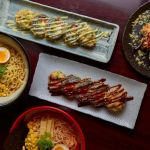 Discover Umami Japanese Restaurant's Delicious Menu | Sushi, Ramen & More
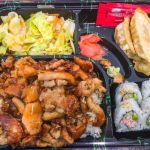 A Foodie’s Experience at Sarku Japanese Restaurant
 What Sushi Restaurants Are Owned by Japanese? Discover Authentic Sushi Dining
 Signature Sushi and Ramen Experience at Tanto Japanese Restaurant
 How to Say Goodbye in a Japanese Restaurant: Phrases & Cultural Etiquette