
- Understanding-the-Importance-of-Japanese-White-Rice
- How-to-Make-White-Rice-Like-Japanese-Restaurants
- Step-by-Step-Methods-for-Authentic-Flavor-and-Texture
- Tools-and-Techniques-Used-by-Professionals
- Common-Mistakes-to-Avoid-When-Making-Japanese-Rice
- Discover-Japanese-Rice-Culture-With-Japanese-Restaurant
1. Understanding the Importance of Japanese White Rice
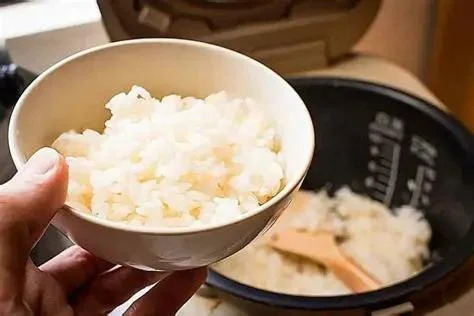
In Japanese cuisine, rice is not just a side dish—it’s the soul of the meal. A perfectly cooked bowl of white rice reflects tradition, care, and precision. Whether it's served with sushi, grilled fish, or a comforting bowl of miso soup, the rice must be fluffy, sticky, and subtly sweet. For many, the question becomes: how to make white rice like Japanese restaurants?
That simple bowl of white rice you taste at your favorite Japanese restaurant is often the result of centuries-old techniques, specific grain varieties, and attention to detail. It’s about more than just boiling grains—it’s about honoring a culinary standard rooted in culture.
2. How to Make White Rice Like Japanese Restaurants
Recreating restaurant-quality Japanese rice at home is entirely possible—but it requires more than pushing a button on your rice cooker. The secret lies in sourcing the right ingredients, following a time-tested process, and respecting the grain.
Authentic Japanese rice (typically Japonica short-grain or medium-grain rice) is known for its pearly appearance and sticky consistency. Unlike basmati or jasmine rice, it's designed to clump slightly, making it easier to eat with chopsticks and perfect for dishes like sushi or donburi.
3. Step-by-Step Methods for Authentic Flavor and Texture
Here’s how Japanese chefs consistently produce that signature fluffy texture:
3.1. Choose the Right Rice
Opt for Japanese short-grain rice such as Koshihikari, Hitomebore, or Tamanishiki. These varieties are cultivated specifically for their texture and taste, often imported from Japan or grown in California with traditional methods.
3.2. Wash with Precision
Rinsing is not just about cleaning—it’s crucial for removing excess starch. Gently rinse the rice 3–5 times, using your hands to agitate the grains until the water runs almost clear. This prevents gumminess and ensures even cooking.
3.3. Soak Before Cooking
Let the rinsed rice soak in fresh water for 30–60 minutes before cooking. This hydrates the grains, allowing them to cook evenly from the inside out—a practice followed religiously in Japanese households and professional kitchens alike.
3.4. Cook with the Right Water Ratio
The standard ratio is 1:1.1 or 1:1.2 (rice to water) for most short-grain rice in a rice cooker. For stovetop cooking, a tighter seal may require slightly more water. Precision here can dramatically affect the final outcome.
3.5. Let it Steam After Cooking
Once the rice finishes cooking, let it rest (lid closed) for 10–15 minutes. This allows moisture to redistribute evenly. Then gently fluff with a rice paddle using a slicing motion to preserve the shape of the grains.
4. Tools and Techniques Used by Professionals
Most Japanese restaurants use high-quality rice cookers—brands like Zojirushi or Tiger are staples for their precision and consistency. Some chefs also use donabe (clay pots) for stovetop rice, favoring the slightly smoky, earthy aroma it imparts.
Chefs also measure water by weight instead of volume, and often calibrate based on humidity and rice age—an attention to detail that sets professional rice apart from casual home attempts.
One Tokyo-based sushi chef once shared that his rice soaking time changes daily depending on weather. It’s this mindfulness that transforms something simple into something extraordinary.
5. Common Mistakes to Avoid When Making Japanese Rice
Even with good rice and equipment, these missteps can undermine your efforts:
- Skipping the soaking step—leads to uneven cooking and hard centers.
- Using tap water with strong minerals—can interfere with flavor and texture.
- Opening the lid mid-cook—lets steam escape and disrupts internal pressure.
- Forgetting to fluff—results in clumps and uneven moisture.
Avoiding these will bring you one step closer to restaurant-quality rice at home.
6. Discover Japanese Rice Culture With Japanese Restaurant
If you're truly passionate about Japanese cuisine, understanding rice is a gateway into its soul. With Japanese Restaurant, you can explore curated recommendations for restaurants that emphasize rice quality, from sushi bars in Tokyo to hidden gems in your own city.
Whether you're looking for the best Koshihikari in town, traditional donabe-prepared rice, or guidance on selecting the right rice for your home kitchen, Japanese Restaurant offers the most suitable choices to deepen your culinary experience. Rice may seem simple, but in Japanese cooking, it's everything—and getting it right is both an art and a joy.
 Avana sushi 3 & seafood restaurant4.0 (58 reviews)
 Sushi Ahn4.0 (191 reviews)
 Piramida Restaurant4.0 (206 reviews)
 Yoshi Sushi4.0 (199 reviews)
 Magoya4.0 (296 reviews)
 Kappo Honda 割烹本多4.0 (711 reviews)
 A Foodie’s Experience at Asaka Japanese Restaurant: A Journey of Flavor
 A Foodie’s Experience at Umami Japanese Restaurant
 How to Make a Reservation at a Restaurant in Japanese
 The History and Flavor Behind Yoshi Japanese Restaurant
 What Makes Shima Japanese Restaurant Stand Out Among Japanese Restaurants
 Why Locals Recommend Authentic Japanese Restaurants Near You