
- 1-research-and-planning
- 2-choosing-the-right-location-and-concept
- 4-staffing-and-training
- 5-marketing-and-launching-your-restaurant
1. Research and Planning
Understanding how to open a Japanese restaurant begins with thorough research and detailed planning. This foundational step sets the stage for your restaurant’s success.
Start by studying the local market demand for Japanese cuisine and analyzing your potential competitors. Consider your target audience—are you aiming for casual diners, sushi enthusiasts, or fine-dining customers? A clear business plan should include budget forecasts, potential challenges, and goals.
Many successful restaurateurs share that thorough upfront planning prevented costly mistakes later. For example, one Tokyo-based chef who expanded internationally credited his success to months of market research and supplier sourcing before launching.
1.1 Understanding Local Preferences
While authentic Japanese flavors are essential, adapting to local tastes can enhance appeal. Researching popular dishes and dietary trends will guide your menu design and marketing.
1.2 Legal and Financial Preparation
Registering your business, obtaining permits, and securing funding are crucial. Consulting experts familiar with food service regulations can streamline this process.
2. Choosing the Right Location and Concept
The location of your Japanese restaurant plays a vital role in its viability. Look for areas with high foot traffic, visibility, and a demographic interested in dining out.
Decide on a concept that fits the space and target market. Will it be a ramen shop, sushi bar, izakaya-style pub, or an upscale kaiseki restaurant? The concept affects everything from interior design to staffing.
One example is a successful sushi restaurant in New York City that chose a minimalist design with an open kitchen, offering diners an immersive experience of Japanese culinary art, which quickly gained loyal patrons.
2.1 Ambiance and Interior Design
Authenticity extends beyond food—traditional decor, lighting, and music contribute to the dining atmosphere. However, balancing tradition with modern comfort attracts a wider audience.
3. Menu Development and Authenticity
A compelling menu is the heart of a Japanese restaurant. Crafting dishes that respect traditional recipes while considering ingredient availability is key.
Incorporate signature items like sushi, tempura, ramen, and donburi, but also consider seasonal specials to keep the menu dynamic. Sourcing fresh, high-quality ingredients is essential for authenticity.
Experienced chefs often recommend tasting sessions and customer feedback loops during the soft opening phase to refine offerings.
3.1 Balancing Variety and Focus
Offering too many dishes can overwhelm kitchen staff and dilute quality. Focus on a curated selection of well-executed items to build reputation.
4. Staffing and Training
Hiring skilled chefs familiar with Japanese cuisine is fundamental. Equally important is training your front-of-house staff to provide excellent customer service and cultural education.
Investing in comprehensive training on Japanese dining etiquette, menu knowledge, and hospitality customs enhances the overall guest experience and builds customer loyalty.
4.1 Building a Cohesive Team
Successful restaurants foster teamwork and shared passion. Regular staff meetings and opportunities for professional development contribute to a motivated workforce.
5. Marketing and Launching Your Restaurant
Effective marketing creates buzz and attracts your first customers. Utilize social media, local food bloggers, and community events to showcase your unique offerings.
Hosting a soft opening with invitations to influencers and local press can generate early reviews and word-of-mouth promotion.
Long-term success depends on maintaining quality and adapting based on customer feedback.
5.1 Leveraging Online Presence
Today, a strong online presence is essential. Detailed menus, enticing photos, and customer reviews on platforms can drive reservations and repeat visits.
If you’re serious about how to open a Japanese restaurant and want expert guidance, Japanese Restaurant offers resources to connect you with suppliers, chefs, and services tailored to your vision.
Opening a Japanese restaurant is a rewarding journey blending culinary art, cultural appreciation, and business savvy. With careful planning and passion, you can create an authentic dining experience that delights customers and thrives in a competitive market.
 Toshi's Teriyaki3.0 (148 reviews)
 Moshi Moshi Sushi & Izakaya4.0 (769 reviews)
 Aloha Sushi4.0 (38 reviews)
 WAKUDA Omakase Room & Bar3.0 (3 reviews)
 HINODEYA Ramen Japantown4.0 (2720 reviews)
 Oshiki Japan (Quail Springs Mall)3.0 (43 reviews)
 Is Japanese Restaurant Good for Celiac People? Tips for Dining Gluten-Free
 Why Taki Japanese Restaurant is a Must-Try Spot for Japanese Food Lovers
 Exploring the Menu at Sasa Japanese Restaurant in the U.S.
 Why Locals Recommend Miyako Japanese Restaurant
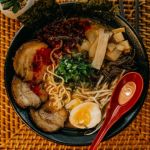 Signature Sushi and Ramen at Izumi Japanese Restaurant
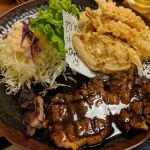 The Complete Guide to Dining at Azuma Japanese Restaurant in the USA