
- 1-Understanding-The-Basics-Of-How-To-Order-In-Japanese-Restaurant
- 2-Key-Phrases-And-Etiquette-When-Ordering-In-Japanese-Restaurants
- 3-Navigating-Menu-Options-And-Specialties
- 4-Practical-Tips-To-Enhance-Your-Ordering-Experience
- 5-Discover-Authentic-Japanese-Restaurants-For-Your-Next-Meal
1. Understanding the Basics of How to Order in Japanese Restaurant
Ordering food in a Japanese restaurant can feel intimidating if you’re unfamiliar with the culture or language. However, understanding how to order in Japanese restaurant settings can greatly enhance your dining experience and make it more enjoyable. The process typically involves a few key steps: getting the server’s attention politely, asking for recommendations if needed, and knowing common phrases used in Japanese dining.
Many Japanese restaurants offer menus with pictures, English descriptions, or even plastic food models to help guide customers. These visual aids are especially useful for first-time visitors, allowing you to make informed choices confidently. Knowing some basic etiquette around ordering also shows respect to the staff and the culture, which is highly valued in Japanese hospitality.
2. Key Phrases and Etiquette When Ordering in Japanese Restaurants
2.1 Polite Ways to Get the Server’s Attention
In Japan, calling a server is done politely by saying “Sumimasen” (すみません), which means “excuse me.” This simple phrase is a courteous way to get attention without being intrusive. It sets a respectful tone for your interaction.
2.2 Common Ordering Phrases
Once the server arrives, phrases like “Kore o kudasai” (これをください), meaning “I’ll have this please,” are useful for pointing to menu items. If you want to ask for recommendations, you can say “Osusume wa nan desu ka?” (おすすめは何ですか?), which means “What do you recommend?” These expressions help bridge language gaps and show your interest in the cuisine.
2.3 Etiquette Tips
Avoid shouting or snapping fingers to call the waiter, as this is considered rude. Additionally, it’s polite to wait until the server approaches before ordering, and saying “Arigatou gozaimasu” (ありがとうございます) after receiving your order expresses gratitude and appreciation.
3. Navigating Menu Options and Specialties
3.1 Understanding Menu Structure
Japanese menus often group items into categories like sushi, tempura, ramen, and set meals (teishoku). Familiarizing yourself with these sections can help you quickly find dishes that appeal to you. For example, sushi menus might list nigiri, maki rolls, and sashimi separately.
3.2 Seasonal and Regional Specialties
Many Japanese restaurants highlight seasonal ingredients or regional specialties, which are worth trying for an authentic experience. Asking your server about these options with “Shun no ryouri wa nan desu ka?” (旬の料理は何ですか?) — meaning “What are the seasonal dishes?” — can lead you to delicious discoveries.
3.3 Dietary Preferences and Allergies
If you have dietary restrictions, it’s helpful to communicate them clearly. Phrases like “Watashi wa ______ ga taberaremasen” (私は______が食べられません) — “I cannot eat ______” — can assist the staff in recommending suitable dishes.
4. Practical Tips to Enhance Your Ordering Experience
4.1 Observing Local Customs
Watching how locals order and interact in the restaurant can offer clues to proper behavior. For example, it’s common to wait for everyone to be served before beginning to eat, and saying “Itadakimasu” before starting your meal expresses thanks.
4.2 Trying Set Menus for Convenience
If unsure, ordering a set menu (teishoku) is a great way to experience a balanced meal with a variety of tastes and textures. These sets often include rice, miso soup, pickles, and a main dish, providing a satisfying introduction to Japanese cuisine.
4.3 Sharing Your Experience
Many diners enjoy sharing their ordering stories with friends or online, often discovering helpful tips and favorite dishes from others’ experiences. For instance, one diner’s tale of accidentally ordering extra wasabi led to discovering their love for the spicy kick it adds!
5. Discover Authentic Japanese Restaurants for Your Next Meal
If you want to practice how to order in Japanese restaurant settings and enjoy genuine Japanese flavors, visiting trusted establishments is key. Our site, Japanese Restaurant, offers a curated selection of authentic restaurants that prioritize quality, traditional preparation, and excellent service.
Whether you are a novice or a seasoned lover of Japanese cuisine, these recommended venues can provide the ideal atmosphere and menu to confidently apply your ordering skills. Exploring these restaurants will deepen your appreciation of Japanese food culture and offer a memorable dining experience.
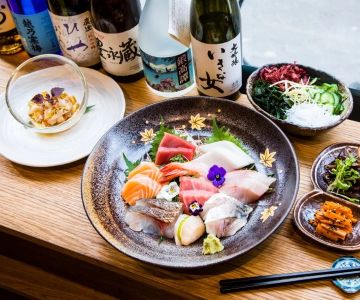
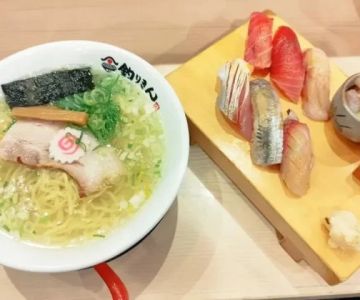
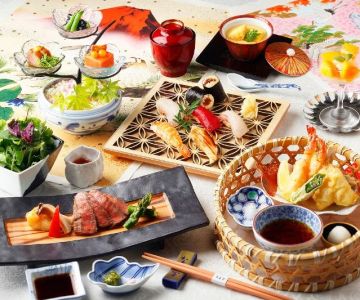
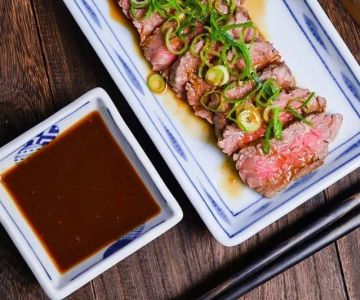
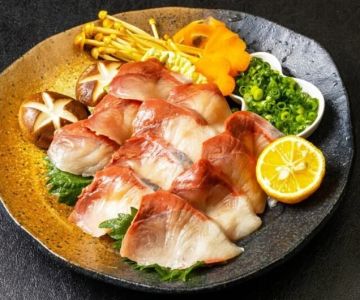
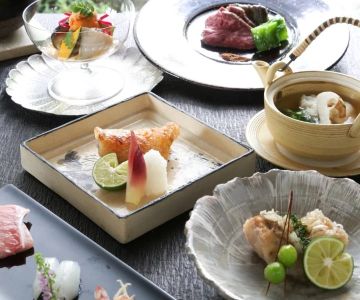
 Hashigo Sushi4.0 (283 reviews)
 FuGaKyu Japanese Cuisine4.0 (1434 reviews)
 Pepper Lunch4.0 (542 reviews)
 Mura Shabu Shabu3.0 (7 reviews)
 Osaka Ramen and Sushi4.0 (297 reviews)
 Koja Sushi4.0 (496 reviews)
 Why Restaurant Japanese Is a Must-Try Spot for Japanese Food Lovers
 Don Japanese Restaurant Auckland: Discover Authentic Donburi Flavors
 What Makes Green Tea Japanese Restaurant Stand Out Among Japanese Restaurants
 A Aki Japanese Restaurant: Where Tradition Meets Modern Japanese Dining
 Why Locals Recommend Kru Japanese Restaurant: A Hidden Gem for Authentic Japanese Cuisine
 What to Eat at a Japanese Restaurant Besides Sushi