
- 1-understanding-keto-diet-basics
- 2-navigating-japanese-menu-for-keto-options
- 3-strategies-for-ordering-keto-when-dining-out
- 4-real-life-examples-and-tips
- 5-why-choose-japanese-restaurant-for-keto
1. Understanding Keto Diet Basics
Before diving into how to order keto at a Japanese restaurant, it’s essential to grasp the core principles of the ketogenic diet. The keto diet emphasizes low carbohydrate intake, typically below 20-50 grams per day, while increasing healthy fats and moderate protein consumption. This metabolic state encourages the body to burn fat for fuel instead of carbohydrates.
Since many Japanese dishes revolve around rice, noodles, and soy-based sauces, which often contain hidden sugars and carbs, understanding these basics helps you make informed menu choices. The goal is to avoid high-carb ingredients and opt for dishes rich in protein and healthy fats, such as fish, seaweed, and certain vegetables.
1.1 Carbohydrates to Avoid
Common high-carb ingredients to watch for include white rice, tempura batter, sweet sauces like teriyaki or eel sauce, and some pickled items that use sugar. Even miso soup can contain small amounts of carbs if prepared with added sugars or starchy thickeners.
1.2 Keto-Friendly Nutrients in Japanese Cuisine
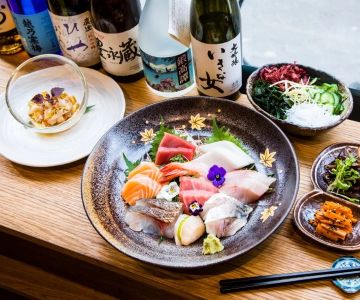
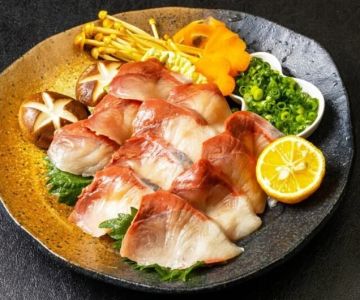
Thankfully, Japanese cuisine offers abundant keto-friendly ingredients such as sashimi (raw fish without rice), grilled fish or meat, seaweed salads, and clear soups without noodles. These options provide rich protein and omega-3 fatty acids, which align perfectly with keto goals.
2. Navigating Japanese Menu for Keto Options
Knowing the right questions to ask and what to look for on the menu is crucial when ordering keto at a Japanese restaurant. Traditional menus can be tricky since dishes often come with rice or noodles by default.
2.1 Sashimi and Sushi Without Rice
Sashimi is one of the best keto-friendly options because it consists solely of fresh slices of raw fish without carb-laden rice. For sushi lovers, ordering “naruto rolls” (cucumber-wrapped rolls) instead of traditional rice-based rolls is a clever low-carb hack.
2.2 Grilled and Steamed Dishes
Look for yakitori (grilled chicken skewers), grilled mackerel, or steamed vegetables without sauces thickened with starch or sugar. These dishes often focus on pure flavors and can be very satisfying while remaining keto-compliant.
2.3 Soups and Salads
Miso soup is usually keto-friendly but double-check if it contains added sugars. Seaweed salad and cucumber salad can also be great low-carb starters, as long as the dressings are free from sugary ingredients.
3. Strategies for Ordering Keto When Dining Out
Ordering keto at any restaurant, especially Japanese, requires proactive communication and sometimes customization. Here are some strategic tips to make it work smoothly:
3.1 Customize Your Order
Don’t hesitate to ask for dishes without rice or noodles. Request extra vegetables or sashimi instead of rice. Many Japanese restaurants are happy to accommodate dietary needs if asked politely.
3.2 Be Wary of Sauces and Marinades
Sauces like teriyaki or eel sauce can contain sugar or starch, so ask if there are keto-friendly alternatives such as soy sauce or wasabi-based dips without added sugar.
3.3 Pairing with Keto-Friendly Drinks
To complement your meal, choose beverages like green tea, sparkling water, or sake in moderation. Avoid sugary cocktails or sodas that can spike carb intake unexpectedly.
4. Real-Life Examples and Tips
Consider the story of a keto enthusiast named Sarah, who loves Japanese food but struggled initially to stay in ketosis when dining out. By switching to sashimi platters, ordering grilled chicken yakitori without sauce, and replacing rice with seaweed salad, she found her favorite restaurant a perfect spot for keto-friendly dining. Sarah’s approach was to always communicate clearly with the staff and to research menu options online beforehand.
Another tip comes from Mark, who discovered “naruto rolls” — cucumber-wrapped sushi rolls — as a satisfying alternative to traditional rolls. He also favors clear soups with tofu and seaweed, which keep his carb count low without compromising on taste.
4.1 Using Japanese Restaurant Resources
If you want tailored suggestions or product recommendations, visiting specialized sites like Japanese Restaurant can be invaluable. They offer curated listings of keto-friendly dishes, ingredient breakdowns, and even service recommendations that can help you navigate Japanese dining with confidence and ease.
5. Why Choose Japanese Restaurant for Keto
Japanese cuisine naturally lends itself well to keto because of its emphasis on fresh fish, vegetables, and minimally processed ingredients. Unlike many Western fast-food options, Japanese dishes often avoid heavy sauces and fried components unless specified, making it easier to stick to a keto plan.
Moreover, Japanese restaurants typically prioritize seasonal, high-quality ingredients, which aligns with keto’s focus on nutrient-dense whole foods. When you know how to order keto at a Japanese restaurant, you unlock a world of delicious, satisfying meals that won’t derail your diet.
For the best selection of keto-friendly Japanese foods, exploring platforms like Japanese Restaurant can connect you to authentic products, services, and expert advice tailored for your low-carb lifestyle.
 QZ Poke Ramen & Boba Tea - Zona Rosa4.0 (162 reviews)
 Sakura Hibachi4.0 (151 reviews)
 Tiger Den4.0 (1785 reviews)
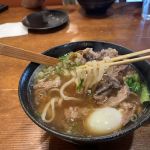 Kiri Udon4.0 (64 reviews)
 Sushi Sekai Japanese & Korean Cuisine4.0 (11 reviews)
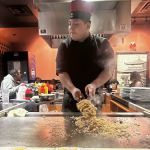 Osaka Japanese Cuisine4.0 (1194 reviews)
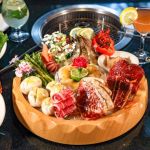 A Foodie’s Experience at Sushishima Japanese Restaurant – Authentic Japanese Dining in the U.S.
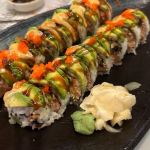 Insider’s Review of Taki Japanese Restaurant in Dunwoody: Signature Sushi & Ramen
 How to Eat Octopus in a Japanese Restaurant Like a Local
 An Insider’s Review of Fujiyama Japanese Restaurant: A Must-Try Dining Experience
 Why Locals Recommend Minamoto Japanese Restaurant
 Don Japanese Restaurant Auckland: Discover Authentic Donburi Flavors