
- cultural-context-of-greetings-in-japanese-restaurants - Cultural Context of Greetings in Japanese Restaurants
- how-to-say-hello-in-a-japanese-restaurant-setting - How to Say Hello in a Japanese Restaurant Setting
- the-difference-between-irasshaimase-and-konnichiwa - The Difference Between "Irasshaimase" and "Konnichiwa"
- greeting-etiquette-as-a-customer - Greeting Etiquette as a Customer
- real-life-experience-in-tokyo - Real-Life Experience in Tokyo
- language-tips-to-impress-your-server - Language Tips to Impress Your Server
1. Cultural Context of Greetings in Japanese Restaurants
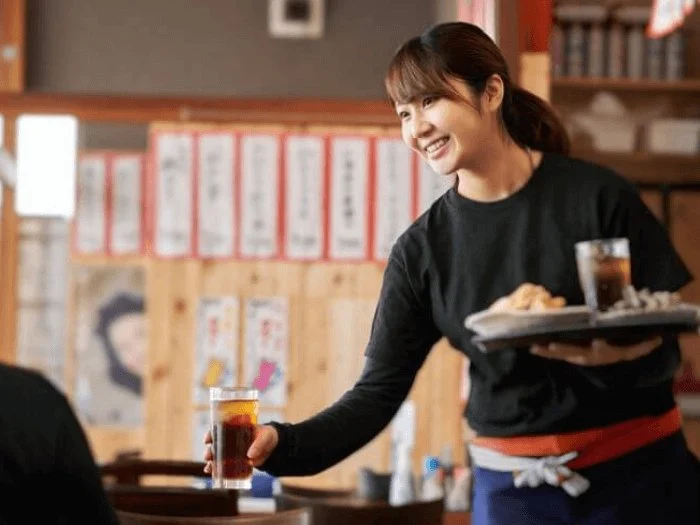
When entering a Japanese restaurant, especially one located in Japan or operated by Japanese staff, greetings carry more than just words—they express respect, hospitality, and attentiveness. In the U.S., many Japanese restaurants maintain this authentic touch by warmly greeting customers in Japanese. Understanding the nuances of saying “hello” in this context can help you feel more engaged and appreciated as a guest.
For those unfamiliar, these greetings are more than routine; they are a cultural experience. Many diners visiting their first traditional Japanese restaurant in places like Los Angeles, New York, or even Denver are caught off guard (in a good way) by a cheerful shout of “Irasshaimase!” upon entry.
2. How to Say Hello in a Japanese Restaurant Setting
2.1 The Standard: “Irasshaimase”
“Irasshaimase” (いらっしゃいませ) is the traditional greeting used by Japanese restaurant staff to welcome guests. It’s a formal and polite expression meaning “welcome” or “come in.” It's not necessarily something you say as a guest but something you’ll hear—often enthusiastically—as soon as you step through the door.
2.2 What You Can Say as a Customer
While staff greet you with “Irasshaimase,” you don’t need to respond with the same phrase. Instead, a smile, nod, or polite “Konnichiwa” (こんにちは, meaning “good afternoon”) is completely acceptable. If you want to show appreciation, a warm “Arigatou” (ありがとう, thank you) goes a long way.
3. The Difference Between “Irasshaimase” and “Konnichiwa”
3.1 Contextual Use
“Konnichiwa” is a neutral, everyday greeting that means “hello” or “good afternoon,” and it’s what you might say to a friend or a waiter who is not greeting you in a formal customer-service context. “Irasshaimase,” on the other hand, is specifically used in service environments, and mostly by staff.
3.2 Language Insight
These phrases differ not only in tone and timing but also in implied status. “Irasshaimase” expresses formality and deference, while “Konnichiwa” is casual and neutral. Understanding when and how to use each can elevate your dining experience and interaction with staff.
4. Greeting Etiquette as a Customer
4.1 Responding to “Irasshaimase”
If greeted with “Irasshaimase,” there’s no pressure to reply with Japanese. A polite nod, smile, or a soft “Hello” is perfectly fine. However, if you want to participate, saying “Konnichiwa” or “Konbanwa” (こんばんは, good evening) is culturally appreciated and sometimes warmly acknowledged with a bow or smile.
4.2 During Dining
When interacting with your server, showing appreciation in Japanese adds a lovely touch. Words like “Arigatou gozaimasu” (ありがとうございます, thank you very much) or “Oishii desu” (美味しいです, it's delicious) create friendly rapport. You don’t need to speak fluently—effort is always appreciated.
If you’re unsure, Japanese Restaurant staff are always happy to guide guests through a more immersive cultural experience. Whether you're in the mood for sushi or ramen, knowing even a little Japanese enriches your visit.
5. Real-Life Experience in Tokyo
During a visit to Tokyo, a guest from Chicago described their first meal at a family-run izakaya in Shinjuku. “I walked in and was greeted with a loud ‘Irasshaimase!’ It startled me, but everyone smiled. I replied with a nervous ‘Konnichiwa,’ and they loved it! The chef even came out to offer a small appetizer on the house.”
This moment highlights how a simple attempt to greet in the local language can turn into a warm, unforgettable cultural exchange—something many U.S. Japanese restaurants also aspire to create.
6. Language Tips to Impress Your Server
6.1 Practical Phrases to Try
- “Konnichiwa” (こんにちは) – Hello- “Konbanwa” (こんばんは) – Good evening- “Arigatou gozaimasu” (ありがとうございます) – Thank you very much- “Oishii desu” (美味しいです) – It’s delicious- “Sumimasen” (すみません) – Excuse me / Sorry
6.2 When You’re Unsure
Don’t worry if pronunciation isn’t perfect. Most Japanese restaurant staff, especially in American cities, are used to non-native speakers. Just showing the effort often results in excellent service—and sometimes even dessert on the house.
 Wako Donkatsu4.0 (556 reviews)
 Ramen Bar Kazoku4.0 (356 reviews)
 Keiken4.0 (41 reviews)
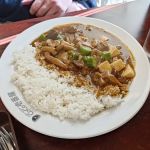 CoCo Ichibanya Curry Restaurant TORRANCE4.0 (1462 reviews)
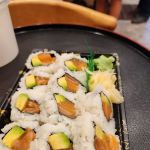 Sushi & Co4.0 (683 reviews)
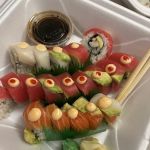 Sushi Yoru4.0 (402 reviews)
 Why Locals Recommend Orchid Japanese Restaurant for Authentic and High-Quality Dining
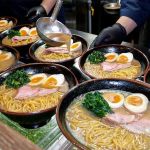 Signature Sushi and Ramen at Japanese Curry Restaurant: A Delicious Experience
 What is Hot Pot Japanese Restaurant? Discover the Unique Dining Experience
 Exploring the Menu at Sasa Japanese Restaurant: A Culinary Delight
 Exploring the Menu at Yamato Japanese Restaurant
 A Foodie’s Experience at Jinghe Japanese Restaurant: A Culinary Journey