
What is Hot Pot Japanese Restaurant? A Deep Dive into the Trend
- 1. What is Hot Pot?
- 2. The History and Cultural Significance of Hot Pot in Japan
- 3. Types of Hot Pot in Japanese Restaurants
- 4. How to Enjoy Hot Pot in a Japanese Restaurant
- 5. Popular Hot Pot Restaurants to Try
1. What is Hot Pot?
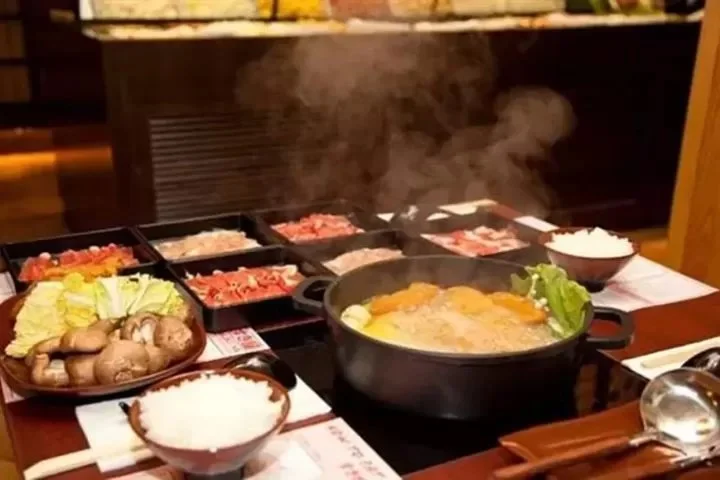
Hot pot, also known as "shabu-shabu" in Japan, is a traditional dish where various ingredients, like meat, vegetables, tofu, and noodles, are cooked in a pot of simmering broth. What makes hot pot unique is that diners can cook their own food right at the table, creating a fun, interactive dining experience. Japanese hot pot differs from other types by its lighter, often clear broth, and the fresh, high-quality ingredients used.
2. The History and Cultural Significance of Hot Pot in Japan
The origins of hot pot trace back to China, where it has been a part of their culinary tradition for centuries. However, the Japanese took the concept and made it their own. The dish became popular during the Edo period (1603-1868) when communal eating was emphasized. Japanese hot pot focuses on the idea of sharing a meal, bringing people together in a social and relaxed setting. Over time, different regional variations of hot pot developed in Japan, each offering unique flavors and styles of cooking.
3. Types of Hot Pot in Japanese Restaurants
There are several types of hot pot you can find in Japanese restaurants, each offering a different flavor and dining experience:
- Shabu-Shabu: Thinly sliced meat, often beef or pork, is swirled in a boiling pot of broth, typically accompanied by vegetables and tofu. It’s one of the most well-known hot pot styles in Japan.
- Sukiyaki: This is a sweeter hot pot, made with thinly sliced beef, tofu, and vegetables, cooked in a sweet soy sauce-based broth.
- Chanko-Nabe: Traditionally eaten by sumo wrestlers, this hot pot is rich with meat, vegetables, and sometimes rice or noodles.
- Korean-Style Hot Pot (Yukgaejang): Although Korean in origin, Japanese restaurants often serve this style of hot pot with a spicy beef broth and vegetables.
4. How to Enjoy Hot Pot in a Japanese Restaurant
Eating hot pot is an enjoyable and social experience. Here’s how to get the most out of your hot pot meal:
- Choose Your Broth: Before anything, you’ll need to select your broth. Options typically include a mild, clear broth or a more robust, soy-based broth. The type of broth will influence the overall taste of the dish.
- Prepare the Ingredients: Once your broth is simmering, start adding your ingredients. Most restaurants will provide a variety of thinly sliced meats, fresh vegetables, tofu, and noodles. Let them cook in the broth, adjusting the heat as necessary.
- Dip and Enjoy: Once the ingredients are cooked, dip them into sauces or condiments (like sesame sauce or soy sauce) before eating. The flavor is light and fresh, perfect for savoring each bite.
- Share and Socialize: Hot pot is all about communal dining. Take turns cooking and sharing the ingredients with your dining companions, making the meal a truly social experience.
5. Popular Hot Pot Restaurants to Try
If you're craving a great hot pot experience, here are some top Japanese restaurants where you can enjoy authentic hot pot:
- Shabuzen: Known for its premium cuts of meat and authentic shabu-shabu experience.
- Onyado Nono: A beautiful Japanese restaurant offering various hot pot options, from sukiyaki to chanko-nabe.
- Japanese Restaurant: For a wide variety of hot pot styles and a welcoming atmosphere, visit our website, Japanese Restaurant, where you can find the best products, services, and store recommendations to enhance your dining experience.
 Daruma4.0 (139 reviews)
 Suehiro Japanese Restaurant4.0 (787 reviews)
 Fuji at HSP4.0 (26 reviews)
 Kirala4.0 (689 reviews)
 Koji Express Japanese Grill - Memorial4.0 (1183 reviews)
 Yokohama Sushi and Hibachi4.0 (261 reviews)
 Why Locals Recommend Umi Japanese Restaurant – A Dining Experience Like No Other
 Insider’s Review of Japanese Restaurants in Chicago: Best Spots to Try
 Why Akira Japanese Restaurant Is a Must-Try Spot for Japanese Food Lovers
 Japanese Restaurants With Outdoor Seating in Bengaluru
 What Makes Takumi Japanese Restaurant Stand Out Among Japanese Restaurants
 How to Greet in a Japanese Restaurant with Confidence and Respect