
- 1-Expressing-One-Person-In-Japanese-Restaurants
- 2-Common-Phrases-Used-By-Solo-Diners
- 3-Cultural-Insights-On-Dining-Alone-In-Japan
- 4-Real-Examples-From-Japanese-Restaurant-Visits
- 5-Resources-For-Learning-Japanese-Restaurant-Language
1. Expressing One Person in Japanese Restaurants
When you want to indicate how to say one person in Japanese restaurant settings, the common phrase is 「一人です」 (pronounced hitori desu), which simply means “one person.” This phrase is often used when entering a restaurant or when the staff asks about the number of guests.
You can also say 「一名様です」 (ichimei-sama desu), a polite way of saying “one person” used in formal situations.
1.1 How to Use These Phrases
When you arrive at the restaurant and the host asks, “Nan mei sama desu ka?” (How many people?), replying with “Hitori desu” lets them know you’re dining alone and need a table or seat for one.
2. Common Phrases Used by Solo Diners
Besides stating the number of people, solo diners might need other helpful phrases such as:
「カウンター席をお願いします」 (kauntā seki o onegaishimasu) – “Counter seat, please.”
This phrase is useful because many Japanese restaurants have counter seating ideal for single guests.
2.1 Ordering Alone
When ordering, you might say 「これを一つください」 (kore o hitotsu kudasai) meaning “One of this, please,” useful for ordering a single dish.
3. Cultural Insights on Dining Alone in Japan
Dining alone is common and culturally accepted in Japan. Japanese restaurants often accommodate solo diners comfortably, with counter seats and efficient service. Using correct phrases like hitori desu helps smooth communication and shows respect.
Many Japanese restaurants appreciate when customers politely indicate their party size, which facilitates seating arrangements and enhances the dining experience.
3.1 Respect and Politeness
Adding “please” and polite endings such as “desu” or “onegaishimasu” reflects the importance of respect in Japanese service culture.
4. Real Examples from Japanese Restaurant Visits
A traveler shared that when entering a small ramen shop alone, confidently saying “Hitori desu” immediately helped the staff seat them at the counter without confusion. This simple phrase enhanced the solo dining experience, making it smooth and welcoming.
Another visitor noted that learning these phrases boosted their confidence and allowed them to explore Japanese dining more freely without language barriers.
5. Resources for Learning Japanese Restaurant Language
If you want to deepen your knowledge on how to communicate effectively in Japanese restaurants, Japanese Restaurant offers useful guides and curated language resources. These tools include common phrases, etiquette tips, and cultural insights to help you navigate dining experiences with ease.
Using these resources can transform your visits into more enjoyable and culturally immersive experiences.
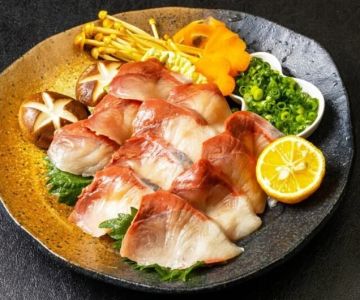
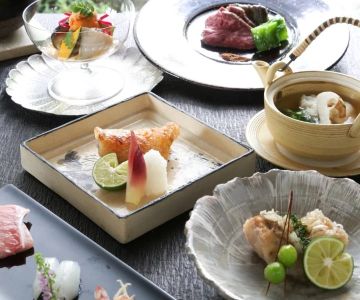
 Toshi's Teriyaki3.0 (148 reviews)
 Moshi Moshi Sushi & Izakaya4.0 (769 reviews)
 Aloha Sushi4.0 (38 reviews)
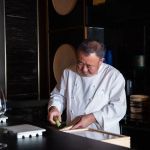 WAKUDA Omakase Room & Bar3.0 (3 reviews)
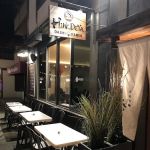 HINODEYA Ramen Japantown4.0 (2720 reviews)
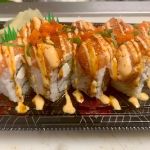 Oshiki Japan (Quail Springs Mall)3.0 (43 reviews)
 Is Japanese Restaurant Good for Celiac People? Tips for Dining Gluten-Free
 Why Taki Japanese Restaurant is a Must-Try Spot for Japanese Food Lovers
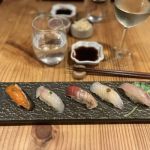 Exploring the Menu at Sasa Japanese Restaurant in the U.S.
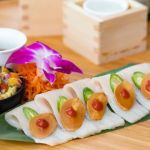 Why Locals Recommend Miyako Japanese Restaurant
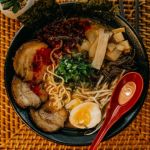 Signature Sushi and Ramen at Izumi Japanese Restaurant
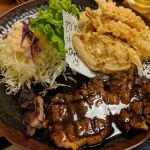 The Complete Guide to Dining at Azuma Japanese Restaurant in the USA