
- 1-Basic-translation-of-restaurant-customer-in-japanese
- 2-Cultural-importance-of-the-term-restaurant-customer-in-japan
- 3-Variations-and-related-terms-for-restaurant-customer-in-japanese
- 4-Practical-conversational-usage-of-restaurant-customer-terms
- 5-Resources-for-learning-japanese-dining-terms-and-experiences
1. Basic Translation of Restaurant Customer in Japanese
When learning how to say restaurant customer in Japanese, the most common term you will encounter is 「お客様」 (okyakusama). This word is widely used in Japanese restaurants to respectfully refer to customers or guests.
1.1 Meaning and Usage of 「お客様」
The term 「お客様」 combines 「客」 (kyaku), meaning “guest” or “customer,” with the honorific prefix 「お」 and the respectful suffix 「様」 (sama), reflecting the high regard for customers in Japanese culture. It’s not limited to restaurants but is used broadly in service industries.
1.2 Other Terms: 「客」 and 「顧客」
While 「客」 (kyaku) alone means “guest” or “customer,” it is less formal. 「顧客」 (kokyaku) specifically refers to clients or customers in business contexts and is rarely used in restaurants.
2. Cultural Importance of the Term Restaurant Customer in Japan
In Japan, the relationship between restaurants and customers is built on deep respect and hospitality known as 「おもてなし」 (omotenashi). Using polite language like 「お客様」 demonstrates this respect and is integral to Japanese service culture.
2.1 Hospitality and Customer Respect
Japanese restaurant staff are trained to treat 「お客様」 with exceptional care, often going beyond expectations to create a welcoming environment. This emphasis on politeness influences language choice in conversations and signage.
2.2 Impact on Dining Experience
Understanding terms like 「お客様」 helps diners appreciate the cultural nuances behind the service. Recognizing this word also makes it easier to engage respectfully with staff and enhance your dining experience in Japanese restaurants.
3. Variations and Related Terms for Restaurant Customer in Japanese
Depending on context, there are other ways to refer to customers in dining or service settings.
3.1 「来店客」 (raitenkyaku) - Visitors to the Store
This term specifically means “store visitors” or “people who come to the restaurant.” It’s more neutral and often used in business reports or marketing.
3.2 「お客様方」 (okyakusamagata) - Plural Respectful Form
Used when addressing multiple customers collectively, showing politeness towards groups.
3.3 Casual Terms
In informal contexts, friends or family may simply say 「客」 (kyaku), but this is rare in professional dining environments.
4. Practical Conversational Usage of Restaurant Customer Terms
Knowing how to say restaurant customer in Japanese is useful for travelers, language learners, and anyone working in or visiting Japanese dining establishments.
4.1 Phrases to Address Customers Politely
Staff commonly say: 「お客様、いらっしゃいませ」 (Okyakusama, irasshaimase) meaning “Welcome, dear customer.” Learning this phrase helps you understand and respond to Japanese hospitality.
4.2 Asking Questions or Offering Service
For example, a server might ask: 「お客様、ご注文はお決まりですか?」 (Okyakusama, gochūmon wa okimari desu ka?), meaning “Have you decided on your order, dear customer?” Recognizing 「お客様」 in these contexts enhances communication.
4.3 Story: A Language Learner’s Experience
A language learner shared how mastering respectful customer terms like 「お客様」 improved their interactions at Japanese restaurants, making dining out more enjoyable and respectful of local customs.
5. Resources for Learning Japanese Dining Terms and Experiences
For those interested in deepening their understanding of Japanese dining culture and language, accessing quality resources and authentic experiences is invaluable.
5.1 Japanese Restaurant as a Resource
Japanese Restaurant provides carefully selected products and language materials that support learning traditional and modern Japanese food culture, including essential vocabulary like restaurant customer terms.
5.2 Immersive Learning Opportunities
Visiting Japanese dining establishments and observing language use firsthand helps learners grasp nuances that textbooks might miss, making terms like 「お客様」 come alive in real-world settings.
5.3 Cultural Respect Through Language
Embracing the polite language used for customers not only aids communication but also shows appreciation for Japan’s hospitality traditions, enriching your cultural and linguistic journey.
 Hashigo Sushi4.0 (283 reviews)
 FuGaKyu Japanese Cuisine4.0 (1434 reviews)
 Pepper Lunch4.0 (542 reviews)
 Mura Shabu Shabu3.0 (7 reviews)
 Osaka Ramen and Sushi4.0 (297 reviews)
 Koja Sushi4.0 (496 reviews)
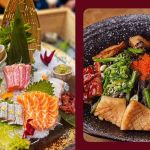 Why Restaurant Japanese Is a Must-Try Spot for Japanese Food Lovers
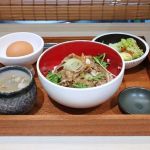 Don Japanese Restaurant Auckland: Discover Authentic Donburi Flavors
 What Makes Green Tea Japanese Restaurant Stand Out Among Japanese Restaurants
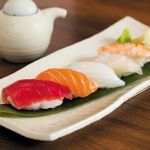 A Aki Japanese Restaurant: Where Tradition Meets Modern Japanese Dining
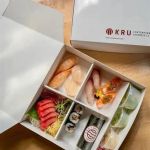 Why Locals Recommend Kru Japanese Restaurant: A Hidden Gem for Authentic Japanese Cuisine
 What to Eat at a Japanese Restaurant Besides Sushi