- how-to-say-restaurant-in-japanese-correctly - How to Say “Restaurant” in Japanese Correctly
- understanding-the-nuance-of-japanese-restaurant-words - Understanding the Nuance of Japanese Restaurant Words
- real-world-usage-and-common-phrases - Real-World Usage and Common Phrases
- story-a-foreigner-orders-in-tokyo - Story: A Foreigner Orders in Tokyo
- cultural-insight-restaurant-etiquette-in-japan - Cultural Insight: Restaurant Etiquette in Japan
- find-your-next-japanese-dining-experience - Find Your Next Japanese Dining Experience
1. How to Say “Restaurant” in Japanese Correctly
If you’re traveling to Japan or learning the language, one of the most useful words you’ll want to master is how to say restaurant in Japanese. The most common term is レストラン (resutoran), which is a direct loanword from English and used widely across Japan, especially in Western-style establishments.
However, that’s not the only word you’ll encounter. Traditional eateries or casual local spots often use other terms like 食堂 (shokudō), meaning “dining hall” or “cafeteria,” or 料理屋 (ryōriya) for a more refined or specialized dining experience. Knowing which word to use—and where—makes a huge difference.
Want to explore authentic dining spots with confidence? Japanese Restaurant helps you find venues where language and food come together beautifully.
2. Understanding the Nuance of Japanese Restaurant Words
2.1 レストラン (Resutoran) – The Western-Style Catch-All
This is the go-to word in urban Japan when referring to casual or upscale Western-style restaurants. You’ll see it on signs in areas like Ginza, Shinjuku, or even airport food courts. Think Italian, French, or modern Japanese fusion.
2.2 食堂 (Shokudō) – Local, Homely, and Comforting
Used for everyday places that serve set meals (teishoku), this term appears more in suburban towns or stations. A “shokudō” might serve grilled fish, miso soup, rice, and pickles—all for under 1,000 yen. It’s where Japanese salarymen eat lunch, and you’ll often feel like family when dining there.
2.3 居酒屋 (Izakaya) – A Restaurant Bar Hybrid
Not exactly a restaurant in the traditional Western sense, an izakaya is where locals go after work to eat and drink in a casual setting. Think of it as part pub, part eatery—with small plates, shared dishes, and lots of beer or sake.
3. Real-World Usage and Common Phrases
3.1 Asking for a Restaurant
If you're looking for a place to eat, the phrase 「近くにレストランはありますか?」(Chikaku ni resutoran wa arimasu ka?) means “Is there a restaurant nearby?” You can swap “resutoran” with “shokudō” if you’re after something more traditional.
3.2 At the Entrance
When you arrive, you might hear 「いらっしゃいませ!」(Irasshaimase!), which is the warm, customary greeting meaning “welcome.” A good response is a simple smile or a polite nod.
3.3 Ordering and Thanking
Use 「これをください」(Kore o kudasai) to say “I’ll have this” when pointing at a menu item, and never forget to say 「ごちそうさまでした」(Gochisōsama deshita) after your meal—it’s a heartfelt thank-you for the food.
4. Story: A Foreigner Orders in Tokyo
Liam, an Australian traveler in Tokyo, wanted to try sushi but walked into a small shokudō by mistake. Confused by the lack of English on the menu, he pointed at a dish and said, “Kore o kudasai.” The staff smiled, brought out grilled saba (mackerel), rice, and miso soup—and Liam ended up loving the experience. He later said, “That one phrase changed the trip for me.”
It’s proof that even a few simple words like how to say “restaurant” in Japanese can open doors—literally and culturally.
5. Cultural Insight: Restaurant Etiquette in Japan
5.1 No Tipping, But Lots of Respect
Unlike in many countries, tipping isn’t customary in Japan. Great service is included, and showing appreciation is best done through words and manners rather than cash.
5.2 Seating and Shoes
In traditional places, you may be asked to remove your shoes or sit on a tatami mat. Pay attention to what locals are doing—it’s the best guide.
5.3 Quiet, Please
Japanese restaurants tend to be quieter. Loud conversations, phone calls, or boisterous laughter may be seen as disruptive. Embracing the local vibe enhances the experience for everyone.
6. Find Your Next Japanese Dining Experience
6.1 Where Language Meets Flavor
Whether you’re wandering the alleys of Kyoto or checking out a sleek sushi bar in Osaka, knowing just one or two key words makes a big difference. When you confidently say “resutoran” or “shokudō,” you’re not just looking for food—you’re showing respect for the culture.
6.2 Let Experts Guide You
From helping you find hidden gem izakaya to explaining unfamiliar dishes, Japanese Restaurant offers guides and tools that bring the dining experience to life. With the right vocabulary and local insights, your next meal in Japan could be the best of your trip.
 I Luv Teriyaki4.0 (193 reviews)
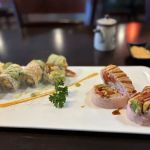 Osaki Japanese Cuisine4.0 (586 reviews)
 Bubblefish4.0 (984 reviews)
 Sushi at the Park4.0 (1617 reviews)
 Takara Japanese Restaurant4.0 (211 reviews)
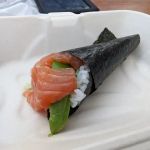 Umi Hand Roll Bar4.0 (88 reviews)
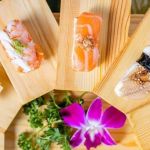 What Makes Fugakyu Japanese Restaurant Stand Out Among Japanese Restaurants
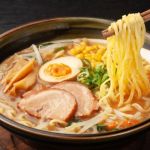 Signature Sushi and Ramen at Top Japanese Restaurants in NYC
 The History and Flavor Behind Douzo Modern Japanese Restaurant Boston
 Discover Me 2 Japanese Sizzling Restaurant in Edmonton: A Flavorful Dining Experience
 What is Hot Pot Japanese Restaurant? Discover the Unique Dining Experience
 Signature Sushi and Ramen at Authentic Japanese Restaurant