
- 1-Understanding-Japanese-Restaurant-Seating
- 2-How-to-Sit-in-Tatami-Rooms
- 3-Seating-Etiquette-in-Western-Style-Japanese-Restaurants
- 4-Cultural-Importance-of-Seating-Arrangements
- 5-Personal-Experience-and-Practical-Tips
1. Understanding Japanese Restaurant Seating
When dining out, many visitors wonder, “how to sit in Japanese restaurant?” Seating arrangements in Japanese restaurants vary depending on the style of the establishment. Traditional Japanese restaurants often feature tatami rooms, where diners sit on cushions placed on straw mats, while modern venues may have Western-style chairs and tables.
Knowing the differences helps you navigate seating comfortably and respectfully.
1.1 Tatami Rooms vs. Western-Style Seating
Tatami rooms require sitting on the floor, usually in the seiza position, whereas Western-style restaurants allow for chair seating. Some restaurants offer a mix of both to cater to different preferences.
1.2 Reserved and Assigned Seating
In formal settings, seats may be assigned based on hierarchy or guest status, reflecting Japanese social customs.
2. How to Sit in Tatami Rooms
The traditional way to sit in a Japanese restaurant with tatami flooring is the seiza position—kneeling with your legs folded underneath you and sitting on your heels. This posture shows respect and attentiveness.
However, seiza can be uncomfortable for those not used to it. It’s acceptable to sit cross-legged or slightly adjust your posture if necessary, as many Japanese people understand that foreigners may find seiza difficult.
2.1 Step-by-Step Sitting in Seiza
Begin by kneeling on the tatami, place your feet together with toes pointing backward, then gently sit down on your heels. Keep your back straight and hands resting calmly on your thighs.
2.2 Alternatives to Seiza
If you have difficulty sitting seiza, politely sit cross-legged or ask the staff if chairs are available. Most restaurants will accommodate guests’ comfort.
3. Seating Etiquette in Western-Style Japanese Restaurants
In restaurants with chairs, proper etiquette still applies. Wait for the host or server to indicate your seat and avoid sitting before invited. Place your napkin on your lap and keep good posture during the meal.
Respect personal space and avoid placing elbows on the table, as these manners are appreciated in Japanese culture.
3.1 Respecting Hierarchy in Seating
In formal gatherings, the seat farthest from the entrance is often reserved for the most honored guest, so allow others to be seated first.
3.2 Interaction with Fellow Diners
Sitting attentively and engaging politely enhances the communal dining experience, embodying the spirit of “omotenashi” — Japanese hospitality.
4. Cultural Importance of Seating Arrangements
Seating in Japanese restaurants is not random but reflects deep cultural values such as respect, harmony, and social order. Correct seating signifies honor to hosts and guests alike.
Understanding these customs elevates your dining experience and shows respect for Japanese traditions.
4.1 The Concept of Kamiza and Shimoza
“Kamiza” refers to the seat of honor, usually the most protected and comfortable spot, while “Shimoza” is the seat closest to the entrance. Hosts typically sit in the Shimoza to serve and attend to guests.
4.2 Seating and Social Dynamics
The seating arrangement can reflect relationships, status, and etiquette, so being mindful of where and how you sit matters.
5. Personal Experience and Practical Tips
A traveler shared how learning how to sit in Japanese restaurant properly helped her feel more connected during a meal at a Kyoto ryotei. Although initially unfamiliar with seiza, she was warmly guided by staff and appreciated the respectful atmosphere it fostered.
Practical advice includes arriving early to observe seating cues, asking politely when unsure, and prioritizing comfort while respecting traditions.
5.1 Embrace the Experience
Seeing seating as part of the cultural immersion makes dining more meaningful and enjoyable.
5.2 Where to Learn More
For further insights on Japanese dining etiquette and authentic restaurant experiences, visit Japanese Restaurant for curated recommendations and expert advice.
 Yujo Sushi & Asian Cuisine4.0 (639 reviews)
 Kappo En4.0 (38 reviews)
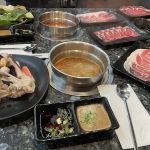 Manna Shabu4.0 (1356 reviews)
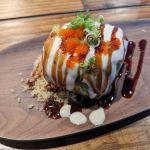 Maru Nations - West Nashville4.0 (169 reviews)
 Bimi poke4.0 (119 reviews)
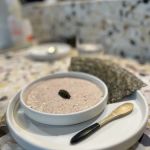 Itamae AO4.0 (337 reviews)
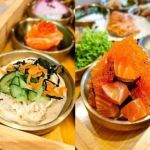 What Makes Hana Japanese Restaurant Stand Out Among Japanese Restaurants
 how to make japanese restaurant fried rice at home like a pro
 Exploring the Menu at Yamato Japanese Restaurant
 What Makes Aji Ten Japanese Restaurant Canton MI Stand Out Among Japanese Restaurants
 What Makes Midori Japanese Restaurant Stand Out Among Japanese Restaurants
 Signature Sushi and Ramen at Shiki Japanese Restaurant