
- 1-understanding-japanese-restaurant-seating
- 2-traditional-sitting-style-in-japanese-restaurants
- 3-modern-seating-options-and-etiquette
- 4-tips-and-real-experiences-for-proper-sitting
- 5-finding-authentic-japanese-dining-experiences
1. Understanding Japanese Restaurant Seating
Knowing how to sit in a Japanese restaurant is essential for anyone wanting to enjoy an authentic and respectful dining experience. Japanese seating customs are rooted in tradition and vary depending on the restaurant style. Proper seating reflects respect for the host and fellow diners and helps you blend smoothly into the cultural setting.
Seating arrangements are often more than just practical—they convey social hierarchies and cultural nuances.
1.1 Types of Seating Commonly Found
There are generally two types of seating: tatami-style where guests sit on cushions on the floor, and western-style with chairs and tables. Each requires slightly different etiquette.
2. Traditional Sitting Style in Japanese Restaurants
In traditional Japanese restaurants, especially those with tatami flooring, guests are expected to sit in the seiza position. This means kneeling with the tops of your feet flat on the floor and sitting back on your heels. While it might feel unfamiliar to many, it symbolizes respect and attentiveness.
Alternatively, some diners may sit cross-legged if seiza is uncomfortable, but it’s best to observe the host’s cues.
2.1 Etiquette Tips for Seiza Sitting
• Enter the seating area slowly and carefully to avoid stepping on the tatami mats.
• Keep your back straight and hands neatly on your lap.
• Avoid shifting too much or making loud movements.
3. Modern Seating Options and Etiquette
Many contemporary Japanese restaurants use western-style chairs and tables. Here, proper sitting aligns with general global dining manners—sit upright, keep feet on the floor, and avoid slouching.
Some restaurants offer raised platforms with recessed floor space underneath (horigotatsu), allowing diners to sit comfortably with legs stretched under the table.
3.1 Interacting with Seating Hosts
When a staff member seats you, wait to be guided to your place. Do not rush to sit before being invited, as the host’s seating arrangement may have social or practical reasons behind it.
4. Tips and Real Experiences for Proper Sitting
Jessica, a traveler who visited Kyoto, recalls feeling uncertain about how to sit during her first kaiseki meal. The restaurant staff kindly demonstrated the seiza position and encouraged her to relax. “It was a meaningful experience that connected me with the culture deeply,” she said.
Practical tips for diners include:
• Observing local guests for cues.
• Asking politely if unsure about seating style.
• Wearing comfortable clothes to ease sitting on tatami.
5. Finding Authentic Japanese Dining Experiences
For those seeking the best authentic experiences and advice on proper etiquette including how to sit in Japanese restaurant settings, Japanese Restaurant provides curated resources and recommendations. Whether you prefer traditional or modern dining styles, our platform connects you with trusted establishments and services that respect and preserve Japanese culinary culture.
Using these resources enhances your dining journey, making every meal not only delicious but culturally enriching.
 9 Thai-Sushi4.0 (408 reviews)
 Katsuyo4.0 (50 reviews)
 Sushi Heaven4.0 (617 reviews)
 Full Moon Sushi4.0 (547 reviews)
 ICHIRYU5.0 (2 reviews)
 Kokiyo Teriyaki4.0 (303 reviews)
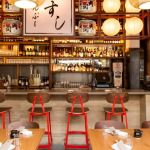 What to Eat at a Japanese Restaurant Besides Sushi: A Full Flavor Guide
 A Foodie’s Experience at Inaba Japanese Restaurant – Authentic Japanese Dining in the US
 A Foodie’s Experience at Good Japanese Restaurants in NYC
 How Do Japanese Restaurants Present Dessert – A Look into Culture and Craft
 Exploring the Menu at Sasa Japanese Restaurant in the U.S.
 What Makes Nikko Japanese Restaurant Stand Out Among Japanese Restaurants – Unveiling Its Unique Appeal