
- minimalism-and-seasonality-in-japanese-desserts
- aesthetic-philosophy-wagashi-and-beyond
- fusion-style-desserts-in-modern-restaurants
- popular-desserts-and-how-they-are-presented
- real-dining-experiences-in-japan
- how-to-enjoy-japanese-dessert-culture
1. The Role of Minimalism and Seasonality in Dessert Presentation
When asking "how do Japanese restaurants present dessert," the answer begins with simplicity. In Japanese culinary philosophy, desserts are not afterthoughts but refined expressions of nature, harmony, and timing. Presentation is often minimalist — emphasizing seasonal ingredients, delicate balance, and clean aesthetics.
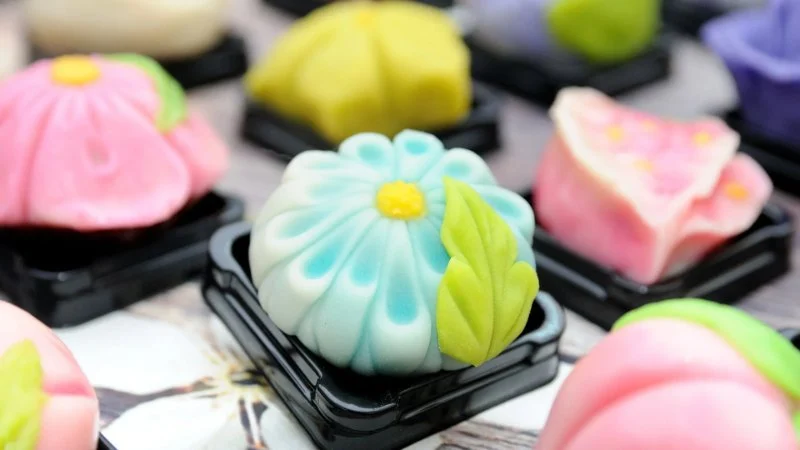
Take sakura mochi in spring, for example. Served on a single ceramic plate with a cherry blossom leaf still clinging to its pink exterior, it visually evokes the fleeting beauty of the season. You’ll rarely find clutter or excess garnish — just intentional beauty.
At Japanese Restaurant, chefs carefully curate dessert menus to reflect this balance. Simplicity isn’t a limitation; it’s the point.
2. The Aesthetic Philosophy of Wagashi and Beyond
2.1. Wagashi as Art
Traditional Japanese desserts, known as wagashi, are the epitome of edible art. These confections, often made with mochi, anko (red bean paste), and kanten (agar), are served on black lacquer trays or handmade ceramic plates. Each wagashi represents a season, a poem, or a historical motif — and their appearance matters as much as their taste.
2.2. Pairing with Tea
In many fine restaurants and tea houses, wagashi is paired with matcha, not as a palate cleanser but as part of an integrated culinary story. Presentation includes bamboo picks, seasonal flowers, and sometimes a folded origami or brush-written note.
If you're looking to experience this for yourself, Japanese Restaurant offers a curated wagashi set that mirrors Kyoto-style presentation — refined, poetic, and rooted in tradition.
3. Fusion-Style Desserts in Contemporary Japanese Restaurants
3.1. East Meets West, Elegantly
Modern Japanese restaurants, especially in Tokyo or cosmopolitan cities like Osaka and Yokohama, embrace fusion with flair. Matcha tiramisu, black sesame cheesecake, and yuzu panna cotta are common on menus — but always with restrained design.
3.2. Plating with Intent
These dishes might be presented on slate, with powdered sugar arranged like zen gardens or sauces painted like ink on washi paper. Even Western-style desserts are adapted to reflect Japanese aesthetics: smaller portions, controlled sweetness, and visual harmony.
One Tokyo pastry chef went viral for creating “floating” jelly cubes shaped like raindrops — served on glass plates over dry ice, imitating misty mornings on Mount Fuji. This isn’t just dessert; it’s sensory poetry.
4. Popular Desserts and How They Are Presented
4.1. Matcha Ice Cream
Served in small lacquer bowls or rustic ceramic cups, matcha ice cream is often garnished with roasted soy powder (kinako), sweetened red beans, or even crispy rice puffs. Simplicity and contrast — warm vs. cold, bitter vs. sweet — drive the presentation.
4.2. Daifuku and Mochi Varieties
Mochi-based desserts are typically served singularly, centered on square plates, occasionally accompanied by a tiny seasonal leaf or edible flower. The tactile experience — soft, chewy, sometimes cold — complements the clean visual setup.
4.3. Anmitsu
This jelly-and-fruit dessert is layered in glass dishes, highlighting its colorful cubes and fruits. A side pitcher of black sugar syrup allows diners to pour at their pace, engaging them in the dessert experience.
5. Real Stories from Japanese Dessert Lovers
Kana, a food vlogger from Nagoya, shared how a small kaiseki restaurant surprised her with a single lychee served in crushed ice, alongside a haiku handwritten on washi paper. “It wasn’t just food — it was a moment frozen in time,” she wrote.
In another case, an izakaya in Sapporo offered house-made warabi mochi on a chilled granite slab. The server explained its texture mimics melting snow, offering comfort after a spicy meal. Moments like these define why Japanese dessert presentation is a world of its own.
6. How to Experience Japanese Dessert Culture Yourself
Whether you're planning a trip or simply exploring flavors at home, understanding how Japanese restaurants present dessert opens a new layer of appreciation. It’s not about sugar rushes — it’s about subtle storytelling, clean design, and seasonal connection.
For authentic wagashi boxes, minimalist tableware, and chef-curated dessert kits, Japanese Restaurant offers collections that allow you to bring these traditions into your own dining room.
 Chef Soon Contemporary Sushi & Bar4.0 (801 reviews)
 Yama Sushi3.0 (180 reviews)
 Wasabi Kaizen5.0 (17 reviews)
 Nishi Poke & Ramen Bistro4.0 (136 reviews)
 Sushi Kingdom4.0 (469 reviews)
 Chubby Cattle Shabu | Wagyu AYCE4.0 (1604 reviews)
 What to Do in a Japanese Restaurant: Dining Etiquette, Menu Tips, and Cultural Insights
 Why Locals Recommend Shiki Japanese Restaurant
 Why Locals Recommend Domo Japanese Restaurant: A Hidden Gem in the Neighborhood
 Exploring the Menu at Miyabi Japanese Restaurant
 Signature Sushi and Ramen at Jinghe Japanese Restaurant – A Culinary Journey of Authentic Flavors
 Is Japanese Restaurant Good for Celiac People? Tips for Dining Gluten-Free