
- 1 - defining-your-japanese-restaurant-concept
- 2 - building-a-business-plan-and-budget
- 3 - legal-steps-and-location-strategies
- 4 - designing-an-authentic-menu-and-atmosphere
- 5 - hiring-and-training-your-team
- 6 - promoting-your-japanese-restaurant-effectively
- 7 - leveraging-resources-on-japanese-restaurant
1. Defining Your Japanese Restaurant Concept
Before diving into logistics, start by defining your restaurant’s unique identity. Will you serve traditional Kaiseki, modern fusion, ramen, or fast-casual sushi? Your concept must reflect a clear vision that ties together cuisine, decor, and service style. A strong concept gives your brand direction and aligns customer expectations. For example, a Tokyo-style izakaya needs an entirely different atmosphere and menu than a serene tea-focused kaiseki restaurant. The more specific and authentic your concept, the better foundation you’ll have for building a loyal customer base.
2. Building a Business Plan and Budget
A comprehensive business plan is critical when considering how to start a Japanese restaurant. It should detail your vision, target demographics, competitors, startup costs, projected earnings, and growth strategies. Japanese restaurants often require specialized kitchen equipment (such as rice cookers, sushi prep counters, and sashimi-grade refrigeration), which should be factored into your budget. Be sure to also allocate funds for initial staffing, marketing, licenses, and at least 6–12 months of operating costs. Investors and banks will want to see a solid financial plan before backing your vision.
3. Legal Steps and Location Strategies
Registering your business legally is a vital step. This includes securing your business license, food handling permits, liability insurance, and potentially a liquor license if you plan to serve sake. Location is just as crucial—look for areas with good foot traffic and a clientele aligned with your target market. For instance, business districts may support lunch-focused bento shops, while college neighborhoods might lean toward casual ramen eateries. Proximity to Asian grocery suppliers can also be a logistical advantage.
4. Designing an Authentic Menu and Atmosphere
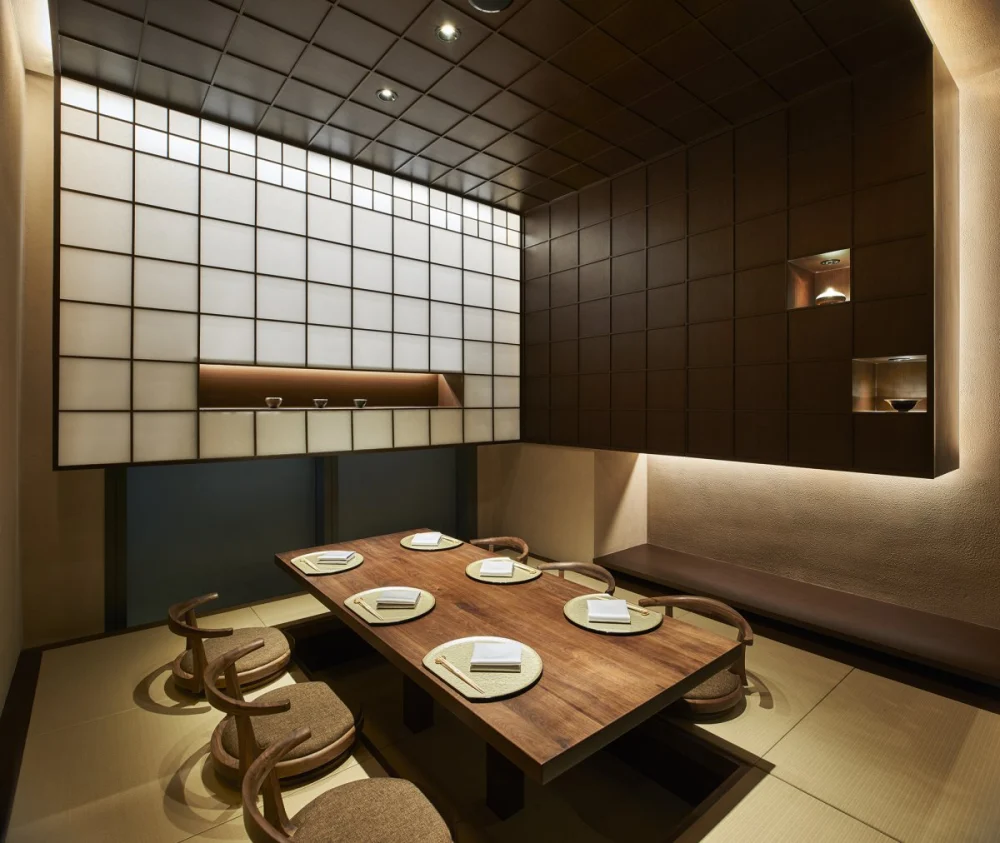
Your menu should balance authenticity with approachability. Include staple items like miso soup, tempura, sashimi, and tonkatsu, but don’t overwhelm new customers with obscure terms. Menu clarity and cultural storytelling can enhance the dining experience. Pair that with thoughtful interior design—bamboo finishes, noren curtains, calligraphy signage—and you’ll create a cohesive ambiance. Many successful Japanese restaurants also feature seasonal specials or regional dishes, adding freshness and cultural depth. Authenticity builds trust, especially when the food reflects attention to tradition.
5. Hiring and Training Your Team
A great Japanese restaurant is built on disciplined kitchen operations and exceptional hospitality. Hire cooks familiar with Japanese culinary techniques or provide training by experienced chefs. Front-of-house staff should also be trained in etiquette—bowing, greeting guests with "Irasshaimase!" and maintaining polite service standards. Japanese dining emphasizes harmony and subtlety, so your team should embody those principles. Staff uniforms, clean presentation, and attention to detail elevate the experience and differentiate your restaurant from less polished competitors.
6. Promoting Your Japanese Restaurant Effectively
Once the foundation is ready, promotion becomes the key to visibility. Use social media to share visuals of your dishes and decor. Collaborate with local food bloggers and encourage online reviews. Grand opening events with tasting menus, live sushi demos, or sake pairings can generate buzz. Make sure your Google listing and online reservation system are optimized. Sharing your origin story, chef’s background, or ingredient sourcing methods creates connection and trust among potential customers.
7. Leveraging Resources on Japanese Restaurant
If you're unsure how to source décor, ingredients, or even ideas for your menu or name, explore listings and inspiration through Japanese Restaurant. There, you’ll find guidance from existing establishments, suppliers, and branding resources tailored for authentic Japanese food ventures. Whether you’re looking for a specialized wasabi grater or want to analyze top-performing names, Japanese Restaurant offers a starting point to shape your own unique and successful launch.
 Sapporo Japanese Steakhouse & Revolving Sushi4.0 (1147 reviews)
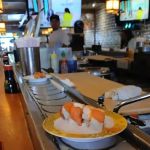 Sushi Sumo4.0 (966 reviews)
 Mushi Japanese Food and More5.0 (8 reviews)
 Shoto Japanese Steakhouse & Seafood4.0 (883 reviews)
 Osaka Grill Japanese Cuisine5.0 (7 reviews)
 Miyako's Teriyaki & Wok4.0 (266 reviews)
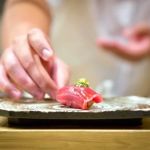 Exploring the Menu at Good Japanese Restaurants in NYC: Top Dishes to Try
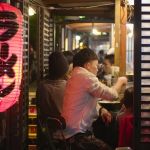 How to Say “Where is the Restaurant” in Japanese and Use It Right
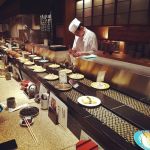 The History and Flavor Behind Akasaka Sushi Korean Japanese Restaurant | Japanese Restaurant
 Explore the Menu at Fugakyu Japanese Restaurant for Craft Drinks & More
 Can You Eat Low Carb at a Japanese Restaurant? Smart Choices to Stay on Track
 The Complete Guide to Dining at Ami Japanese Restaurant: A Unique Experience