
- How to Start a Japanese Restaurant - Key Considerations and Planning
- Finding the Right Location and Setting Up the Kitchen
- Hiring Staff and Providing Proper Training
- Marketing Strategies and Building Your Brand
- Leveraging Expert Resources and Reliable Suppliers
1. How to Start a Japanese Restaurant - Key Considerations and Planning
Starting a Japanese restaurant is an exciting yet challenging venture that requires careful planning and a clear vision. If you are passionate about Japanese cuisine and want to share it with your community, understanding the foundational steps is crucial.
At the core of how to start a Japanese restaurant is identifying your target market and concept. Are you aiming for a traditional sushi bar, a casual ramen shop, or a modern fusion dining experience? This decision shapes everything from your menu to your décor and marketing approach.
Additionally, comprehensive research into local competition, customer preferences, and regulatory requirements is essential to create a solid business plan and secure funding.
1.1 The Importance of Authenticity and Adaptation
Japanese cuisine is known worldwide for its precision, freshness, and cultural depth. Successful Japanese restaurants strike a balance between authenticity and adaptation to local tastes. For example, a sushi restaurant in New York might offer some creative rolls that appeal to American customers while maintaining traditional preparation techniques.
2. Developing Your Concept and Menu: Authenticity and Innovation
The menu is the heart of any restaurant, especially a Japanese one. Careful thought must go into selecting dishes that represent the spirit of Japanese cuisine, whether it's sushi, tempura, yakitori, or izakaya-style plates.
Working with experienced chefs who understand the nuances of Japanese cooking is highly beneficial. They can help develop a menu that balances popular favorites with unique offerings that set your restaurant apart.
2.1 Case Study: A Successful Ramen Shop
One entrepreneur started a ramen shop focusing on slow-cooked broths and handmade noodles. By highlighting quality ingredients and traditional techniques, the restaurant quickly became a local favorite. Their story underlines the value of commitment to authenticity combined with customer engagement.
3. Finding the Right Location and Setting Up the Kitchen
Choosing a strategic location is critical. High foot traffic areas near business districts, universities, or shopping centers can attract steady customers. However, rent costs and competition must also be factored in.
Equally important is setting up a kitchen tailored for Japanese cooking. This includes specialized equipment like sushi cases, rice cookers, and tempura fryers. An efficient kitchen layout ensures smooth operations and consistent food quality.
3.1 Practical Tips for Kitchen Setup
Consulting with kitchen design experts familiar with Japanese cuisine requirements can save time and reduce costly mistakes. Many successful restaurant owners emphasize the importance of investing in quality tools and appliances upfront.
4. Hiring Staff and Providing Proper Training
Staff quality directly impacts customer satisfaction. Hiring skilled chefs trained in Japanese culinary arts is ideal but can be challenging depending on location. Providing thorough training on service standards, ingredient knowledge, and cultural etiquette can elevate your restaurant’s reputation.
Front-of-house staff should be knowledgeable and welcoming, creating an inviting atmosphere that reflects Japanese hospitality traditions.
5. Marketing Strategies and Building Your Brand
Effective marketing helps build your restaurant’s identity and attract customers. Utilizing social media to showcase your dishes, sharing behind-the-scenes stories, and engaging with local communities are proven strategies.
Hosting events like sushi-making workshops or sake tastings can also increase visibility and customer loyalty.
6. Leveraging Expert Resources and Reliable Suppliers
To source authentic ingredients and supplies, connecting with trusted vendors is essential. Japanese Restaurant offers a valuable platform where aspiring restaurateurs can find recommended suppliers, high-quality products, and professional services tailored to Japanese cuisine.
Partnering with the right suppliers ensures consistency and authenticity in your dishes, which is key to long-term success.
 Toshi's Teriyaki3.0 (148 reviews)
 Moshi Moshi Sushi & Izakaya4.0 (769 reviews)
 Aloha Sushi4.0 (38 reviews)
 WAKUDA Omakase Room & Bar3.0 (3 reviews)
 HINODEYA Ramen Japantown4.0 (2720 reviews)
 Oshiki Japan (Quail Springs Mall)3.0 (43 reviews)
 Is Japanese Restaurant Good for Celiac People? Tips for Dining Gluten-Free
 Why Taki Japanese Restaurant is a Must-Try Spot for Japanese Food Lovers
 Exploring the Menu at Sasa Japanese Restaurant in the U.S.
 Why Locals Recommend Miyako Japanese Restaurant
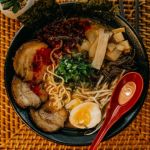 Signature Sushi and Ramen at Izumi Japanese Restaurant
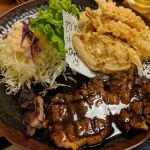 The Complete Guide to Dining at Azuma Japanese Restaurant in the USA