
- 1-Market-Research-and-Location-Selection
- 2-Developing-an-Authentic-Menu-and-Concept
- 3-Licensing-Permits-and-Legal-Requirements
- 4-Staffing-and-Training-for-Quality-Service
- 5-Marketing-Strategies-to-Attract-Customers
- 6-Leveraging-Japanese-Restaurant-Resources
1. Market Research and Location Selection
Starting with thorough market research is crucial when you want to learn how to start a Japanese restaurant in California. California’s diverse population and strong interest in Japanese cuisine provide excellent opportunities, but competition can be intense in major cities like Los Angeles and San Francisco.
Choosing the right location involves analyzing foot traffic, proximity to Japanese cultural hubs, and the presence of complementary businesses such as sushi markets or Asian grocery stores. For example, the Little Tokyo area in Los Angeles offers a prime location for authentic Japanese dining but comes with higher rents and competition.
One restaurateur shared how locating near a popular transit station helped drive consistent customer flow early in their business. This kind of insight highlights the importance of location beyond just demographics.
1.1 Understanding Your Target Audience
Knowing whether your target customers are locals, tourists, or Japanese food enthusiasts shapes your menu, pricing, and atmosphere. Casual diners may prefer affordable ramen or sushi rolls, while foodies might seek high-end omakase experiences.
1.2 Competitor Analysis
Visit other Japanese restaurants in your chosen area to understand what works and identify gaps in service or cuisine that your restaurant could fill.
2. Developing an Authentic Menu and Concept
The core of a successful Japanese restaurant is its menu and dining concept. Deciding whether to focus on sushi, ramen, izakaya-style dishes, or fusion cuisine affects your sourcing, kitchen setup, and marketing.
Authenticity resonates strongly with customers seeking genuine Japanese flavors, so working with experienced chefs and sourcing high-quality ingredients is essential. For instance, importing fresh seafood or locally sourcing sustainable fish can enhance your restaurant’s reputation.
A popular California Japanese restaurant once made a name for itself by blending traditional sushi with Californian ingredients, creating unique dishes that attracted both locals and tourists.
2.1 Seasonal and Regional Menu Items
Incorporating seasonal Japanese specialties like uni in summer or nabe hot pots in winter can provide variety and align your restaurant with traditional dining patterns.
2.2 Designing the Dining Experience
The ambiance, from interior decor to music, should complement your concept. Whether you choose a minimalist sushi bar or a lively izakaya, atmosphere contributes greatly to customer satisfaction.
3. Licensing, Permits, and Legal Requirements
Operating a Japanese restaurant in California requires obtaining the proper business licenses, health permits, and liquor licenses if applicable. Navigating state and local regulations can be complex but is vital to avoid costly fines or closures.
For example, food safety inspections focus heavily on seafood handling, so training your kitchen staff accordingly is critical. Working with a legal consultant familiar with California’s restaurant industry can streamline the process.
One case involved a startup that delayed opening due to incomplete permit applications, emphasizing the importance of early preparation.
3.1 Health and Safety Compliance
Ensuring compliance with California’s strict health codes protects your customers and reputation. This includes kitchen sanitation, allergen disclosures, and employee hygiene.
3.2 Alcohol Service Regulations
If your Japanese restaurant plans to serve sake or cocktails, obtaining the correct liquor license and training staff on responsible service is necessary.
4. Staffing and Training for Quality Service
Hiring skilled chefs familiar with Japanese cuisine is a cornerstone of authenticity. Alongside chefs, front-of-house staff should be trained in Japanese hospitality customs to create an inviting atmosphere.
Investing in continuous training helps your team deliver consistent quality. One successful restaurateur attributes their loyal customer base to staff who understand the importance of “omotenashi,” the spirit of Japanese hospitality.
4.1 Building a Cohesive Team
Creating a supportive work environment improves employee retention and enhances service quality. Team-building activities and cultural workshops can foster deeper understanding and motivation.
4.2 Language and Communication
While not mandatory, having bilingual staff fluent in Japanese and English can enhance communication with diverse clientele and suppliers.
5. Marketing Strategies to Attract Customers
Effective marketing combines online presence with local engagement. Social media platforms showcasing your dishes and behind-the-scenes stories can attract food lovers and build brand awareness.
Collaborations with local influencers or food bloggers have proven successful for many new Japanese restaurants in California. Hosting events like sushi-making classes or sake tastings can also draw customers and foster community.
For example, a Japanese restaurant in San Diego grew its reputation rapidly by featuring guest chefs and seasonal menus promoted through vibrant Instagram campaigns.
5.1 Building an Informative Website
Having a professional website where customers can view menus, make reservations, and learn about your restaurant’s story is essential. For comprehensive support and recommendations on building your restaurant’s digital presence, visiting Japanese Restaurant can provide valuable resources.
5.2 Encouraging Customer Reviews
Positive reviews on platforms like Yelp and Google can significantly impact your restaurant’s visibility and credibility.
6. Leveraging Japanese Restaurant Resources
Starting a Japanese restaurant in California is easier with access to the right suppliers, training programs, and industry insights. Using specialized resources can help you source authentic ingredients, find experienced staff, and stay updated on culinary trends.
The website Japanese Restaurant offers curated lists of vendors, professional networks, and service providers tailored specifically for Japanese dining businesses. Utilizing such platforms saves time and connects you with trusted partners.
Many successful restaurateurs credit these resources for helping them navigate challenges and elevate their restaurants from the ground up.
6.1 Supplier Networks
Establishing relationships with reliable seafood and specialty product suppliers ensures freshness and authenticity, critical for maintaining high standards.
6.2 Industry Workshops and Seminars
Participating in culinary workshops or business seminars related to Japanese cuisine provides valuable knowledge and networking opportunities.
 Toshi's Teriyaki3.0 (148 reviews)
 Moshi Moshi Sushi & Izakaya4.0 (769 reviews)
 Aloha Sushi4.0 (38 reviews)
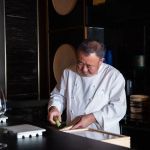 WAKUDA Omakase Room & Bar3.0 (3 reviews)
 HINODEYA Ramen Japantown4.0 (2720 reviews)
 Oshiki Japan (Quail Springs Mall)3.0 (43 reviews)
 Is Japanese Restaurant Good for Celiac People? Tips for Dining Gluten-Free
 Why Taki Japanese Restaurant is a Must-Try Spot for Japanese Food Lovers
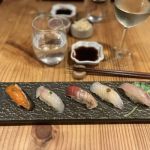 Exploring the Menu at Sasa Japanese Restaurant in the U.S.
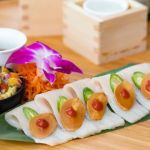 Why Locals Recommend Miyako Japanese Restaurant
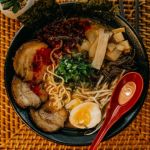 Signature Sushi and Ramen at Izumi Japanese Restaurant
 The Complete Guide to Dining at Azuma Japanese Restaurant in the USA