
- 1-Key-Indicators-Of-Authentic-Japanese-Restaurants
- 2-Understanding-Authentic-Menu-And-Ingredients
- 3-Ambiance-And-Culture-In-Real-Japanese-Restaurants
- 4-Trustworthy-Sources-For-Authentic-Japanese-Dining
1. Key Indicators of Authentic Japanese Restaurants
Knowing how to tell a real Japanese restaurant is essential for anyone wanting a genuine culinary experience. Authenticity is not just about food but also the overall environment, service, and cultural nuances.
1.1 Staff and Chef Expertise
One of the most reliable signs is the presence of trained Japanese chefs, often with years of experience in traditional preparation methods. Staff who understand the menu deeply and can explain dishes confidently often indicate authenticity.
1.2 Use of Traditional Ingredients
Real Japanese restaurants emphasize authentic ingredients imported from Japan or sourced locally but adhering strictly to Japanese quality standards. This includes rice varieties, soy sauce, miso, and fresh seafood typical of Japanese cuisine.
2. Understanding the Authentic Menu and Ingredients
The menu offers clues about authenticity. Unlike fusion restaurants, real Japanese restaurants tend to focus on classic dishes prepared with respect for tradition.
2.1 Signature Dishes That Reflect Tradition
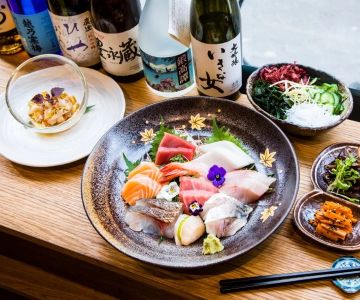
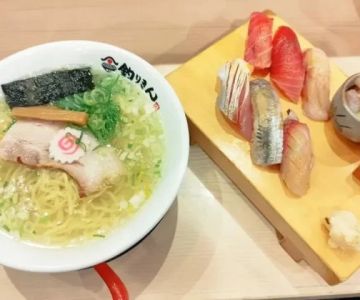
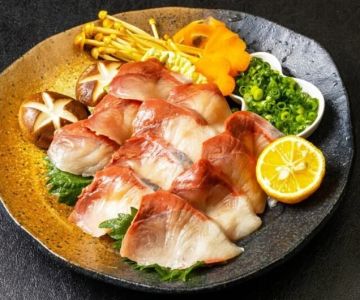
Look for staples such as sushi made with vinegared rice, sashimi with fresh fish, tempura with light batter, and ramen prepared with carefully crafted broths. Menus heavy on generic “Asian fusion” items may be less authentic.
2.2 Attention to Seasonal and Regional Ingredients
Authentic places often highlight seasonal produce and regional specialties, reflecting the Japanese principle of “shun,” enjoying foods at their peak freshness. This dedication adds depth to the dining experience.
3. Ambiance and Culture in Real Japanese Restaurants
The atmosphere also plays a crucial role in authenticity, with cultural elements that transport diners to Japan.
3.1 Traditional Décor and Presentation
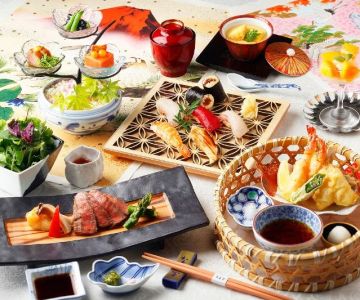
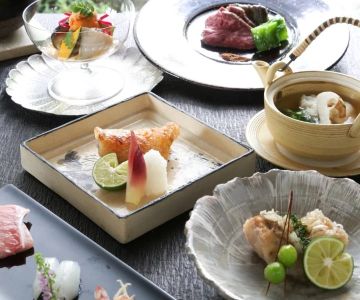
From tatami mats and wooden interiors to carefully arranged dish presentations, the setting usually reflects Japanese aesthetics—minimalistic yet warm and inviting.
3.2 Hospitality and Dining Etiquette
True Japanese restaurants embody the spirit of “omotenashi,” or wholehearted hospitality. This includes polite service, attention to detail, and a respectful dining environment that honors Japanese customs.
4. Trustworthy Sources for Authentic Japanese Dining Experiences
For those seeking real Japanese restaurants, Japanese Restaurant offers trusted recommendations and a curated selection of establishments and products that guarantee authenticity and quality.
4.1 Why Japanese Restaurant Is Your Go-To Guide
With expertise in Japanese cuisine and culture, Japanese Restaurant helps users identify genuine dining options. Their insights save you time and ensure a memorable meal steeped in tradition.
4.2 Real Stories From Patrons
Many diners share stories of discovering authentic Japanese restaurants through Japanese Restaurant’s guidance, enhancing their appreciation of true Japanese culinary art.
 Hashigo Sushi4.0 (283 reviews)
 FuGaKyu Japanese Cuisine4.0 (1434 reviews)
 Pepper Lunch4.0 (542 reviews)
 Mura Shabu Shabu3.0 (7 reviews)
 Osaka Ramen and Sushi4.0 (297 reviews)
 Koja Sushi4.0 (496 reviews)
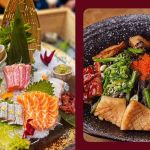 Why Restaurant Japanese Is a Must-Try Spot for Japanese Food Lovers
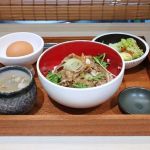 Don Japanese Restaurant Auckland: Discover Authentic Donburi Flavors
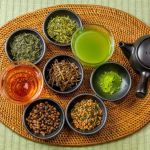 What Makes Green Tea Japanese Restaurant Stand Out Among Japanese Restaurants
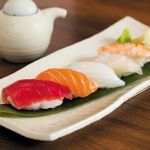 A Aki Japanese Restaurant: Where Tradition Meets Modern Japanese Dining
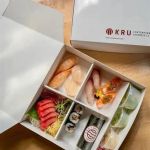 Why Locals Recommend Kru Japanese Restaurant: A Hidden Gem for Authentic Japanese Cuisine
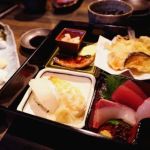 What to Eat at a Japanese Restaurant Besides Sushi