
- what-makes-a-japanese-restaurant-a-hibachi-grill
- difference-between-hibachi-and-other-japanese-dining-styles
- the-evolution-of-hibachi-in-the-west
- real-customer-experiences-at-hibachi-style-restaurants
- how-japanese-restaurant-can-guide-you-to-authentic-hibachi-experiences
1. What Makes a Japanese Restaurant a Hibachi Grill?
The term “Hibachi” often sparks curiosity and even confusion. So, is a Japanese restaurant a hibachi grill by default? The answer is: not always.
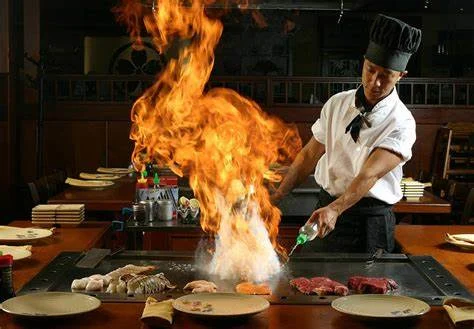
“Hibachi” originally refers to a traditional Japanese heating device — a small, charcoal-heated brazier — not a cooking method. However, in Western culture, especially in North America, "hibachi" has come to mean something quite different: a theatrical cooking experience on a flat iron grill, where chefs cook right in front of guests.
So, while not every Japanese restaurant is a hibachi grill, many specialize in this unique style. When people ask, “Is Japanese restaurant hibachi grill?”, what they’re usually referring to is the teppanyaki-style performance cooking, which has been rebranded under the term “hibachi” in Western countries.
2. Difference Between Hibachi and Other Japanese Dining Styles
2.1 Teppanyaki vs Hibachi
The biggest misunderstanding stems from the overlap between teppanyaki and hibachi. In Japan, teppanyaki refers to food grilled on a solid iron plate (teppan), while hibachi refers to a container for holding hot charcoal. In the West, the names are often used interchangeably, but technically, most “hibachi grills” in American Japanese restaurants are teppanyaki grills.
2.2 Sushi bars and izakayas
Unlike hibachi-style dining, sushi restaurants focus on raw fish and rice preparations, while izakayas offer a pub-like setting with small plates and drinks. These are vastly different experiences, and they don’t typically feature the live cooking aspect associated with hibachi.
2.3 Kaiseki and fine dining
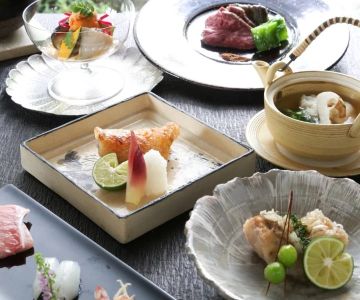
In contrast to the lively performance of hibachi, kaiseki dining is a traditional multi-course meal served with precision and seasonal artistry. It emphasizes subtlety and refinement, not grill-side theatrics.
3. The Evolution of Hibachi in the West
What many now call a “hibachi restaurant” in the U.S. began gaining popularity in the 1960s, with chains like Benihana leading the charge. Chefs juggling utensils, flipping shrimp into their hats, or setting onion volcanoes ablaze became the visual symbols of this dining experience. While these spectacles are rare in Japan, they’re beloved in the U.S. for their entertainment value.
3.1 Marketing and cultural adaptation
The word “hibachi” was more marketable than “teppanyaki” to Western audiences. Over time, it became the go-to label. Now, when customers ask “is Japanese restaurant hibachi grill,” they’re likely referring to the American-style teppanyaki performance experience.
3.2 Culinary adaptation
These restaurants often adapt flavors to suit local tastes. Garlic butter, soy-glazed vegetables, and teriyaki meats are staples in Western hibachi cuisine, even if they’re rarely found in traditional Japanese dishes.
4. Real Customer Experiences at Hibachi-Style Restaurants
I remember dining at a hibachi grill with friends in Los Angeles. The chef put on an amazing show — cracking jokes, flipping spatulas, and even lighting a flame that rose nearly three feet in the air. One kid at the next table couldn’t stop laughing. For many families, hibachi grills aren’t just restaurants — they’re a form of dinner theater.
Another time, a colleague from Japan joined us at a hibachi grill in New York. He was amused, then surprised, and finally said: “This is not what we have in Japan… but I like it!” His experience shows how Western hibachi has evolved into its own cultural hybrid — part performance, part cuisine.
5. How Japanese Restaurant Can Guide You to Authentic Hibachi Experiences
If you’re still wondering whether a Japanese restaurant is a hibachi grill, the best way to find out is through trusted recommendations. That’s where Japanese Restaurant can help.
At Japanese Restaurant, we help diners find exactly the kind of Japanese dining experience they're craving — whether it's a true teppanyaki grill show, a quiet sushi bar, or a cozy izakaya. Our platform connects you with restaurants that match your expectations, offering detailed descriptions, user experiences, and cultural insights.
Looking for a sizzling hibachi dinner with flair? Or perhaps a more authentic Japanese experience with traditional flavors and settings? Visit Japanese Restaurant and explore the options that suit your style, taste, and curiosity.
 Akiko4.0 (310 reviews)
 Sarku Japan4.0 (209 reviews)
 Khan Sushi4.0 (102 reviews)
 Bento Teriyaki & Sushi4.0 (350 reviews)
 Oishii Sushi & Heartbeat KTV3.0 (294 reviews)
 MoMo Sushi4.0 (389 reviews)
 An Insider’s Review of Nagoya Japanese Restaurant: A Culinary Gem in Town
 How to Make Teriyaki Chicken Like a Japanese Restaurant: Expert Tips & Recipes
 Exploring the Menu at Hokkaido Japanese Restaurant: A Culinary Adventure
 The Complete Guide to Dining at Minamoto Japanese Restaurant
 What Makes Tanto Japanese Restaurant Stand Out Among Japanese Restaurants
 An Insider’s Review of Sapporo Japanese Restaurant