
- 1-Understanding-Celiac-Disease-and-Dietary-Needs
- 2-Common-Gluten-Sources-in-Japanese-Cuisine
- 3-Gluten-Free-Options-in-Japanese-Restaurants
- 4-Tips-for-Celiac-People-Dining-at-Japanese-Restaurants
- 5-Real-Experiences-and-Trusted-Recommendations
1. Understanding Celiac Disease and Dietary Needs
Before exploring if Japanese restaurants are good for celiac people, it’s important to understand what celiac disease entails. Celiac disease is an autoimmune disorder where ingestion of gluten—a protein found in wheat, barley, and rye—damages the small intestine. Strict adherence to a gluten-free diet is the only effective treatment.
This means that even trace amounts of gluten can trigger symptoms, making dining out a challenge for celiac patients. Hence, assessing whether Japanese cuisine fits a gluten-free lifestyle requires attention to ingredients and preparation methods.
1.1 Importance of Cross-Contamination Awareness
Cross-contamination occurs when gluten-containing foods or utensils come into contact with gluten-free dishes, posing a serious risk. Japanese restaurants that take precautions seriously create safer environments for celiac customers.
2. Common Gluten Sources in Japanese Cuisine
Japanese cuisine is often perceived as naturally healthy and rice-based, but gluten is present in many common ingredients and dishes. Soy sauce, for example, traditionally contains wheat and is a major source of gluten.
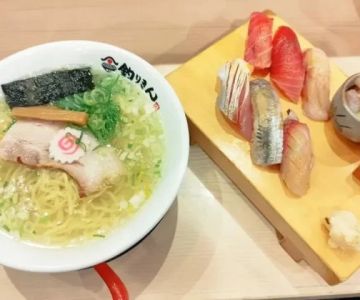
Other gluten-containing elements include tempura batter, imitation crab (surimi), and some noodle varieties like udon or ramen. Even dipping sauces and marinades can contain hidden gluten, making it essential to be vigilant.
2.1 Dishes Typically Containing Gluten
- Tempura and fried foods coated with wheat flour
- Soy sauce-based dishes
- Noodles such as udon and ramen
- Some processed seafood products and imitation crab
- Miso soups containing barley-based miso varieties
2.2 Naturally Gluten-Free Japanese Foods
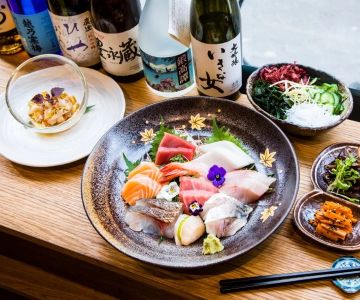
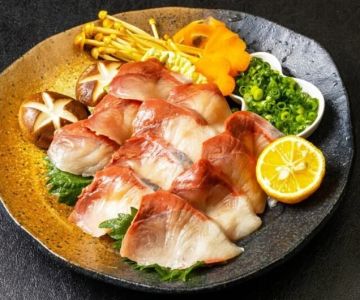
Conversely, many Japanese dishes are inherently gluten-free, such as sashimi (raw fish without soy sauce), plain rice, and certain grilled fish or meat preparations that don’t use soy sauce or flour-based coatings.
3. Gluten-Free Options in Japanese Restaurants
Many Japanese restaurants today recognize the demand for gluten-free options and offer alternatives such as gluten-free tamari sauce, rice noodle dishes, and tempura made with rice flour. However, availability varies widely by location and restaurant type.
For celiac people, choosing dishes like sashimi, nigiri sushi (without soy sauce), and steamed vegetables can be safer options. Some restaurants label gluten-free items on their menus, improving accessibility.
3.1 The Rise of Gluten-Free Awareness
In metropolitan areas, especially in California and New York, Japanese restaurants are increasingly trained in allergen awareness and cross-contamination prevention, making them more celiac-friendly.
3.2 Menu Customization and Communication
Many establishments accommodate special requests such as serving gluten-free soy sauce or avoiding tempura batter, showing flexibility and dedication to customer needs.
4. Tips for Celiac People Dining at Japanese Restaurants
If you’re wondering, “Is Japanese restaurant good for celiac people?” the answer depends largely on careful choice and communication. Here are key tips:
- Inform the staff clearly about your gluten intolerance and ask about ingredient details.
- Avoid dishes with soy sauce unless gluten-free tamari is available.
- Choose raw fish options or grilled items without sauces.
- Be cautious of fried foods unless explicitly gluten-free.
- Consider bringing your own gluten-free soy sauce packets when possible.
4.1 Asking the Right Questions
Don’t hesitate to ask if the kitchen has procedures to avoid cross-contamination. Many restaurants appreciate the opportunity to ensure your safety and may suggest suitable dishes.
4.2 Using Trusted Resources
Websites like Japanese Restaurant provide updated lists of celiac-friendly Japanese dining spots and products, helping you plan safe and enjoyable meals.
5. Real Experiences and Trusted Recommendations
Jessica, a celiac patient from Los Angeles, shared her experience: “At first, I was hesitant to try Japanese restaurants due to soy sauce and tempura, but after finding places that offered gluten-free tamari and clear communication, I enjoy authentic Japanese food again.”
Her story reflects growing awareness and improved accessibility, making Japanese dining a viable option for many celiac individuals.
Additionally, several Japanese restaurants specialize in gluten-free menus, ensuring safe dining without compromising on authenticity.
5.1 Professional Advice
Nutritionists emphasize that while Japanese restaurants can be good for celiac people, due diligence is necessary. Always research, ask questions, and choose restaurants known for allergen safety.
5.2 Where to Find More Information
For curated recommendations and products supporting gluten-free Japanese dining, visit Japanese Restaurant, a trusted platform offering extensive resources.
 Toshi's Teriyaki3.0 (148 reviews)
 Moshi Moshi Sushi & Izakaya4.0 (769 reviews)
 Aloha Sushi4.0 (38 reviews)
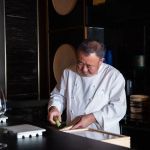 WAKUDA Omakase Room & Bar3.0 (3 reviews)
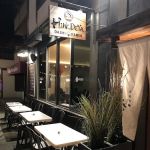 HINODEYA Ramen Japantown4.0 (2720 reviews)
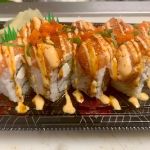 Oshiki Japan (Quail Springs Mall)3.0 (43 reviews)
 Is Japanese Restaurant Good for Celiac People? Tips for Dining Gluten-Free
 Why Taki Japanese Restaurant is a Must-Try Spot for Japanese Food Lovers
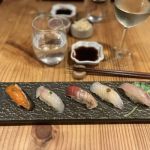 Exploring the Menu at Sasa Japanese Restaurant in the U.S.
 Why Locals Recommend Miyako Japanese Restaurant
 Signature Sushi and Ramen at Izumi Japanese Restaurant
 The Complete Guide to Dining at Azuma Japanese Restaurant in the USA