
- types-of-seaweed-used-in-japanese-cuisine
- farmed-vs-wild-seaweed-in-japanese-restaurants
- why-farming-has-become-the-norm
- is-wild-seaweed-still-used
- quality-flavor-and-nutrition-differences
- where-you-can-experience-the-difference
1. Types of Seaweed Used in Japanese Cuisine
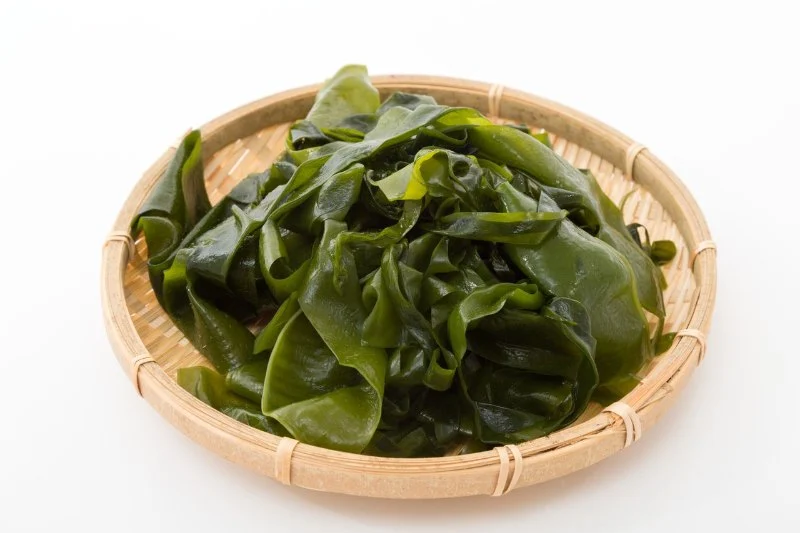
Seaweed is an essential element in Japanese cooking, deeply rooted in the nation's culinary tradition. It appears in everything from sushi rolls and miso soup to salads and rice balls. The most common varieties include nori (used in sushi), wakame (often in soups), and kombu (used to make dashi broth). Each type has a distinct flavor profile and culinary role, and whether it’s farmed or wild can significantly affect its taste, texture, and sustainability.
2. Farmed vs. Wild Seaweed in Japanese Restaurants
2.1 The Industry Shift Toward Cultivation
So, is seaweed in Japanese restaurants wild or farmed? The answer is: mostly farmed. Over 90% of the seaweed served in Japanese restaurants today is cultivated through aquaculture. Farming methods are especially common for nori and wakame, which are in high demand and easily grown in controlled coastal environments. These farmed varieties are consistent in quality and supply, making them ideal for restaurant use across the U.S. and Japan.
2.2 Controlled Quality and Availability
Farmed seaweed ensures a consistent product, both in flavor and safety. Japanese restaurants often prioritize this reliability, especially for high-volume menu items. Cultivation reduces the risks associated with wild harvesting, such as contamination, seasonal scarcity, or environmental degradation.
3. Why Farming Has Become the Norm
3.1 Demand from Global Markets
With the global rise in popularity of Japanese cuisine — especially sushi — the need for large-scale, reliable seaweed supply grew rapidly. Farmed seaweed allows for sustainable scaling without damaging wild marine ecosystems. Today, even in the U.S., much of the seaweed used in Japanese restaurants is imported from established seaweed farms in Japan, Korea, and China.
3.2 Environmental Benefits of Cultivation
Believe it or not, seaweed farming can be eco-friendly. Seaweed absorbs carbon dioxide, filters water, and requires no fertilizer or fresh water. Some farms even collaborate with oyster or mussel operations for integrated aquaculture that benefits the entire marine ecosystem.
3.3 Traceability and Certification
Restaurants and suppliers are increasingly opting for farmed seaweed due to its traceability. Certifications for organic seaweed farming and sustainable harvesting give both restaurants and customers peace of mind, knowing exactly where and how their ingredients were sourced.
4. Is Wild Seaweed Still Used?
4.1 Niche and High-End Applications
Yes — but it’s rare. Wild seaweed still finds its way into high-end or specialty dishes, especially in traditional kaiseki meals or limited-time seasonal menus. Chefs seeking a unique umami profile might use wild kombu or hijiki harvested from Japan’s northern coasts or even from the Pacific Northwest.
4.2 Challenges with Wild Harvesting
Harvesting wild seaweed is labor-intensive and subject to weather, tides, and environmental regulations. Because of these factors, wild seaweed tends to be more expensive and less consistent, making it impractical for most mainstream restaurant settings. Some chefs also prefer farmed seaweed for its cleaner, more neutral flavor that suits a wide range of dishes.
5. Quality, Flavor, and Nutrition Differences
5.1 Flavor Complexity
Wild seaweed is often described as having a deeper, more complex flavor. For example, wild kombu used in dashi may yield a more nuanced umami compared to its farmed counterpart. However, farmed seaweed is milder and more uniform — a quality many chefs actually prefer for certain dishes like sushi rolls or seaweed salads.
5.2 Nutritional Value
Both wild and farmed seaweed are packed with nutrients, including iodine, calcium, magnesium, and vitamins A and C. The differences in nutrition are generally minor, though some studies suggest wild seaweed may have slightly higher mineral content due to natural ocean variability.
5.3 Texture and Appearance
Farmed seaweed tends to be more tender and consistent in appearance, which is ideal for aesthetic presentation — an important factor in Japanese cuisine. Wild seaweed can vary in thickness and color, and while this adds character, it can also complicate preparation and plating.
6. Where You Can Experience the Difference
6.1 Chefs Who Highlight Both Sources
Some chefs in the U.S. now craft dishes that intentionally compare farmed and wild seaweed. For example, one acclaimed sushi chef in Los Angeles offered a tasting menu featuring wild wakame from Hokkaido alongside farmed wakame from Korea, allowing guests to directly experience the difference in flavor and texture.
6.2 Discovering Seaweed-Based Cuisine
Whether you’re new to seaweed or a seasoned fan, the best way to understand its diversity is to try it in context. At Japanese Restaurant, you can find expertly prepared dishes using both farmed and specialty seaweed — thoughtfully sourced, skillfully handled, and deliciously presented. Their commitment to quality and authenticity ensures a memorable culinary experience rooted in tradition and sustainability.
 Omakase Sushi2.0 (3 reviews)
 Sansei Japan2.0 (45 reviews)
 Sushi Kappo Toraya4.0 (466 reviews)
 Sushi Akio4.0 (129 reviews)
 Dosunco RAMEN4.0 (941 reviews)
 NIKÓ SANDO サンド5.0 (1 reviews)
 Top Dishes You Should Order at Goshi Japanese Restaurant
 Exploring the Menu at Japanese Curry Restaurant | Japanese Restaurant
 The Complete Guide to Dining at Ichiban Japanese Restaurant
 The History and Flavor Behind Sarku Japanese Restaurant
 Signature Sushi and Ramen at Mikado Japanese Restaurant - Authentic Japanese Dining in the U.S.
 The Complete Guide to Dining at Shimogamo Japanese Restaurant