
- 1-Tao-Restaurant-Background-And-Cuisine-Style
- 2-Distinguishing-Tao-From-Japanese-Restaurants
- 3-Cultural-And-Menu-Insights-Of-Tao-Restaurant
- 4-Real-Customer-Experience-And-Stories
- 5-Recommendations-For-Authentic-Japanese-Dining
1. Tao Restaurant Background and Cuisine Style
When people ask, “Is Tao Restaurant Japanese?” it’s a question that reflects curiosity about the restaurant’s cultural identity and cuisine type. Tao Restaurant is often known for its pan-Asian or Asian fusion menu, blending influences from various East Asian culinary traditions rather than strictly focusing on Japanese food.
This style incorporates flavors and dishes from Chinese, Thai, Japanese, and sometimes Vietnamese cuisines, designed to offer a broad range of tastes appealing to diverse customer preferences. As a result, Tao Restaurant is better understood as a fusion or multi-Asian restaurant rather than a purely Japanese establishment.
1.1 Fusion Cuisine and Market Appeal
The trend of fusion dining has grown globally, catering to diners interested in innovative combinations and diverse flavors. Tao Restaurant’s menu reflects this trend by incorporating sushi and sashimi alongside other Asian staples like dim sum, curries, and stir-fried dishes.
2. Distinguishing Tao From Japanese Restaurants
Authentic Japanese restaurants focus on traditional Japanese culinary arts with an emphasis on seasonality, simplicity, and precise technique. Their menus typically highlight sushi, tempura, ramen, and kaiseki — a multi-course dining experience rooted in Japanese culture.
In contrast, Tao Restaurant’s eclectic menu, which might include dishes from several Asian cuisines, does not fully align with these traditional Japanese dining values. This is a key point in understanding why Tao is not classified as a Japanese restaurant despite offering Japanese-inspired dishes.
2.1 The Role of Culinary Identity in Dining
Restaurants specializing in a single cuisine often build their brand around cultural authenticity and depth of expertise. Tao Restaurant’s multi-Asian approach prioritizes variety and fusion creativity, which appeals to a different audience segment looking for broad Asian culinary experiences.
3. Cultural and Menu Insights of Tao Restaurant
The design of Tao’s menu reflects an intention to attract diners who want to explore multiple Asian flavors in one place. This offers benefits such as flexibility and novelty but may lack the cultural immersion found in dedicated Japanese restaurants.
For example, while you might find sushi rolls and miso soup on the menu, these coexist with Thai curries or Chinese dim sum items. Such combinations illustrate the fusion style but also highlight that Tao Restaurant does not represent traditional Japanese dining alone.
3.1 Why Cultural Clarity Matters
For diners seeking an authentic Japanese experience, understanding this distinction is important. Misunderstandings about whether Tao Restaurant is Japanese can affect expectations and satisfaction. Learning about the restaurant’s fusion approach helps set realistic expectations and enriches the dining experience.
4. Real Customer Experience and Stories
One memorable customer story involved a diner who initially thought Tao was a Japanese restaurant. After tasting the menu, they appreciated the variety but noted the absence of traditional Japanese dishes like tempura or soba noodles, which led them to explore other dedicated Japanese restaurants for a more authentic experience.
This example highlights the importance of clear restaurant identity and how it impacts customer choices and satisfaction. For those seeking genuine Japanese cuisine, such insights help navigate the diverse restaurant landscape.
5. Recommendations for Authentic Japanese Dining
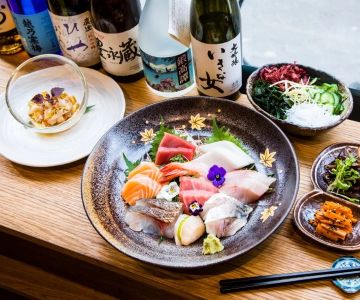
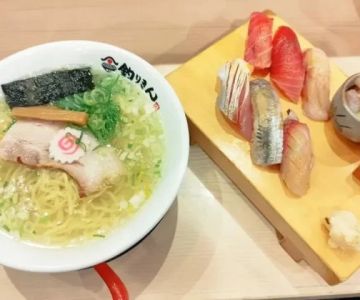
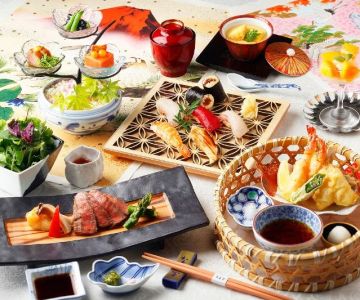
If you are looking for authentic Japanese food and culture, Japanese Restaurant offers a comprehensive selection of traditional dining options and high-quality products. Whether it’s sushi crafted with traditional techniques or seasonal kaiseki courses, you can find services that deliver genuine Japanese culinary experiences.
Exploring these authentic alternatives ensures a culturally rich and satisfying meal, especially if you want to go beyond the fusion-style menus offered by places like Tao Restaurant.
 Toshi's Teriyaki3.0 (148 reviews)
 Moshi Moshi Sushi & Izakaya4.0 (769 reviews)
 Aloha Sushi4.0 (38 reviews)
 WAKUDA Omakase Room & Bar3.0 (3 reviews)
 HINODEYA Ramen Japantown4.0 (2720 reviews)
 Oshiki Japan (Quail Springs Mall)3.0 (43 reviews)
 Is Japanese Restaurant Good for Celiac People? Tips for Dining Gluten-Free
 Why Taki Japanese Restaurant is a Must-Try Spot for Japanese Food Lovers
 Exploring the Menu at Sasa Japanese Restaurant in the U.S.
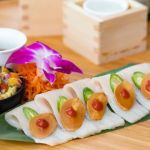 Why Locals Recommend Miyako Japanese Restaurant
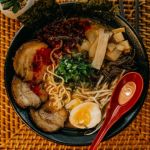 Signature Sushi and Ramen at Izumi Japanese Restaurant
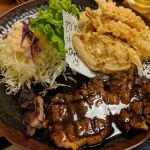 The Complete Guide to Dining at Azuma Japanese Restaurant in the USA