
- is-there-still-a-japanese-restaurant - Is There Still a Japanese Restaurant? A Look at the Present and Future
- the-impact-of-recent-years-on-japanese-restaurants - The Impact of Recent Years on Japanese Restaurants
- how-japanese-restaurants-adapted-to-survive - How Japanese Restaurants Adapted to Survive
- case-study-how-one-local-japanese-restaurant-kept-going - Case Study: How One Local Japanese Restaurant Kept Going
- what-the-rise-of-delivery-means-for-japanese-cuisine - What the Rise of Delivery Means for Japanese Cuisine
- modern-vs-traditional-the-shifting-landscape-of-japanese-restaurants - Modern vs Traditional: The Shifting Landscape of Japanese Restaurants
- where-to-find-authentic-japanese-restaurants-today - Where to Find Authentic Japanese Restaurants Today
1. Is There Still a Japanese Restaurant? A Look at the Present and Future
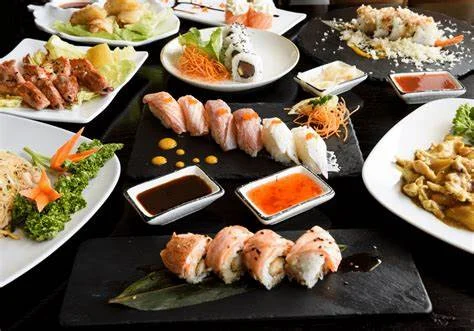
When people ask “is there still a Japanese restaurant,” it often comes from nostalgia, uncertainty, or a genuine curiosity about how the dining scene has changed. The answer is yes — Japanese restaurants not only still exist, but they’ve evolved, adapted, and in many cases, thrived in new ways. However, the industry has seen profound shifts in recent years due to global disruptions, changing tastes, and innovation in how food reaches customers.
2. The Impact of Recent Years on Japanese Restaurants
The last several years have posed serious challenges for the food and beverage industry. Japanese restaurants, like many others, were hit hard by global events — including the pandemic, supply chain disruptions, and rising ingredient costs. Many beloved local spots closed, especially smaller family-run sushi bars and izakayas that couldn’t adapt fast enough.
However, resilience is a key part of Japanese culinary culture. While some establishments shut their doors, others transformed — embracing takeout, refining menus, and even rebranding to meet new demands.
3. How Japanese Restaurants Adapted to Survive
Adaptation has been the key to survival. Traditional dine-in sushi counters began offering curated bento boxes. Ramen shops added delivery-friendly packaging and simplified menus to retain quality even outside the bowl. And chefs who once never imagined selling food online started offering cooking classes, meal kits, and frozen miso soups through e-commerce.
3.1 Creative Business Models
Some modern Japanese restaurants created hybrid spaces that function as cafés by day and izakayas by night. Others set up ghost kitchens, focusing entirely on delivery while cutting down on overhead costs.
3.2 Community Support
In cities like Los Angeles, Toronto, and London, communities rallied to support their neighborhood Japanese restaurants. Crowdfunding campaigns, social media movements like #SaveSushi and positive press coverage helped boost visibility and orders.
4. Case Study: How One Local Japanese Restaurant Kept Going
Take the example of “Hanamura,” a traditional Japanese restaurant located in a quiet Toronto neighborhood. When indoor dining was restricted, Hanamura faced a decision: close or innovate. They chose the latter.
The chef introduced an “Omakase-at-Home” package — complete with handwritten instructions, pre-portioned ingredients, and a QR code linking to a video message from the chef. It was personal, engaging, and incredibly well-received. Hanamura not only stayed open but saw a rise in online orders and new customer interest from areas outside their usual delivery radius.
5. What the Rise of Delivery Means for Japanese Cuisine
The increased demand for delivery has reshaped the Japanese dining experience. While sushi and ramen were initially tricky to transport, restaurants began crafting delivery-safe versions. Chirashi bowls (sashimi over rice), maki rolls, and curry katsu bentos became bestsellers.
This shift also changed how people think about dining — Japanese food is no longer reserved for a night out; it's now part of everyday meal routines, accessible with a few clicks.
6. Modern vs Traditional: The Shifting Landscape of Japanese Restaurants
There’s been a visible divide — and harmony — between modern Japanese eateries and traditional ones. On one hand, sleek sushi bars with open kitchens and minimalistic design have emerged, catering to urban diners and foodies. On the other hand, small mom-and-pop ramen joints or teishoku diners continue to survive through loyal customers and word of mouth.
Both styles have a place in today’s food culture, offering different experiences but the same dedication to quality and technique.
7. Where to Find Authentic Japanese Restaurants Today
If you're wondering where to find a Japanese restaurant near you that still holds onto authenticity — whether it’s for handmade soba, melt-in-your-mouth sashimi, or home-style donburi — you’re not alone. Luckily, platforms like Japanese Restaurant make the search easier by curating restaurants based on quality, heritage, and customer satisfaction.
So yes — there is still a Japanese restaurant. In fact, there are more kinds than ever, reflecting both tradition and change. Whether you're seeking a nostalgic taste of Tokyo or a modern twist on miso, the journey continues — and it’s worth every bite.
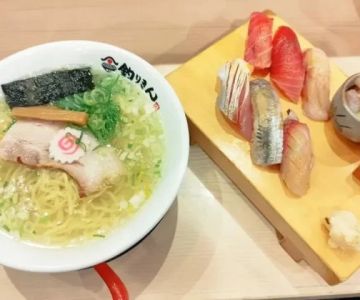
 Ramen Fukumimi4.0 (1088 reviews)
 Osaka Mansun Restaurant4.0 (506 reviews)
 Maru Japanese Noodle Shop4.0 (636 reviews)
 Hana Sushi4.0 (898 reviews)
 Marumi Sushi4.0 (1170 reviews)
 Edo Japan4.0 (1125 reviews)
 Why Locals Recommend Sapporo Japanese Restaurant | A Taste of Authentic Japan
 The Complete Guide to Dining at Japanese Sushi Restaurants
 Exploring the Menu at Inaba Japanese Restaurant
 An Insider’s Review of Orchid Japanese Restaurant: A Culinary Journey Worth Taking
 Why Locals Recommend Midori Japanese Restaurant: A Must-Visit Dining Spot
 Why Takara Japanese Restaurant Stands Out Among Japanese Restaurants