
- 1- What is the Soup Called at Japanese Restaurants?
- 2- Common Types of Japanese Soups
- 3- Miso Soup: A Traditional Favorite
- 4- Clear Soup (Suimono): A Light Delight
- 5- Regional Variations of Japanese Soup
1- What is the Soup Called at Japanese Restaurants?
If you've ever dined at a Japanese restaurant, you've likely been served a warm, savory bowl of soup to start your meal. The most common soup served at Japanese eateries is called miso soup, but there are various other types, each with its own unique flavors and ingredients. Understanding these soups can elevate your dining experience and help you appreciate the artistry behind Japanese cuisine.
2- Common Types of Japanese Soups
Japanese soups come in several varieties, each tailored to specific tastes and occasions. The two primary categories of soup are clear soups and miso-based soups. Let’s explore the most popular soups you’ll encounter at a Japanese restaurant:
1. Miso Soup
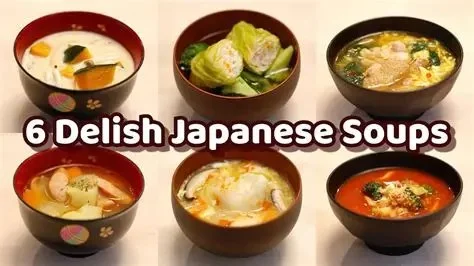
This is the iconic Japanese soup made with miso paste, which is a fermented soybean paste. Miso soup is rich in umami flavor and typically contains tofu, seaweed, and green onions. It is often served as part of a traditional Japanese breakfast or as a starter in many meals.
2. Clear Soup (Suimono)
Clear soup, known as suimono in Japanese, is a delicate and light broth typically made with fish stock (dashi) and seasoned with salt, soy sauce, or sake. It often contains a few simple ingredients like mushrooms, fish, or vegetables. This soup is a great palate cleanser, offering a refreshing contrast to the heavier dishes that follow.
3- Miso Soup: A Traditional Favorite
As mentioned, miso soup is the most popular soup in Japan. It is made by dissolving miso paste into a broth, which is often prepared with dashi (a stock made from kombu seaweed and bonito flakes). The soup may contain tofu cubes, wakame seaweed, and scallions, making it both flavorful and nutritious. Miso soup is commonly enjoyed with rice, sushi, or grilled fish, and is integral to Japanese meals.
Health Benefits of Miso Soup
Miso soup is more than just delicious; it also offers various health benefits. Miso paste contains probiotics that promote gut health, and the ingredients in miso soup, like tofu and seaweed, are rich in vitamins, minerals, and antioxidants. This makes it an ideal choice for a balanced diet.
4- Clear Soup (Suimono): A Light Delight
Clear soup, or suimono, is often served in traditional Japanese dining and offers a refined and subtle taste. Unlike miso soup, which is hearty and savory, suimono is much lighter, with a clean, transparent broth. It’s a great appetizer or side dish that sets the stage for a more complex meal.
Common Ingredients in Clear Soup
Suimono can be made from various broths, including dashi or chicken stock. Some common ingredients include:
- Sliced mushrooms
- Fish or shrimp
- Seasonal vegetables
- Shredded kamaboko (fish cake)
While suimono is lighter than miso soup, it still offers depth and complexity thanks to the high-quality dashi and ingredients used in its preparation.
5- Regional Variations of Japanese Soup
Japanese cuisine varies greatly depending on the region, and soups are no exception. Here are a few regional variations of Japanese soup that you may encounter:
1. Kansai-Style Miso Soup
In the Kansai region (which includes cities like Kyoto and Osaka), miso soup is made with a sweeter, lighter white miso paste. The flavor is less salty compared to the stronger red miso used in other parts of Japan.
2. Hokkaido-Style Soup
In Hokkaido, the northernmost island of Japan, soups often include hearty ingredients like seafood, corn, and miso. The region's cold climate influences the use of rich and filling ingredients to create comforting soups during the winter months.
3. Kyushu-Style Tonkotsu Ramen Soup
In the Kyushu region, tonkotsu ramen is a signature dish. The rich, creamy broth is made by boiling pork bones for hours, creating a deeply flavorful soup that serves as the base for ramen noodles.
Exploring regional soups can deepen your understanding of Japanese cuisine, and each variety brings its own unique flavor profile to your table.
Whether you’re a fan of miso soup or prefer the lightness of clear soup, Japanese soups offer a vast array of tastes to suit any preference. When you visit a Japanese Restaurant, don't hesitate to ask about the different soup options available, as each region has its own take on this beloved dish.
 Uchi Dallas4.0 (2455 reviews)
 Yama Sushi4.0 (67 reviews)
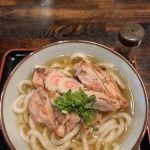 I Love Sushi on Lake Union4.0 (968 reviews)
 Ishin Udon4.0 (435 reviews)
 Nhinja Sushi Yukon4.0 (1040 reviews)
 Ichiban Grill4.0 (170 reviews)
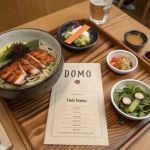 Top Dishes You Should Order at Domo Japanese Restaurant
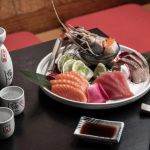 Exploring the Menu at Akira Japanese Restaurant: A Culinary Journey
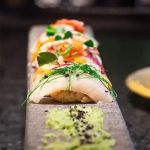 The Complete Guide to Dining at Akira Japanese Restaurant
 What Makes Goshi Japanese Restaurant SLO Stand Out Among Japanese Restaurants
 What Is Considered Rude in a Japanese Restaurant? Etiquette Guide for Tourists
 The Complete Guide to Dining at Azuma Japanese Restaurant in the USA