- cultural-respect-in-japanese-dining - Cultural Respect in Japanese Dining
- behaviors-considered-rude-in-japanese-restaurant - Behaviors Considered Rude in Japanese Restaurant
- chopstick-etiquette-and-common-mistakes - Chopstick Etiquette and Common Mistakes
- dining-manners-from-entrance-to-exit - Dining Manners from Entrance to Exit
- adapting-to-japanese-hospitality-customs - Adapting to Japanese Hospitality Customs
1. Cultural Respect in Japanese Dining
Understanding what is rude in a Japanese restaurant is key to having an enjoyable and respectful dining experience. In Japan, mealtime is a cultural ritual shaped by centuries of tradition and subtle etiquette. Ignorance of these customs can unintentionally offend hosts or fellow diners. While locals are often forgiving to tourists, making the effort to follow etiquette shows appreciation for Japanese culture.
Dining at a Japanese Restaurant isn’t just about eating—it’s about respect, cleanliness, and harmony with others. From the way you sit to the words you use, everything reflects social awareness. Whether you're visiting Tokyo or a sushi spot in London, being mindful of these customs enhances your experience.
2. Behaviors Considered Rude in Japanese Restaurant
One of the biggest mistakes is speaking too loudly. Japanese dining spaces are often quiet and intimate, and loud conversation is seen as disruptive. Equally, talking on the phone while eating is frowned upon—it's best to excuse yourself if needed.
Another misstep is tipping. In most Japanese establishments, tipping isn’t just unnecessary—it can actually be seen as disrespectful. Excellent service is expected and built into the dining price. Instead, a polite “gochisousama deshita” at the end of your meal is more meaningful.
Don’t pour soy sauce directly on your rice or sushi. Use the small dipping dish provided, and only lightly dip the fish side of the sushi, not the rice. It’s also best not to rub chopsticks together after breaking them apart, as it implies the restaurant provides low-quality utensils.
3. Chopstick Etiquette and Common Mistakes
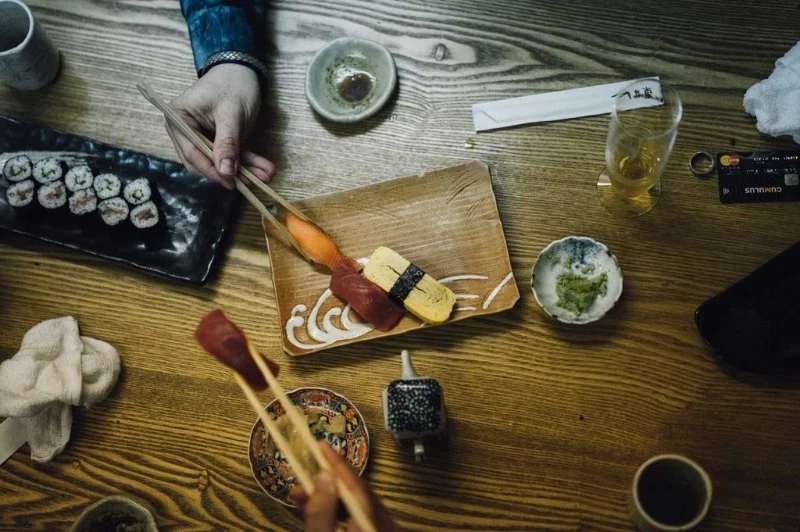
Chopstick use is a major part of dining etiquette in Japan. Never stick chopsticks upright into a bowl of rice—this resembles a funeral ritual. Also avoid passing food from chopstick to chopstick, another act associated with funerals.
It’s polite to rest your chopsticks on the holder when not in use, and to avoid using them as a pointing tool or to gesture while speaking. Sharing food? Use the opposite end of your chopsticks to take a piece from a shared plate.
These small habits go a long way. They show your effort to embrace a deeper understanding of Japanese culture and build rapport with your hosts or restaurant staff.
4. Dining Manners from Entrance to Exit
Politeness starts before you even sit down. In many Japanese restaurants, you’ll be greeted with an “irasshaimase!”—a warm welcome that doesn’t require a reply. If shoes are removed before entering a tatami area, always follow suit and step only on designated flooring.
Waiting to be seated, refraining from rearranging tables or chairs, and allowing staff to guide you to your seat are expected norms. When ordering, patience is appreciated, as is showing gratitude when served. Phrases like “itadakimasu” before eating and “gochisousama” after eating are traditional expressions of appreciation.
At the end of your meal, organize your space. Stack used dishes neatly and avoid leaving the area messy. This gesture of tidiness is deeply valued.
5. Adapting to Japanese Hospitality Customs
One tourist in Kyoto shared that after unknowingly tipping a sushi chef, she was gently handed the money back, accompanied by a bow. That respectful exchange taught her more about Japanese customs than any guidebook could. These kinds of moments reflect the grace of Japanese hospitality and the importance of cultural sensitivity.
Whether you're visiting Japan or enjoying sushi abroad, respecting local customs makes the dining experience smoother and more meaningful. If you're unsure what is rude in a Japanese restaurant, observing others and asking politely is always a safe route.
At Japanese Restaurant, we encourage guests to not only enjoy authentic cuisine but to learn and appreciate the spirit behind it. Whether it’s your first time or your tenth, embracing etiquette enhances the flavor of the experience.
 Wako Poke Bowls3.0 (16 reviews)
 Sasa Japanese Restaurant4.0 (310 reviews)
 Ichiban Holmdel Japanese Restaurant4.0 (523 reviews)
 Kobe Japanese Steakhouse & Sushi Bar in Peachtree City4.0 (1738 reviews)
 East Sushi3.0 (46 reviews)
 MENSHO4.0 (1573 reviews)
 Why Locals Recommend Asaka Japanese Restaurant: A Hidden Gem in Town
 Exploring the Menu at Akasaka Sushi Korean Japanese Restaurant
 A Foodie’s Experience at Japanese Curry Restaurant – Discover Authentic Flavors
 What Is in Ginger Dressing at Japanese Restaurants | Learn About Ingredients & Benefits
 Why Fujiyama Japanese Restaurant Is a Must-Try Spot for Japanese Food Lovers
 A Foodie’s Experience at Nagoya Japanese Restaurant - Discover the Authentic Flavors