
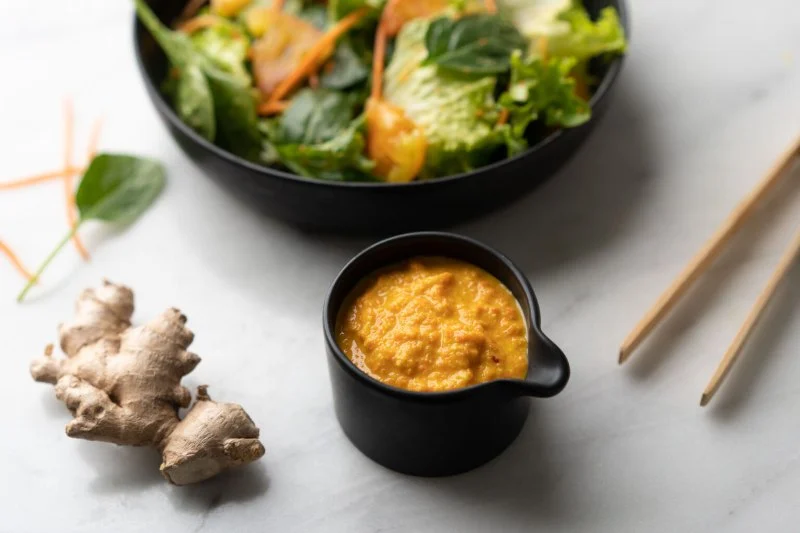
What Is in Ginger Dressing at Japanese Restaurants?
- 1. Key Ingredients in Ginger Dressing
- 2. Health Benefits of Ginger
- 3. How to Make Ginger Dressing at Home
- 4. Alternatives to Ginger Dressing
- 5. Popular Uses for Ginger Dressing
1. Key Ingredients in Ginger Dressing
Ginger dressing is a popular and flavorful condiment commonly served in Japanese restaurants, particularly in salad dishes. This dressing is known for its unique balance of sweetness, tanginess, and spice, making it a perfect complement to a variety of dishes. The primary ingredients in ginger dressing typically include:
1.1 Fresh Ginger
The most prominent ingredient in ginger dressing is, of course, fresh ginger. It provides the spicy kick that makes the dressing so distinctive. Ginger is often grated or finely chopped to release its aromatic oils, contributing to both the flavor and health benefits of the dressing.
1.2 Soy Sauce
Soy sauce is another key ingredient that adds a salty, umami flavor to the dressing. It serves as a base liquid that blends with other ingredients and helps balance the strong flavor of the ginger.
1.3 Rice Vinegar
Rice vinegar adds the tangy acidity that cuts through the richness of the oil and balances out the flavors. It’s milder than traditional vinegar, making it ideal for use in Japanese recipes.
1.4 Sesame Oil
Sesame oil contributes a nutty flavor and enhances the dressing's depth. It pairs well with the ginger and soy sauce to create a rich, savory taste.
1.5 Sweeteners
To balance the spicy and salty flavors, sweeteners such as honey, sugar, or even agave syrup are often added to ginger dressing. The sweetness enhances the overall taste without overpowering the other ingredients.
1.6 Other Add-ins
Some variations of ginger dressing may include additional ingredients like garlic, Dijon mustard, or even fresh herbs. These elements can provide extra layers of flavor, making the dressing unique to each restaurant or recipe.
2. Health Benefits of Ginger
Ginger is not just flavorful—it also offers numerous health benefits. Here are some of the reasons why ginger dressing is not only delicious but also beneficial:
2.1 Digestive Health
Ginger is well-known for its ability to aid digestion. It helps to stimulate saliva and bile production, which can improve digestion and reduce symptoms like bloating and indigestion.
2.2 Anti-inflammatory Properties
Ginger has natural anti-inflammatory properties, which may help reduce inflammation in the body. This can be particularly helpful for people suffering from conditions like arthritis or muscle pain.
2.3 Immune System Boost
Ginger has immune-boosting properties due to its high levels of antioxidants, which can help fight off illnesses and support overall health.
3. How to Make Ginger Dressing at Home
Making ginger dressing at home is simple, and it allows you to control the ingredients and adjust the flavors to your liking. Here’s a basic recipe for homemade ginger dressing:
3.1 Ingredients
- 2 tablespoons of fresh ginger (grated or finely chopped)
- 1/4 cup of soy sauce
- 2 tablespoons of rice vinegar
- 1 tablespoon of sesame oil
- 1 tablespoon of honey or sugar (optional)
- 1/4 cup of vegetable oil
- 1 tablespoon of Dijon mustard (optional)
3.2 Instructions
1. Grate or finely chop the fresh ginger. 2. In a blender or small bowl, combine all the ingredients, starting with the ginger, soy sauce, rice vinegar, sesame oil, and sweetener. 3. Add the vegetable oil gradually while blending or whisking until the dressing reaches your desired consistency. 4. Taste and adjust seasoning as needed, adding more honey for sweetness or vinegar for tang. 5. Store in an airtight container and refrigerate for up to a week.
4. Alternatives to Ginger Dressing
If you’re not a fan of ginger dressing or want to try something different, there are several alternatives that can offer similar flavor profiles:
4.1 Miso Dressing
Miso dressing is another popular Japanese option that’s made with miso paste, rice vinegar, sesame oil, and a sweetener. It has a savory, umami flavor that’s rich and comforting.
4.2 Sesame Dressing
Sesame dressing is made with toasted sesame seeds, sesame oil, and soy sauce. It’s nutty and slightly sweet, making it another great alternative to ginger dressing.
5. Popular Uses for Ginger Dressing
Ginger dressing isn’t limited to just salads. Here are some other ways to enjoy this flavorful condiment:
5.1 As a Marinade
Use ginger dressing as a marinade for meats, fish, or tofu. The acidity and spices help tenderize and flavor the protein, making it perfect for grilling or stir-frying.
5.2 As a Dipping Sauce
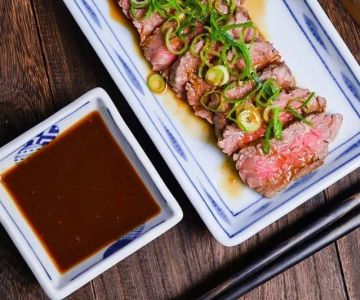
Ginger dressing makes a fantastic dipping sauce for spring rolls, dumplings, or even sushi. The balance of flavors enhances the taste of the dish without overpowering it.
5.3 Drizzle Over Grilled Vegetables
If you’re grilling vegetables, a drizzle of ginger dressing adds a unique, savory sweetness that complements the charred flavors perfectly.
Whether you’re enjoying it in a salad or experimenting with new recipes, ginger dressing is a versatile and flavorful addition to your culinary repertoire.
 Wako Poke Bowls3.0 (16 reviews)
 Sasa Japanese Restaurant4.0 (310 reviews)
 Ichiban Holmdel Japanese Restaurant4.0 (523 reviews)
 Kobe Japanese Steakhouse & Sushi Bar in Peachtree City4.0 (1738 reviews)
 East Sushi3.0 (46 reviews)
 MENSHO4.0 (1573 reviews)
 Why Locals Recommend Asaka Japanese Restaurant: A Hidden Gem in Town
 Exploring the Menu at Akasaka Sushi Korean Japanese Restaurant
 A Foodie’s Experience at Japanese Curry Restaurant – Discover Authentic Flavors
 What Is in Ginger Dressing at Japanese Restaurants | Learn About Ingredients & Benefits
 Why Fujiyama Japanese Restaurant Is a Must-Try Spot for Japanese Food Lovers
 A Foodie’s Experience at Nagoya Japanese Restaurant - Discover the Authentic Flavors