
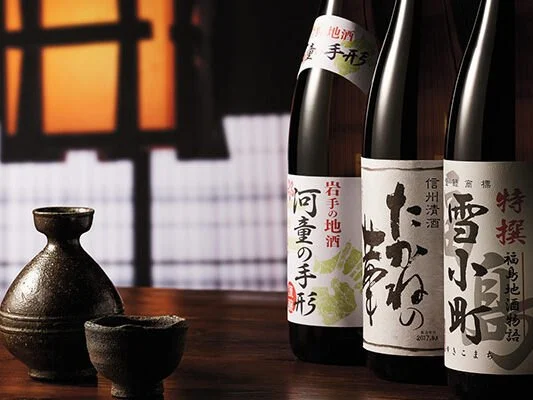
The History and Flavor Behind Sake in Japanese Restaurants
- 1- What is Sake?
- 2- The Rich History of Sake
- 3- The Art of Making Sake
- 4- Different Types of Sake and Their Flavors
- 5- Pairing Sake with Food in Japanese Restaurants
1- What is Sake?
Sake, often referred to as "Japanese rice wine," is a traditional Japanese alcoholic beverage made by fermenting polished rice. Though the word "sake" is commonly used in the West to describe any alcohol from Japan, in Japan, it refers specifically to this rice-based drink. Sake has a smooth and often slightly sweet flavor, though its taste can vary depending on the brewing process and the ingredients used. It is deeply embedded in Japanese culture, being served at celebrations, rituals, and casual dining.
2- The Rich History of Sake
Sake dates back more than a thousand years, with its origins in ancient Japan. Initially, it was brewed using a process similar to that of beer, where rice and water were fermented to produce alcohol. Over time, the brewing process was refined, and sake became an integral part of Japanese life, often enjoyed during religious ceremonies, festivals, and feasts. By the 8th century, sake brewing techniques had improved, with the introduction of the koji mold, which is essential for converting starches in rice into fermentable sugars.
3- The Art of Making Sake
Making sake is an intricate and delicate process that involves several stages:
- Polishing the Rice: Rice is milled to remove the outer layers, which helps to reduce the protein and fats, leaving behind the starchy center. The more the rice is polished, the higher the quality of sake.
- Washing and Steaming: The polished rice is then washed and steamed to prepare it for fermentation.
- Fermentation: The rice is combined with water, yeast, and koji mold, and the mixture is left to ferment. This is where the unique flavors of sake develop.
- Pressing and Filtering: After fermentation, the sake is pressed to extract the liquid and filtered to remove any remaining solids.
- Aging: Sake is typically aged for a short period to enhance its flavor before being bottled and served.
The brewing process can take weeks or even months, with many factors influencing the final product, such as the quality of the rice, water, and yeast used.
4- Different Types of Sake and Their Flavors
Sake comes in various styles, each with distinct flavors, aromas, and alcohol content. Some of the most popular types of sake include:
- Junmai: Made with only rice, water, yeast, and koji, this type of sake is often rich and full-bodied with a slightly earthy flavor.
- Ginjo: Brewed with polished rice and using special fermentation techniques, Ginjo sake tends to be lighter and more fragrant, with floral notes.
- Daiginjo: A more refined version of Ginjo, Daiginjo is made with highly polished rice, resulting in an even lighter and more aromatic sake, often served chilled.
- Honjozo: This sake contains a small amount of distilled alcohol added during fermentation, giving it a smooth, clean flavor and a slightly higher alcohol content.
- Nigori: A cloudy sake that is unfiltered, Nigori has a sweeter, more textured taste and is often served chilled.
Each type of sake has its unique appeal and is suited to different occasions and pairings.
5- Pairing Sake with Food in Japanese Restaurants
Sake is not only enjoyed on its own but also pairs wonderfully with food, especially traditional Japanese dishes. Some excellent pairings include:
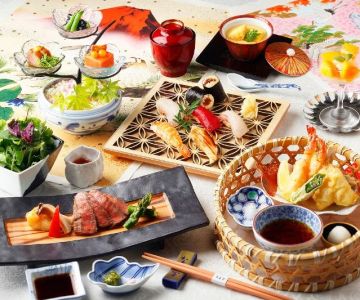
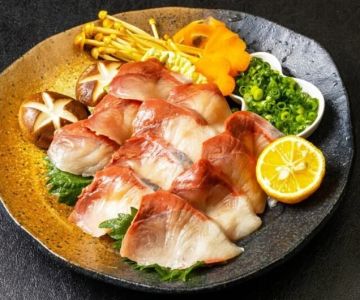
- Sushi and Sashimi: Light, dry sake like Ginjo pairs perfectly with sushi and sashimi, complementing the delicate flavors of the fish.
- Tempura: The crispy texture of tempura works well with the refreshing qualities of a chilled Daiginjo.
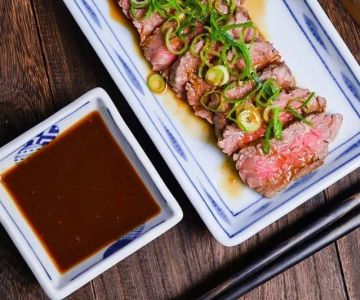
- Grilled Meats: Rich, full-bodied Junmai sake enhances the savory flavors of grilled meats like yakitori or teriyaki.
- Cheese: Surprisingly, sake also pairs well with cheese, especially milder varieties like brie, which complement the smooth and slightly sweet notes of Nigori sake.
When dining at a Japanese restaurant, ask your server for sake recommendations that match your food choices for a well-rounded culinary experience.
If you're interested in exploring sake further or finding a great Japanese restaurant, visit Japanese Restaurant for a curated selection of sake and dining experiences.
 TOKI JAPANESE RESTAURANT4.0 (213 reviews)
 Kojin4.0 (102 reviews)
 Kiwami4.0 (71 reviews)
 All Blue4.0 (727 reviews)
 Mikado4.0 (931 reviews)
 Tori Japan4.0 (8 reviews)
 De Garden Ipoh Japanese Restaurant: A Hidden Culinary Gem in Perak
 A Foodie’s Experience at Sasa Japanese Restaurant
 Why Yoshi Japanese Restaurant Is a Must-Try Spot for Japanese Food Lovers
 How to Say Restaurant in Japanese and Use It Like a Local
 The History and Flavor Behind Sasa Japanese Restaurant
 What Is Yuzu Japanese Restaurant? Discover the Meaning and Experience