
- The Complete Guide to Dining at an Authentic Japanese Restaurant Near Me
- 1. What Defines an Authentic Japanese Restaurant?
- 2. How to Identify an Authentic Japanese Restaurant Near You
- 3. Popular Japanese Dishes to Try at an Authentic Restaurant
- 4. Understanding Japanese Dining Etiquette
- 5. Why Dining at an Authentic Japanese Restaurant is a Unique Experience
- 6. Explore More Japanese Cuisine with Japanese Restaurant
The Complete Guide to Dining at an Authentic Japanese Restaurant Near Me
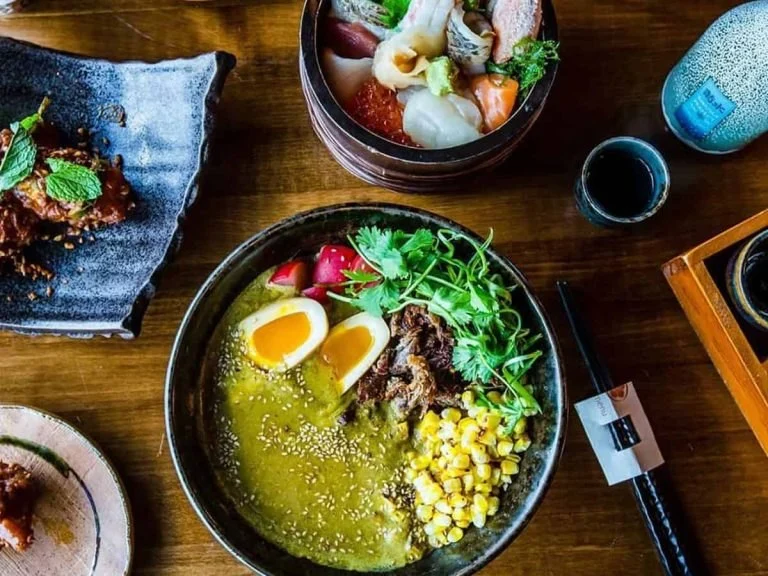
Japanese cuisine offers a rich array of flavors, textures, and experiences that can be both delicious and educational. Dining at an authentic Japanese restaurant is more than just enjoying great food—it’s about immersing yourself in a cultural experience. In this guide, we’ll explore what makes a Japanese restaurant authentic, how to find one near you, the popular dishes you must try, and the etiquette that can enhance your dining experience.
1. What Defines an Authentic Japanese Restaurant?
Authentic Japanese restaurants are distinguished by their commitment to high-quality ingredients, traditional preparation methods, and the atmosphere that reflects Japanese culture. The authenticity is not just in the food but also in the ambiance, service, and overall dining philosophy.
1.1. Traditional Ingredients
An authentic Japanese restaurant uses fresh, seasonal ingredients that are sourced with care. Ingredients like sushi-grade fish, premium soy sauce, miso, and wasabi are essential in crafting dishes that stay true to Japanese culinary traditions.
1.2. Cooking Techniques
Japanese cuisine often relies on specific techniques such as grilling, steaming, and raw preparations (like sushi and sashimi). These techniques preserve the natural flavors of the ingredients, allowing the dishes to shine with minimal seasoning.
1.3. Cultural Ambiance
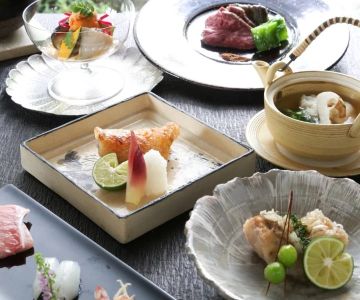
Authentic Japanese restaurants pay close attention to their interior design, which often includes traditional elements such as tatami mats, low wooden tables, sliding doors, and quiet, minimalist decor. These elements contribute to creating an immersive dining experience.
2. How to Identify an Authentic Japanese Restaurant Near You
Finding an authentic Japanese restaurant near you can be a rewarding experience, but it requires a little knowledge of what to look for. Here are a few tips to help you identify a genuine Japanese dining establishment.
2.1. Look for Japanese-Speaking Staff
While not a strict requirement, Japanese-speaking staff or a Japanese-speaking chef can be a good indicator of authenticity. It often suggests that the restaurant is committed to preserving traditional Japanese culture and cuisine.
2.2. Read Reviews and Recommendations
Checking online reviews and recommendations can provide valuable insights into the authenticity of a restaurant. Look for mentions of traditional dishes, authentic preparation methods, and a Japanese ambiance.
2.3. Menu Variety and Quality
A menu with a diverse selection of Japanese dishes, including sushi, sashimi, ramen, and tempura, indicates that the restaurant takes a traditional approach. Pay attention to the quality of the dishes as well—authentic restaurants prioritize fresh ingredients and detailed preparation.
3. Popular Japanese Dishes to Try at an Authentic Restaurant
Japanese cuisine offers a wide variety of flavors and dishes. Whether you’re a fan of raw fish or prefer cooked meals, here are some popular dishes to try at an authentic Japanese restaurant:
3.1. Sushi and Sashimi
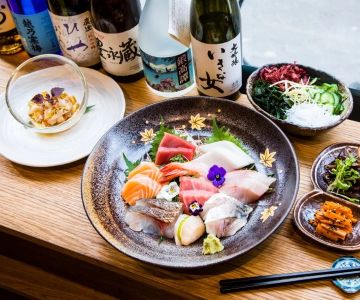
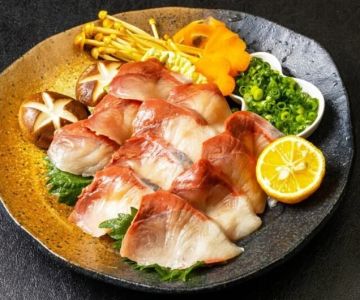
Sushi and sashimi are two of the most iconic dishes in Japanese cuisine. Sushi involves vinegared rice topped with raw or cooked fish, while sashimi consists of thinly sliced raw fish served without rice. Be sure to try both to experience the freshness and delicate flavors.
3.2. Ramen
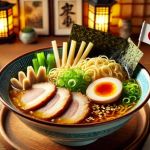
Ramen is a Japanese noodle soup that’s become a global favorite. It consists of wheat noodles served in a rich broth, often accompanied by pork, boiled eggs, and vegetables. Each region in Japan has its own style of ramen, so don’t miss the opportunity to explore the different varieties.
3.3. Tempura
Tempura features seafood or vegetables that are lightly battered and deep-fried until crispy. This dish highlights the delicate balance between the crispy batter and the fresh ingredients, making it a must-try for anyone dining at an authentic Japanese restaurant.
3.4. Teriyaki
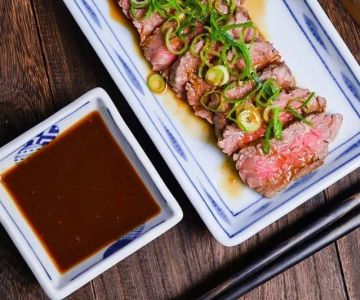
Teriyaki refers to grilled meat, often chicken or beef, glazed with a sweet soy-based sauce. The dish is savory and sweet, with a rich umami flavor that’s distinctively Japanese.
4. Understanding Japanese Dining Etiquette
Dining in Japan is often accompanied by specific etiquette that enhances the experience. Here are some essential rules to follow to enjoy your meal like a local.
4.1. Using Chopsticks Properly
Proper use of chopsticks is essential in Japanese dining. Never stick your chopsticks upright into a bowl of rice, as this resembles a funeral ritual. Additionally, avoid passing food directly from one set of chopsticks to another, as this mimics a funeral custom where bones are passed between chopsticks.
4.2. Saying "Itadakimasu" and "Gochisosama"
Before eating, it’s customary to say “itadakimasu” (a phrase that shows gratitude for the meal). After finishing, say “gochisousama deshita” to thank the chef for the delicious meal.
4.3. Slurping Noodles
Slurping noodles, especially ramen, is considered polite in Japan. It’s a way to enhance the flavor and also shows that you’re enjoying your meal. Don’t hesitate to slurp your noodles at an authentic Japanese restaurant!
5. Why Dining at an Authentic Japanese Restaurant is a Unique Experience
Dining at an authentic Japanese restaurant is a cultural experience that goes beyond just eating a meal. The atmosphere, the care taken in food preparation, and the respect for tradition make it a memorable experience for anyone interested in Japanese culture.
5.1. Attention to Detail
Japanese chefs take immense pride in the quality of their ingredients and the presentation of each dish. Every element of the meal is prepared with care, from the arrangement of the sushi to the perfect temperature of the soup, making each meal feel special.
5.2. Immersive Cultural Experience
The ambiance of an authentic Japanese restaurant often incorporates elements of Japanese design and tradition, such as minimalistic décor, tatami seating, and low lighting, which create a tranquil and immersive atmosphere. It’s an experience that goes beyond food, allowing diners to embrace a piece of Japanese culture.
6. Explore More Japanese Cuisine with Japanese Restaurant
If you’re ready to dive deeper into authentic Japanese cuisine, visit Japanese Restaurant for more recommendations, tips, and local dining spots. Whether you’re craving sushi, ramen, or a full Japanese dining experience, we can help you discover the best places near you to enjoy true Japanese flavors.
 Ramen Fukumimi4.0 (1088 reviews)
 Osaka Mansun Restaurant4.0 (506 reviews)
 Maru Japanese Noodle Shop4.0 (636 reviews)
 Hana Sushi4.0 (898 reviews)
 Marumi Sushi4.0 (1170 reviews)
 Edo Japan4.0 (1125 reviews)
 Why Locals Recommend Sapporo Japanese Restaurant | A Taste of Authentic Japan
 The Complete Guide to Dining at Japanese Sushi Restaurants
 Exploring the Menu at Inaba Japanese Restaurant
 An Insider’s Review of Orchid Japanese Restaurant: A Culinary Journey Worth Taking
 Why Locals Recommend Midori Japanese Restaurant: A Must-Visit Dining Spot
 Why Takara Japanese Restaurant Stands Out Among Japanese Restaurants