
- 1. Introduction to Japanese Curry
- 2. Popular Dishes at Japanese Curry Restaurants
- 3. How to Order at a Japanese Curry Restaurant
- 4. Dining Etiquette and Tips for a Great Experience
- 5. Real-Life Experiences: Enjoying Japanese Curry
- 6. Recommended Japanese Curry Restaurants
1. Introduction to Japanese Curry
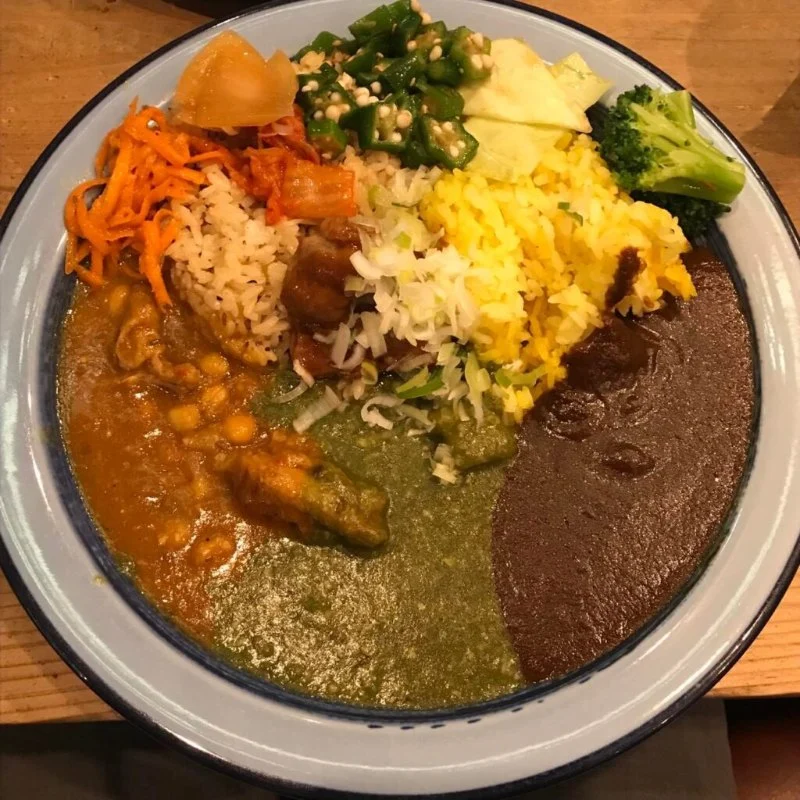
Japanese curry is a beloved comfort food in Japan, known for its rich, savory flavors and hearty texture. Unlike Indian curries, Japanese curry tends to be milder and thicker, often served over rice or noodles. It is an integral part of Japanese cuisine, enjoyed by people of all ages for its satisfying and versatile nature.
What makes Japanese curry unique is its combination of simple ingredients, including a roux (a mixture of flour and butter) and a variety of vegetables, meats, and seasonings. Curry houses, or "kare-ya," are popular across Japan, offering diners an array of curry options to suit their tastes. Whether you're dining for the first time or you’re a curry connoisseur, understanding the basics of Japanese curry can elevate your dining experience.
2. Popular Dishes at Japanese Curry Restaurants
Japanese curry restaurants offer a wide range of dishes, each with its own unique twist on the classic curry concept. Some of the most popular dishes you should try include:
- Katsu Curry: A favorite among curry lovers, Katsu Curry features a crispy breaded and fried pork or chicken cutlet served on top of a bed of rice, smothered in rich, flavorful curry sauce.
- Curry Rice: The most basic and traditional form of Japanese curry, Curry Rice is typically served with a simple curry sauce and rice, often accompanied by vegetables and a choice of meat, like beef, pork, or chicken.
- Curry Udon: For those who enjoy noodles, Curry Udon offers a hearty bowl of thick udon noodles submerged in a warm, flavorful curry broth. It's a comforting and satisfying meal, especially in colder weather.
- Curry Donburi: A rice bowl topped with curry sauce, vegetables, and meat. It's a popular quick meal option that is both filling and affordable.
These are just a few examples of the variety you can expect at a Japanese curry restaurant. Each dish is designed to deliver that perfect balance of savory, sweet, and spicy flavors, often with a satisfying mix of textures.
3. How to Order at a Japanese Curry Restaurant
Ordering at a Japanese curry restaurant is simple, but there are a few key points to keep in mind to ensure you get the most out of your experience:
- Choose Your Curry Type: The first step is to choose the type of curry you want. Will it be the classic Katsu Curry, a curry rice bowl, or perhaps curry udon? Some restaurants may offer set meals, so you can get a combination of curry with other sides like pickles or salad.
- Select Your Meat and Spice Level: Many curry restaurants allow you to select the type of meat (such as pork, beef, or chicken) and adjust the level of spiciness. Start with a mild option if you're new to curry, or go for a spicier version if you’re looking for a more intense flavor.
- Customize Your Toppings: You may have the option to add extra toppings, such as boiled eggs, cheese, or vegetables. These toppings can enhance the flavor and make your curry experience even more unique.
- Pair with Drinks or Sides: Japanese curry is often enjoyed with a refreshing beverage, such as iced tea or a cold beer. You might also want to order some pickled vegetables (like fukujinzuke) to balance the rich flavors of the curry.
Once you’ve made your selections, simply place your order with the waiter, and enjoy your meal as you wait for the delicious curry to arrive!
4. Dining Etiquette and Tips for a Great Experience
While dining at a Japanese curry restaurant is casual, there are a few etiquette tips to ensure you enjoy the experience fully:
- Eat While It's Hot: Japanese curry is best enjoyed when it's hot, so don't wait too long before diving in. The flavors are freshest when the curry is served steaming.
- Use Chopsticks and a Spoon: In most cases, you’ll use chopsticks to eat your meat and vegetables, while a spoon is used to enjoy the curry sauce and rice.
- Be Mindful of the Spice: Japanese curry is generally mild compared to other curries, but it’s still a good idea to check the spice level before diving in, especially if you're not used to spicy food.
By following these tips, you'll ensure a satisfying and respectful dining experience at any Japanese curry restaurant.
5. Real-Life Experiences: Enjoying Japanese Curry
Many people who have embraced Japanese curry often share their experiences of how this comfort food became a staple in their lives. Take David, a food enthusiast who traveled to Japan and discovered the joys of Katsu Curry. “The first time I had Katsu Curry in Japan, it completely changed the way I think about curry. The crispy cutlet combined with the rich, flavorful sauce was an unforgettable experience,” he says.
Similarly, Sarah, a foodie from the U.S., recalls her first bowl of Curry Udon: “I never knew curry could be this comforting. The warmth of the broth combined with the thick udon noodles made it the perfect meal on a chilly evening.” These stories reflect the joy and satisfaction that many experience when they dine at Japanese curry restaurants, making it a memorable meal for both newcomers and longtime fans.
6. Recommended Japanese Curry Restaurants
If you're eager to try Japanese curry, be sure to check out Japanese Restaurant for the best recommendations. Whether you're looking for a cozy local curry house or a renowned chain restaurant, we can guide you to the top spots that serve authentic, delicious Japanese curry dishes. From Katsu Curry to Curry Udon, you'll find everything you need to satisfy your curry cravings.
 Oishi Bay4.0 (172 reviews)
 Koto Sushi4.0 (67 reviews)
 Kawa Sushi4.0 (227 reviews)
 Lava Asian Grill4.0 (684 reviews)
 Samurai Kitchen4.0 (140 reviews)
 Bluefin Sushi4.0 (551 reviews)
 The History and Flavor Behind Hayashi Japanese Restaurant | Authentic Dining Experience
 Why Locals Recommend Domo Japanese Restaurant – Authentic Dining Experience in the US
 Why Locals Recommend Izumi Japanese Restaurant
 What Should Japanese Style Restaurants Look Like – Aesthetic and Design Guide
 Exploring the Menu at Umi Japanese Restaurant
 Where Is a Full Size Miyabi Japanese Restaurant Located?