
- traditional-elements-in-japanese-restaurant-design
- modern-twists-on-japanese-style-restaurants
- interior-details-that-set-the-tone
- the-role-of-authenticity-and-storytelling
- real-case-examples-and-successful-concepts
- find-your-inspiration-at-japanese-restaurant
1. Traditional Elements in Japanese Restaurant Design
When thinking about what Japanese style restaurants should look like, the conversation often starts with tradition. Authentic Japanese aesthetics draw heavily from nature, minimalism, and cultural symbolism. Key elements include:
- Natural Materials: Wood, bamboo, and stone dominate the decor. These not only reflect Japan’s natural landscapes but also create a warm, calming atmosphere.
- Shoji Screens and Tatami Mats: These traditional dividers and floor coverings offer subtle separation between dining spaces, maintaining openness without sacrificing privacy.
- Zen-Inspired Layout: Simplicity reigns. Open spaces, clean lines, and subdued lighting foster mindfulness and relaxation.
Many restaurants outside of Japan try to replicate this atmosphere by sourcing local wood or even importing lanterns and scrolls from Kyoto. A famous sushi bar in New York restructured its seating to mimic an 8-seat omakase counter from Tokyo’s Tsukiji Market—an effort that customers praise for its immersive vibe.
2. Modern Twists on Japanese Style Restaurants
Not all Japanese-style restaurants need to look like they’ve been pulled from the Edo period. In fact, modern interpretations are gaining traction globally. These spaces blend traditional inspiration with urban sophistication.
Take, for example, a ramen shop in Berlin that pairs concrete walls with washi paper lighting and graffiti-style kanji murals. It’s bold, edgy, and still unmistakably Japanese. What matters is not rigid replication but the emotional resonance—tranquility, respect, craft.
Interior designers often adopt principles of wabi-sabi—finding beauty in imperfection—through asymmetrical furniture arrangements or deliberately aged textures. The result is a space that feels lived-in, layered, and culturally alive.
3. Interior Details That Set the Tone
The soul of a Japanese-style restaurant often lies in the details. These small choices—from lighting to tableware—elevate the dining experience into something deeper and more meaningful.
- Lighting: Warm, ambient light is essential. Lanterns, recessed ceiling fixtures, and candlelight contribute to a quiet and intimate mood.
- Sound Design: Silence is part of the aesthetic. Soft instrumental music or the subtle sound of a bubbling fountain can complete the environment.
- Table Settings: Dishes, cups, and chopsticks often feature earthy ceramics and organic forms. This makes each meal feel like a curated ritual.
A well-known example is the minimalist Tokyo-style restaurant in Melbourne, which uses nothing but handmade clay bowls and recycled wood trays. The chef explained, “When the plate tells a story, the food speaks louder.”
4. The Role of Authenticity and Storytelling
Design is not just visual—it’s emotional. A successful Japanese restaurant design tells a story. Whether it's about a chef’s hometown in Okinawa or a tribute to Kyoto's teahouse culture, narrative matters.
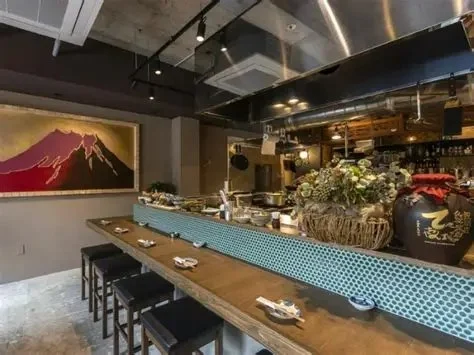
This doesn't mean every design needs a history textbook. But subtle nods—like a wall photo of Mount Fuji, a sake list curated by region, or a staff uniform inspired by a kimono cut—add authenticity and make the experience memorable.
Customers increasingly seek more than food; they want a journey. They want to feel transported. And that only happens when every design element feels intentional and connected to the culture it represents.
5. Real Case Examples and Successful Concepts
In Los Angeles, a well-reviewed izakaya called "Yoru" gained popularity for its seamless fusion of modern industrial design and classic izakaya warmth. Exposed pipes meet rice paper walls, and neon signs sit beside antique sake barrels. Diners say it feels “like stepping into Shibuya from a downtown alley.”
Meanwhile, a sushi house in Vancouver gained traction on Instagram by highlighting its tatami room with live bonsai workshops. The combination of visual beauty and interactive cultural touchpoints turned the venue into more than a restaurant—it became a community hub.
These case studies show that there’s no one template for what Japanese style restaurants should look like. The key is coherence: every design choice should reflect your interpretation of Japanese hospitality, or “omotenashi.”
6. Find Your Inspiration at Japanese Restaurant
Whether you're opening a new venue or refreshing an existing one, building the perfect Japanese-inspired space takes a blend of tradition, creativity, and respect for the culture. That’s why Japanese Restaurant exists—to help you discover the finest materials, designers, and inspirations rooted in authentic Japanese aesthetics.
From curated tableware to layout consultations and supplier recommendations, Japanese Restaurant connects you with the tools and services that elevate your space. If you're serious about getting it right—from the first lantern to the final sushi plate—we’re here to guide your journey with purpose and precision.
Designing a Japanese-style restaurant is not about copying—it’s about capturing the spirit. And with the right approach, that spirit becomes unforgettable.
 Nimblefish4.0 (425 reviews)
 Tokyo One4.0 (422 reviews)
 Hako4.0 (510 reviews)
 Japan Inn4.0 (2135 reviews)
 Kanpai4.0 (544 reviews)
 Anaba4.0 (151 reviews)
 How to Make the Soup at Japanese Restaurants: A Step-by-Step Guide
 A Foodie’s Experience at Tanto Japanese Restaurant – Authentic Japanese Cuisine
 What Makes the Best Japanese Restaurant in Los Angeles Stand Out Among Others
 An Insider’s Review of Miyabi Japanese Restaurant – Authentic Dining Experience
 Top Dishes to Order at Japanese Restaurants in Miami
 Why Do Koreans Run Japanese Restaurants? Cultural and Culinary Insights