
- 1-cultural-connections-between-korea-and-japan
- 2-why-do-koreans-run-japanese-restaurants
- 3-the-business-practicality-and-popularity
- 4-authenticity-vs-interpretation
- 5-how-this-reflects-on-diners-and-the-market
1. Cultural Connections Between Korea and Japan
The long and complex history between Korea and Japan has resulted in significant cultural exchange, especially in cuisine. From sushi to ramen, Japanese dishes are wildly popular in South Korea, just as Korean BBQ and bibimbap have gained fans worldwide. This mutual appreciation has led many Koreans to deeply understand—and even master—Japanese culinary traditions.
This culinary closeness is not just about recipes; it's about techniques, presentation, and the shared respect for fresh ingredients. So when exploring why Koreans operate Japanese restaurants, we first need to appreciate the cultural crossover that makes this not only logical but natural.
2. Why Do Koreans Run Japanese Restaurants?
The question why do Koreans run Japanese restaurants often stems from an assumption that only Japanese nationals can prepare “true” Japanese food. However, many Korean chefs study Japanese culinary arts formally, either in Japan or through rigorous programs in Korea itself. It’s not uncommon to find a Korean owner or chef who has worked in Tokyo for years before opening a sushi or ramen bar in Seoul, LA, or New York.
In some cases, these restaurateurs simply have a passion for Japanese cuisine. In others, it’s a strategic decision based on market demand—Japanese food has a broad appeal across many cultures, and Korean entrepreneurs are known for their adaptability and innovation in the food industry.
3. The Business Practicality and Popularity
Running a Japanese restaurant is a smart business move in many parts of the world. Japanese cuisine enjoys a reputation for being healthy, elegant, and flavorful. For Korean restaurateurs—especially those operating abroad in multicultural cities—this creates an opportunity to introduce popular, recognizable menus with a high rate of customer acceptance.
There’s also practicality in operations. Korean-run Japanese restaurants may source ingredients more efficiently through existing networks, apply Korean hospitality standards (which are renowned), and use a hybrid approach that resonates with local diners. Some even add subtle Korean elements—like gochujang-infused sauces or kimchi sides—to give dishes a unique twist while still honoring the essence of Japanese food.
4. Authenticity vs. Interpretation
One critique that sometimes arises is whether these restaurants are “authentic.” But authenticity is a complex topic. Is a California sushi roll less authentic than a nigiri made in Tokyo? Purists may argue yes—but the global dining scene thrives on reinterpretation and innovation.
A real-world example: In Los Angeles, the widely praised “Sushi Gen” is run by Korean-American chefs and serves thousands of loyal patrons who care more about taste and quality than the chef’s nationality. Diners today are increasingly open-minded. What matters is the experience on the plate—not a passport behind the counter.
5. How This Reflects on Diners and the Market
Ultimately, Korean-run Japanese restaurants reflect the dynamism of the global food industry. They represent how cultures intermingle and evolve. Rather than being confused or critical about “why do Koreans run Japanese restaurants,” we should celebrate the skill, dedication, and creativity behind these establishments.
If you're a diner looking for exceptional Japanese food, what truly matters is the experience: fresh sashimi, warm miso soup, crisp tempura. Many Korean chefs deliver these flavors flawlessly, and with a level of warmth and service that diners cherish.
Looking to explore some of the finest Japanese culinary experiences near you? Visit Japanese Restaurant for carefully selected venues and curated recommendations that blend tradition with excellence.
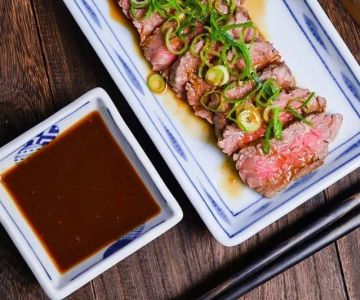
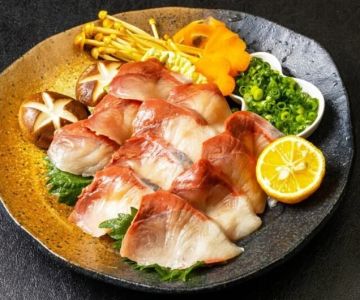
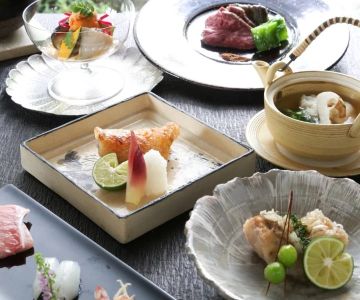
 Nimblefish4.0 (425 reviews)
 Tokyo One4.0 (422 reviews)
 Hako4.0 (510 reviews)
 Japan Inn4.0 (2135 reviews)
 Kanpai4.0 (544 reviews)
 Anaba4.0 (151 reviews)
 How to Make the Soup at Japanese Restaurants: A Step-by-Step Guide
 A Foodie’s Experience at Tanto Japanese Restaurant – Authentic Japanese Cuisine
 What Makes the Best Japanese Restaurant in Los Angeles Stand Out Among Others
 An Insider’s Review of Miyabi Japanese Restaurant – Authentic Dining Experience
 Top Dishes to Order at Japanese Restaurants in Miami
 Why Do Koreans Run Japanese Restaurants? Cultural and Culinary Insights