
The History and Flavor Behind Japanese BBQ Restaurants
- 1 - History of Japanese BBQ
- 2 - Types of Japanese BBQ
- 3 - Essential Ingredients and Flavors in Japanese BBQ
- 4 - The Cultural Significance of Japanese BBQ
- 5 - Modern Twists and Trends in Japanese BBQ
1 - History of Japanese BBQ
Japanese BBQ, also known as "Yakiniku" (焼肉), has deep roots in Japan’s culinary history. Its origins can be traced back to the early 20th century, influenced by Western-style grilling techniques brought to Japan. However, its development was distinctively Japanese, with unique flavors and styles emerging.
1.1 Influence of Western Cooking
After the Meiji Restoration in the late 19th century, Japan opened up to Western influences. This period saw the introduction of new cooking methods, including grilling meats over an open flame. The concept of BBQ was further refined into a unique Japanese style, emphasizing flavor, quality of ingredients, and careful preparation.
1.2 The Evolution of Yakiniku
The term "Yakiniku" literally translates to "grilled meat" and originally referred to the grilling of meat in a style similar to Korean BBQ. However, over time, Japanese BBQ has evolved to become its own distinct culinary tradition, with an emphasis on high-quality cuts of meat, such as wagyu beef, and sauces like tare.
2 - Types of Japanese BBQ
Japanese BBQ restaurants typically offer several distinct styles, each with its own preparation and dining experience. The most popular include yakiniku, teppanyaki, and robata, each with unique features.
2.1 Yakiniku
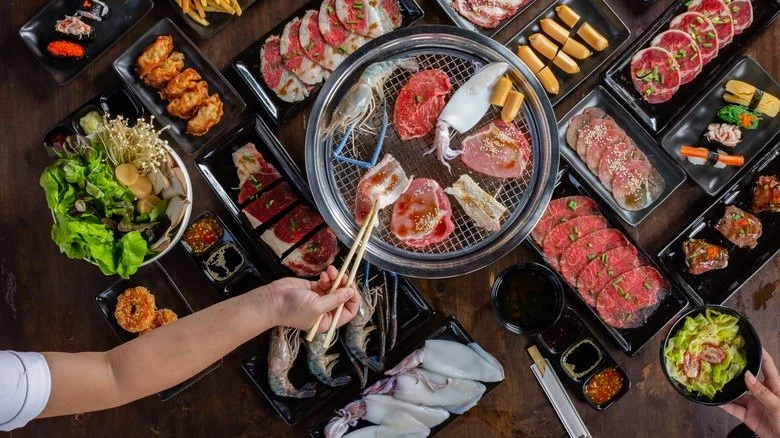
Yakiniku is the most widely recognized form of Japanese BBQ. In a yakiniku restaurant, diners grill their own meat at the table using a charcoal grill or electric grill. The meat, often paired with vegetables, is sliced thinly and cooked to perfection. Common choices include beef, pork, and chicken, with sauces and marinades adding rich layers of flavor.
2.2 Teppanyaki
Teppanyaki is another popular form of Japanese BBQ that involves cooking meat, seafood, and vegetables on a large flat iron grill. A trained chef typically prepares the meal in front of diners, creating an entertaining experience. Unlike yakiniku, which uses individual grills for each guest, teppanyaki offers a more communal dining style.
2.3 Robata
Robata (or robatayaki) is a traditional Japanese BBQ where food is grilled over an open flame. The term "robata" comes from the Japanese word for "hearth," reflecting its origins as a cooking method used by fishermen in coastal regions. The food is cooked on skewers and includes a variety of meats, fish, and vegetables.
3 - Essential Ingredients and Flavors in Japanese BBQ
The rich and savory flavors in Japanese BBQ come from high-quality ingredients and traditional Japanese seasonings. Whether it’s the delicate cut of wagyu beef or the balance of sweet and salty tare sauce, each element plays a vital role in creating the ultimate BBQ experience.
3.1 Tare Sauce
Tare sauce is an essential element of Japanese BBQ. Made from soy sauce, sake, mirin, sugar, and various seasonings, tare is often used to marinate the meat or served as a dipping sauce. The sauce's balance of sweetness, saltiness, and umami elevates the flavors of grilled meats.
3.2 Wagyu Beef
Wagyu beef is often regarded as the pinnacle of Japanese BBQ. Known for its intense marbling and tenderness, wagyu is a luxurious treat often featured in yakiniku restaurants. The fat melts at a lower temperature, providing a rich, buttery flavor that is a signature of high-end Japanese BBQ.
3.3 Vegetables and Sides
While meats take center stage in Japanese BBQ, vegetables and side dishes such as rice, pickles, and kimchi are also important. Vegetables like mushrooms, onions, and bell peppers are often grilled alongside the meat, adding a smoky flavor and texture to the meal.
4 - The Cultural Significance of Japanese BBQ
Japanese BBQ is not just about the food; it’s also about the experience and the cultural rituals that come with it. The communal style of dining fosters conversation and connection, making BBQ a popular choice for social gatherings and celebrations.
4.1 A Social Dining Experience
Dining at a Japanese BBQ restaurant is a social event. In yakiniku, for example, friends and family gather around the grill, cooking their own meat and sharing the experience. This communal style of eating reflects the Japanese value of connection and shared experiences.
4.2 BBQ and Special Occasions
Japanese BBQ is often reserved for special occasions, such as birthdays, holidays, or company celebrations. The lavish quality of the ingredients, especially when it includes wagyu beef, makes it a treat that marks a memorable event.
5 - Modern Twists and Trends in Japanese BBQ
While traditional Japanese BBQ methods are still widely popular, the culinary world is constantly evolving. In recent years, modern twists on Japanese BBQ have emerged, incorporating new flavors and influences while staying true to the fundamentals of the cuisine.
5.1 Fusion with Global Flavors
Some contemporary Japanese BBQ restaurants experiment by incorporating global flavors into the traditional menu. For example, using Korean-style sauces, or adding tropical fruits like pineapple for marinades, reflects how Japanese BBQ can adapt and incorporate other culinary traditions.
5.2 Health-Conscious Options
As health-conscious dining becomes more prevalent, many Japanese BBQ restaurants are offering lighter options, such as lean cuts of meat and plant-based proteins. Grilled fish, vegetables, and even tofu are becoming more common on BBQ menus, catering to vegetarian and vegan preferences.
 Hamachi Sushi4.0 (883 reviews)
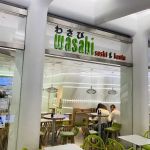 Wasabi Sushi & Bento Fulton Street2.0 (20 reviews)
 Bluefin Hibachi & Sushi4.0 (40 reviews)
 Mickey’s Place4.0 (43 reviews)
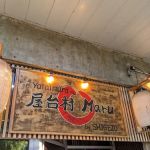 Yataimura Maru4.0 (1286 reviews)
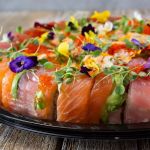 Greenfish - Santa Clara0.0 (0 reviews)
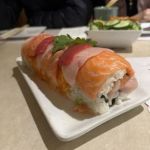 An Insider’s Review of Akasaka Sushi Korean Japanese Restaurant
 Why Douzo Modern Japanese Restaurant Boston is a Must-Try Spot for Japanese Food Lovers
 De Fune Japanese Restaurant in Marylebone London – A True Culinary Gem
 Why Locals Recommend Yamato Japanese Restaurant: A Local Favorite for Authentic Dining
 How to Ask for the Bill in a Japanese Restaurant | Cultural Dining Tips
 Exploring the Menu at Inakaya Japanese Restaurant: A Culinary Delight