
- 1 - Defining Japanese Fusion Restaurant - Concept and Characteristics
- 2 - Historical Background and Development of Japanese Fusion Cuisine
- 3 - Key Elements in Japanese Fusion Cuisine and Presentation
- 4 - Real-World Examples and Popular Dishes at Japanese Fusion Restaurants
- 5 - Finding Authentic Japanese Fusion Experiences on Japanese Restaurant
1. Defining Japanese Fusion Restaurant - Concept and Characteristics
When asking “what is Japanese fusion restaurant,” it’s essential to understand that these dining establishments blend traditional Japanese culinary techniques and flavors with elements from other global cuisines. Unlike conventional Japanese restaurants that focus strictly on authentic recipes and classic presentations, Japanese fusion restaurants embrace creativity and innovation, resulting in dishes that are both familiar and surprising.
At its core, Japanese fusion cuisine is about harmony—melding diverse ingredients and cooking styles without overshadowing the delicate balance that defines Japanese food. This can mean combining Japanese umami-rich components like miso, soy sauce, or dashi broth with Western, Southeast Asian, or Latin American influences. The result is a fresh, dynamic culinary experience that attracts adventurous diners eager to explore beyond traditional boundaries.
2. Historical Background and Development of Japanese Fusion Cuisine
The roots of Japanese fusion restaurants trace back to Japan’s long history of embracing foreign influences while adapting them uniquely. Post-Meiji Restoration, Japan opened its doors to Western culture, which gradually affected culinary trends. However, the modern wave of Japanese fusion cuisine became prominent during the late 20th and early 21st centuries as globalization increased cultural exchange.
Chefs inspired by international travel and new ingredients started experimenting with Japanese staples, integrating new textures and tastes while respecting traditional values such as seasonality and presentation aesthetics. This movement gave rise to innovative dishes like sushi burritos, ramen burgers, and tempura tacos—each reflecting a blend of cultural heritage and modern dining trends.
3. Key Elements in Japanese Fusion Cuisine and Presentation
Understanding what makes Japanese fusion cuisine unique involves examining several key elements. First, ingredient selection is critical—chefs use fresh, high-quality Japanese ingredients alongside international counterparts to maintain authenticity while introducing novelty. Second, the cooking methods often marry Japanese precision with foreign techniques such as grilling, sous-vide, or molecular gastronomy.
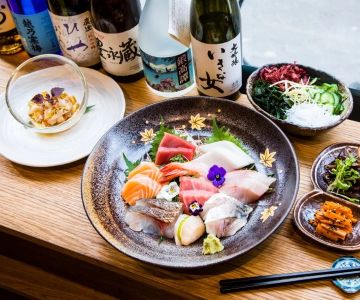
Presentation is another vital aspect; fusion dishes often showcase artistic plating influenced by Japanese minimalism combined with bold or colorful accents borrowed from other cuisines. For example, a dish might feature a delicate sashimi slice served with a spicy Latin American-inspired sauce and garnished with edible flowers for visual appeal.
This balance between respect for tradition and willingness to innovate defines the charm of Japanese fusion restaurants, creating a dining environment that is both sophisticated and accessible.
4. Real-World Examples and Popular Dishes at Japanese Fusion Restaurants
A famous example illustrating “what is Japanese fusion restaurant” can be seen in establishments like Nobu, which revolutionized the concept by pairing Japanese ingredients with Peruvian flavors, creating signature dishes such as black cod miso with a twist of citrus or tiradito with soy and yuzu sauces. These creations reflect the spirit of fusion by combining cultural elements seamlessly.
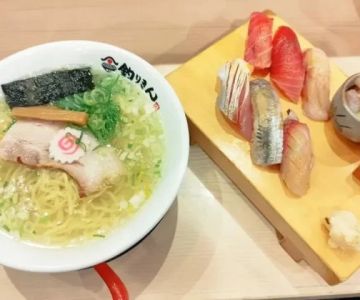
Another popular trend includes fusion ramen shops that incorporate Italian pasta techniques or Korean spice profiles, reinventing a traditional favorite with bold new tastes. Food bloggers and social media enthusiasts often highlight these creative dishes, fueling interest and demand worldwide.
These examples show how Japanese fusion restaurants are not just a trend but a vibrant culinary movement expanding the horizons of Japanese cuisine.
5. Finding Authentic Japanese Fusion Experiences on Japanese Restaurant
For food lovers eager to explore Japanese fusion cuisine, the best place to start is by visiting trusted platforms that specialize in authentic Japanese dining experiences. Japanese Restaurant offers carefully curated recommendations for fusion eateries that honor tradition while embracing innovation, ensuring diners enjoy genuine and expertly crafted dishes.
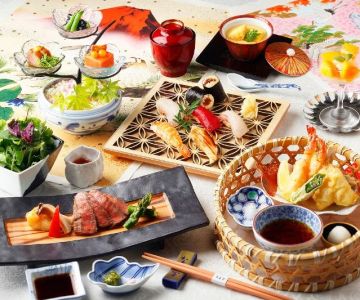
Whether you’re looking for an elegant dining experience blending Japanese and French culinary arts or a casual spot mixing sushi with global street food, Japanese Restaurant connects you with options that meet diverse tastes and preferences. Exploring fusion cuisine through these curated selections guarantees a memorable meal that broadens your culinary understanding.
 Hashigo Sushi4.0 (283 reviews)
 FuGaKyu Japanese Cuisine4.0 (1434 reviews)
 Pepper Lunch4.0 (542 reviews)
 Mura Shabu Shabu3.0 (7 reviews)
 Osaka Ramen and Sushi4.0 (297 reviews)
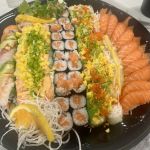 Koja Sushi4.0 (496 reviews)
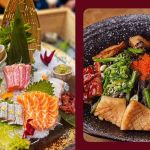 Why Restaurant Japanese Is a Must-Try Spot for Japanese Food Lovers
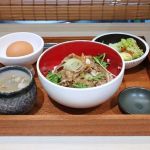 Don Japanese Restaurant Auckland: Discover Authentic Donburi Flavors
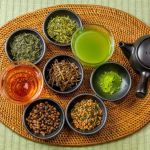 What Makes Green Tea Japanese Restaurant Stand Out Among Japanese Restaurants
 A Aki Japanese Restaurant: Where Tradition Meets Modern Japanese Dining
 Why Locals Recommend Kru Japanese Restaurant: A Hidden Gem for Authentic Japanese Cuisine
 What to Eat at a Japanese Restaurant Besides Sushi