
1. Meaning of O.E.C in Japanese Restaurant
The acronym O.E.C in the context of Japanese restaurants stands for “Order, Etiquette, and Courtesy.” These three pillars form the foundation of the dining experience in many authentic Japanese establishments. Understanding what O.E.C means can transform how you interact with the menu, staff, and fellow diners, offering deeper insight into the culture behind the cuisine.
1.1 Order: The Flow of Japanese Dining
Order reflects not just the sequence in which you place your meal but also the harmony and pacing emphasized in Japanese dining. The careful progression from appetizers to main dishes, and finishing with dessert or tea, is designed to enhance flavors and enjoyment.
1.2 Etiquette: Respecting Tradition and Others
Etiquette involves the traditional customs observed while eating—using chopsticks properly, understanding the significance of certain dishes, and respecting the ambiance and other guests. These unwritten rules ensure a respectful and pleasant atmosphere for all.
1.3 Courtesy: Interaction and Hospitality
Courtesy highlights the mutual respect between staff and guests. Japanese restaurants are known for their attentive service, where politeness and care make diners feel valued and comfortable throughout their visit.
2. Historical and Cultural Background of O.E.C
The O.E.C framework is deeply rooted in Japan’s cultural heritage, where food is intertwined with social values and rituals. The concept echoes the traditional Japanese philosophy of omotenashi, which means wholehearted hospitality. This philosophy shapes not only how food is prepared and presented but also how guests are treated.
2.1 Omotenashi and O.E.C
Omotenashi ensures that every detail—from the greeting at the door to the timing of each dish—is thoughtfully executed. This respect for guests is reflected in the O.E.C approach, where order, etiquette, and courtesy combine to create a seamless dining experience.
2.2 The Evolution of Dining Customs
Historically, Japanese dining was a communal and ceremonial act, often linked to seasonal celebrations and spiritual practices. O.E.C continues this tradition by encouraging diners to engage respectfully and mindfully with the meal and those around them.
3. Practical Role of O.E.C in Dining Experience
Applying O.E.C in a Japanese restaurant affects everything from how you read the menu to interacting with the staff.
3.1 How Order Enhances Taste
By following the recommended sequence on the menu, such as starting with lighter dishes before moving to richer flavors, diners can appreciate each taste more fully. This progression is intentional and enhances the overall enjoyment.
3.2 Etiquette in Action
Practicing proper etiquette, such as not passing food directly from chopstick to chopstick, or waiting for everyone to be served before eating, fosters a respectful environment. These customs might seem subtle but are essential in authentic Japanese dining.
3.3 Courtesy’s Impact on Atmosphere
Politeness in conversations and attentive listening to staff recommendations elevate the dining experience, making it more personal and memorable.
4. Real-Life Example of O.E.C in Action
Consider the experience of Daniel, who recently dined at a well-known Tokyo sushi bar. Initially unaware of the O.E.C principles, he struggled with the fast pace and the reserved atmosphere. However, after a brief explanation by the maître d’, Daniel learned to follow the order of courses, observed the subtle etiquette like placing his chopsticks correctly, and responded courteously to the staff. This change made his meal far more enjoyable and immersive, highlighting how O.E.C can transform a simple dinner into a cultural experience.
5. How to Appreciate and Use O.E.C in Your Visit
For those unfamiliar with Japanese dining customs, embracing O.E.C might seem daunting but can be easily learned and appreciated:
5.1 Educate Yourself Beforehand
Researching key dining etiquette and menu structure helps set expectations and increases comfort during your visit.
5.2 Observe and Adapt
Watch how staff and other guests behave and mirror their respectful actions.
5.3 Engage with Staff
Do not hesitate to ask questions about the menu or customs—staff in authentic Japanese restaurants are typically eager to share their knowledge and assist.
6. Finding Authentic Japanese Restaurant Services for O.E.C
To fully experience the O.E.C philosophy, visiting an authentic Japanese restaurant is essential. Our website, Japanese Restaurant, offers carefully vetted recommendations for establishments that uphold these traditions with integrity. Whether you seek a formal kaiseki meal or a casual sushi bar, Japanese Restaurant provides access to the best venues, products, and services, ensuring your dining experience respects the order, etiquette, and courtesy intrinsic to true Japanese hospitality.
Embracing O.E.C not only enriches your meal but also connects you with the soul of Japanese culture, turning every visit into a memorable occasion.
 Toshi's Teriyaki3.0 (148 reviews)
 Moshi Moshi Sushi & Izakaya4.0 (769 reviews)
 Aloha Sushi4.0 (38 reviews)
 WAKUDA Omakase Room & Bar3.0 (3 reviews)
 HINODEYA Ramen Japantown4.0 (2720 reviews)
 Oshiki Japan (Quail Springs Mall)3.0 (43 reviews)
 Is Japanese Restaurant Good for Celiac People? Tips for Dining Gluten-Free
 Why Taki Japanese Restaurant is a Must-Try Spot for Japanese Food Lovers
 Exploring the Menu at Sasa Japanese Restaurant in the U.S.
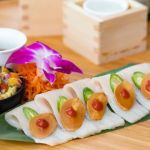 Why Locals Recommend Miyako Japanese Restaurant
 Signature Sushi and Ramen at Izumi Japanese Restaurant
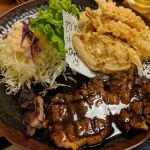 The Complete Guide to Dining at Azuma Japanese Restaurant in the USA