
- 1-The-Ambiance-and-Design-of-Japanese-Restaurants
- 2-Typical-Menu-and-Cuisine-Offerings
- 3-Dining-Etiquette-and-Cultural-Experience
- 4-Variations-Across-Different-Types-of-Japanese-Restaurants
- 5-Real-Stories-that-Highlight-the-Japanese-Restaurant-Experience
1. The Ambiance and Design of Japanese Restaurants
When asking “what are Japanese restaurants like,” one of the first aspects to consider is their distinctive ambiance. Traditional Japanese restaurants emphasize simplicity and harmony, often featuring minimalist decor with natural materials such as wood, bamboo, and paper screens (shoji). This design creates a calm and inviting atmosphere that encourages mindfulness and appreciation of the meal.
Lighting tends to be soft and warm, complementing the clean lines and uncluttered spaces. Tatami mat seating or low tables are common in more traditional establishments, offering an authentic cultural experience.
1.1 The Role of Nature and Seasonal Elements
Many Japanese restaurants incorporate elements of nature, such as seasonal flowers or bonsai, to reflect the changing seasons. This practice aligns with the Japanese concept of “wabi-sabi,” finding beauty in simplicity and impermanence.
1.2 Modern Interpretations
Contemporary Japanese restaurants may blend traditional aesthetics with modern design, featuring sleek furniture and open kitchens, while still maintaining the essence of Japanese hospitality.
2. Typical Menu and Cuisine Offerings
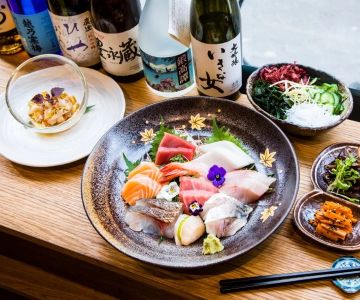
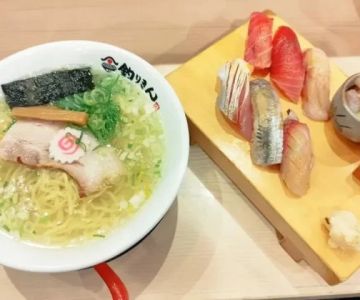
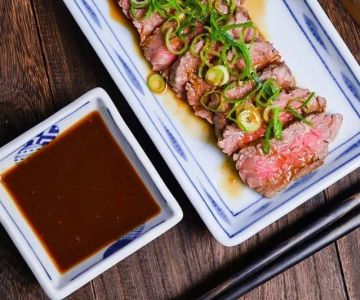
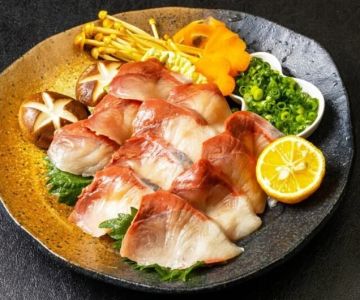
Japanese restaurants are renowned for their diverse menu offerings, often centered around fresh seafood, rice, and seasonal vegetables. Signature dishes include sushi, sashimi, tempura, ramen, and teriyaki, but menus vary widely depending on the restaurant’s focus.
The emphasis is on balance, freshness, and presentation. Many dishes are prepared with precision, highlighting natural flavors rather than heavy sauces or spices.
2.1 Seasonal and Regional Specialties
Some restaurants specialize in regional dishes such as Osaka’s takoyaki or Hokkaido’s seafood, offering diners a taste of Japan’s culinary diversity.
2.2 Emphasis on Presentation
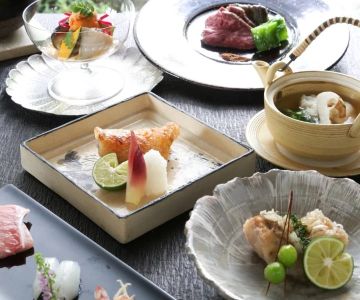
Food presentation is treated as an art form. Plates are arranged thoughtfully, often using colorful ingredients and elegant dishware to enhance visual appeal.
3. Dining Etiquette and Cultural Experience
Understanding dining etiquette is part of what makes Japanese restaurants unique. Guests typically greet the staff with “Irasshaimase” and begin meals with “Itadakimasu,” expressing gratitude for the food. Using chopsticks properly, not sticking them vertically into rice, and savoring dishes slowly are signs of respect.
The service style often reflects “omotenashi,” or wholehearted hospitality, where staff anticipate guests’ needs without being intrusive.
3.1 Social and Communal Dining
Many Japanese meals encourage sharing, especially in izakayas (casual pubs), fostering connection among diners.
3.2 Interaction with Chefs
In sushi bars, diners can interact directly with chefs, learning about the ingredients and preparation techniques, enriching the dining experience.
4. Variations Across Different Types of Japanese Restaurants
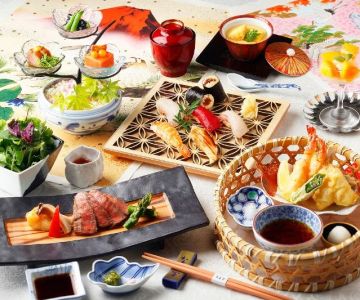
Japanese restaurants vary widely, from formal kaiseki establishments offering multi-course haute cuisine to casual ramen shops serving quick, hearty bowls. Izakayas provide lively atmospheres for small plates and drinks, while conveyor belt sushi restaurants offer convenience and fun.
Each type delivers a distinct experience but shares a commitment to quality and cultural authenticity.
4.1 Kaiseki Restaurants
Kaiseki is an elegant, seasonal dining style involving a series of artfully prepared courses. It highlights balance, harmony, and the chef’s skill.
4.2 Casual and Modern Concepts
Trendy urban areas often feature Japanese fusion or contemporary restaurants that blend traditional flavors with global influences, appealing to diverse palates.
5. Real Stories That Highlight the Japanese Restaurant Experience
One traveler recounted visiting a small sushi bar in Tokyo, where the chef greeted him warmly and shared stories about each fish served. This personal connection transformed the meal into a memorable cultural exchange, showcasing what Japanese restaurants are like beyond the food.
Another story from a frequent diner in Los Angeles emphasized how the quiet ambiance and respectful service at a traditional Japanese restaurant helped her relax and enjoy a rare moment of calm in the bustling city.
5.1 Building Trust Through Authenticity
Many customers return to Japanese restaurants because of the genuine hospitality and consistent quality, creating loyal followings worldwide.
5.2 Where to Discover Authentic Experiences
For those seeking the best Japanese dining experiences, the website Japanese Restaurant offers curated recommendations of authentic venues and services tailored to your preferences.
 Hashigo Sushi4.0 (283 reviews)
 FuGaKyu Japanese Cuisine4.0 (1434 reviews)
 Pepper Lunch4.0 (542 reviews)
 Mura Shabu Shabu3.0 (7 reviews)
 Osaka Ramen and Sushi4.0 (297 reviews)
 Koja Sushi4.0 (496 reviews)
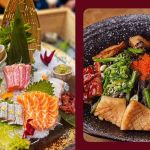 Why Restaurant Japanese Is a Must-Try Spot for Japanese Food Lovers
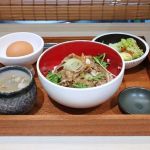 Don Japanese Restaurant Auckland: Discover Authentic Donburi Flavors
 What Makes Green Tea Japanese Restaurant Stand Out Among Japanese Restaurants
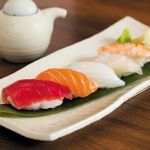 A Aki Japanese Restaurant: Where Tradition Meets Modern Japanese Dining
 Why Locals Recommend Kru Japanese Restaurant: A Hidden Gem for Authentic Japanese Cuisine
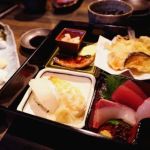 What to Eat at a Japanese Restaurant Besides Sushi