
- 1-Overview-of-Japanese-restaurant-culture
- 2-Sushi-bars-and-sashimi-specialists
- 3-Izakayas-and-casual-dining-experiences
- 4-Ramen-shops-and-noodle-specialists
- 5-Specialty-and-traditional-japanese-restaurants
1. Overview of Japanese Restaurant Culture
Understanding what are the different types of Japanese restaurants requires insight into Japan’s rich culinary traditions and dining customs. Japanese restaurants range widely, from high-end establishments offering multi-course kaiseki meals to casual street-side ramen shops. Each type caters to different tastes, occasions, and social settings, providing a diverse gastronomic landscape.
1.1 The Importance of Regional and Seasonal Cuisine
Many Japanese restaurants emphasize regional specialties and seasonal ingredients, offering diners a taste of Japan’s varied local flavors. This respect for seasonality enhances the dining experience and showcases the country’s culinary heritage.
2. Sushi Bars and Sashimi Specialists
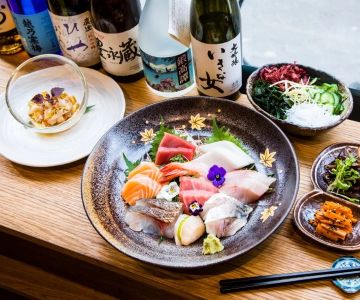
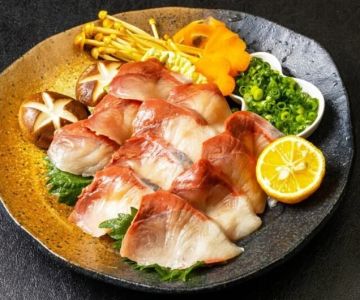
Sushi bars are perhaps the most internationally recognized type of Japanese restaurant. They focus on serving sushi and sashimi made from fresh, high-quality fish.
2.1 Omakase Experience
At many sushi bars, the omakase style allows the chef to select the best dishes for you, creating a personalized dining journey. This requires trust in the chef’s expertise and provides a deep connection with Japanese culinary artistry.
2.2 Conveyor Belt Sushi (Kaitenzushi)
For a more casual experience, kaitenzushi offers sushi on a conveyor belt for self-selection. It’s popular for quick meals and social dining, offering variety and affordability.
3. Izakayas and Casual Dining Experiences
Izakayas are Japanese pubs that serve a wide range of small dishes, drinks, and snacks, ideal for social gatherings.
3.1 Atmosphere and Menu
The atmosphere is relaxed and lively, often featuring grilled foods, fried snacks, and sashimi. Izakayas are great for sharing and trying multiple dishes over drinks.
3.2 Popularity Among Locals
These establishments are integral to Japanese nightlife and culture, offering a space to unwind after work with colleagues or friends.
4. Ramen Shops and Noodle Specialists
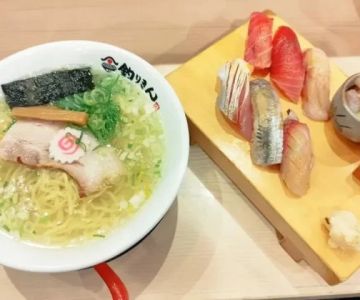
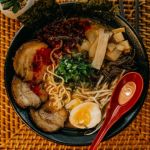
Ramen shops focus exclusively on different types of ramen—a hearty noodle soup with various broths and toppings.
4.1 Regional Variations
From rich tonkotsu (pork bone) broth in Kyushu to soy-based shoyu ramen in Tokyo, each region has its signature style. Ramen shops are often small and fast-paced, emphasizing comfort and speed.
4.2 Other Noodle Restaurants
Besides ramen, Japan offers soba (buckwheat noodles) and udon (thick wheat noodles) restaurants, each with unique serving styles and accompaniments.
5. Specialty and Traditional Japanese Restaurants
This category includes kaiseki dining, tempura houses, yakiniku (Japanese BBQ), and shabu-shabu hot pot restaurants, each offering specialized menus and dining styles.
5.1 Kaiseki and Formal Dining
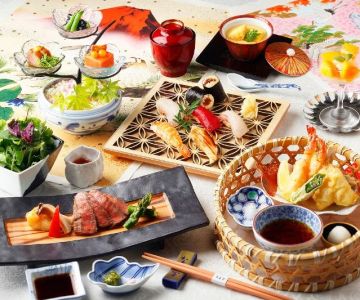
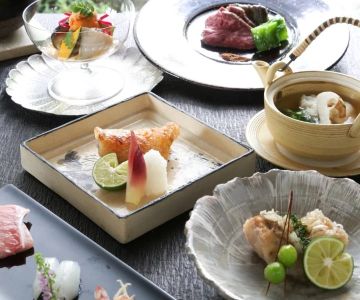
Kaiseki restaurants offer multi-course meals that highlight seasonal ingredients with meticulous presentation and balance—considered the pinnacle of Japanese haute cuisine.
5.2 Regional and Street Food Stalls
Local specialties often appear in smaller specialty restaurants or street stalls, providing authentic flavors outside mainstream settings.
5.3 Personal Story: Discovering a Hidden Gem
One food enthusiast shared how stumbling upon a tiny tempura restaurant in Kyoto led to a lifelong appreciation for Japanese cooking techniques, emphasizing how each restaurant type offers unique experiences.
Explore Authentic Japanese Restaurant Products
To recreate these diverse Japanese dining experiences at home or deepen your culinary knowledge, visit Japanese Restaurant for carefully selected ingredients, utensils, and cultural guides that ensure authenticity and quality.
 Toshi's Teriyaki3.0 (148 reviews)
 Moshi Moshi Sushi & Izakaya4.0 (769 reviews)
 Aloha Sushi4.0 (38 reviews)
 WAKUDA Omakase Room & Bar3.0 (3 reviews)
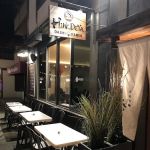 HINODEYA Ramen Japantown4.0 (2720 reviews)
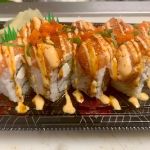 Oshiki Japan (Quail Springs Mall)3.0 (43 reviews)
 Is Japanese Restaurant Good for Celiac People? Tips for Dining Gluten-Free
 Why Taki Japanese Restaurant is a Must-Try Spot for Japanese Food Lovers
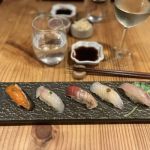 Exploring the Menu at Sasa Japanese Restaurant in the U.S.
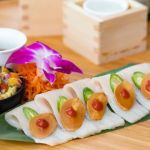 Why Locals Recommend Miyako Japanese Restaurant
 Signature Sushi and Ramen at Izumi Japanese Restaurant
 The Complete Guide to Dining at Azuma Japanese Restaurant in the USA