
What Can a Diabetic Eat at a Japanese Restaurant?
- 1 - Understanding Diabetes and Diet
- 2 - Low-Carbohydrate Options for Diabetics
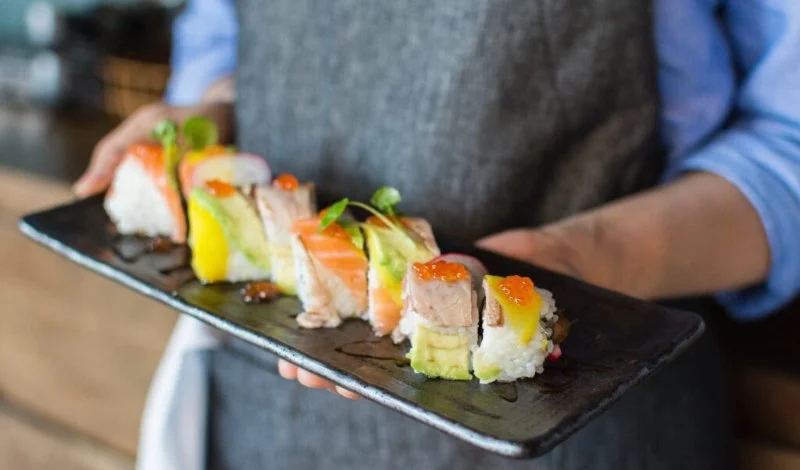
- 3 - Healthy Sushi Choices for Diabetics
- 4 - Sides and Accompaniments for Diabetic-Friendly Meals
- 5 - Beverages to Consider at a Japanese Restaurant
1. Understanding Diabetes and Diet
When dining out, especially at a Japanese restaurant, people with diabetes need to be mindful of their food choices to manage their blood sugar levels. A balanced diet that includes low-glycemic foods, healthy fats, and lean proteins is key to controlling diabetes. In this context, it's essential to focus on meals that avoid excessive carbohydrates, especially refined sugars and white rice, which can spike blood sugar levels.
Japanese cuisine offers a variety of options, but it’s crucial to choose dishes wisely to ensure they align with diabetic dietary needs. With some awareness and preparation, it’s possible to enjoy a flavorful, satisfying meal while keeping blood sugar in check.
2. Low-Carbohydrate Options for Diabetics
When looking for low-carbohydrate options at a Japanese restaurant, it's best to focus on dishes that are rich in protein and vegetables but low in starchy ingredients. Here are some options to consider:
- Grilled Fish or Chicken: Grilled or broiled fish like salmon, mackerel, or tuna, and grilled chicken skewers (yakitori), are excellent choices as they provide lean protein with little to no carbs.
- Shabu-Shabu: This Japanese hot pot dish is perfect for diabetics. You can cook lean meats like beef or chicken with an assortment of vegetables, providing a filling, low-carb meal.
- Seaweed Salad: A great alternative to carb-heavy side dishes, seaweed salad is rich in fiber, healthy fats, and low in carbs, making it an excellent choice for managing blood sugar.
By focusing on grilled, broiled, or steamed dishes with lean proteins and vegetables, you can keep your carbohydrate intake low while enjoying the rich flavors of Japanese cuisine.
3. Healthy Sushi Choices for Diabetics
Sushi is a popular dish at Japanese restaurants, but for diabetics, it's essential to be selective. Traditional sushi is often made with white rice, which is high in carbohydrates. However, there are several ways to make sushi a healthier choice:
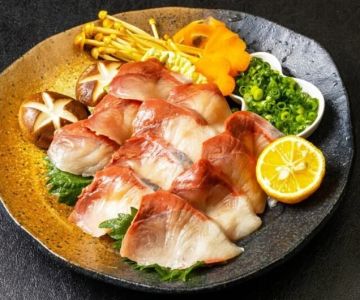
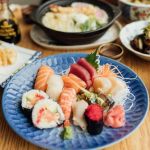
- Sashimi: Sashimi is simply thinly sliced raw fish or seafood without rice, making it a perfect choice for diabetics. It's low in carbs and rich in omega-3 fatty acids, which are beneficial for heart health.
- Sushi with Brown Rice: If you prefer sushi with rice, opt for sushi made with brown rice instead of white rice. Brown rice has a lower glycemic index and provides more fiber, helping to control blood sugar levels.
- Vegetable Rolls: Vegetable rolls, made with avocado, cucumber, and other low-carb veggies, are an excellent alternative to traditional sushi rolls with fish and rice.
By choosing sashimi, brown rice sushi, or vegetable rolls, you can enjoy the taste of sushi without the carb overload that comes with traditional sushi rolls.
4. Sides and Accompaniments for Diabetic-Friendly Meals
While traditional Japanese meals often include rice, there are several side dishes and accompaniments that are diabetes-friendly and can add flavor without spiking blood sugar levels:
- Miso Soup: A staple in Japanese cuisine, miso soup is a healthy, low-calorie, low-carb option that provides a rich umami flavor. Just be mindful of the salt content, and opt for a light version if possible.
- Picked Vegetables: Japanese restaurants often offer pickled vegetables like daikon radish, which can help with digestion and provide a refreshing contrast to savory dishes.
- Edamame: Steamed edamame (young soybeans) is a healthy, protein-packed snack that is low in carbohydrates and high in fiber, making it an ideal side dish for those with diabetes.
These sides and accompaniments can complement your meal, ensuring you have a balanced, diabetes-friendly dining experience while still enjoying the flavors of Japan.
5. Beverages to Consider at a Japanese Restaurant
When choosing a beverage at a Japanese restaurant, it’s important to opt for options that won’t spike your blood sugar. Here are some beverage choices to consider:
- Green Tea: Green tea is an excellent beverage choice. It’s rich in antioxidants, low in calories, and has no sugar. It also helps with digestion and can be a great complement to your meal.
- Water or Sparkling Water: When in doubt, stick with water or sparkling water. Both are calorie-free and will keep you hydrated without affecting your blood sugar.
- Unsweetened Iced Tea: If you prefer iced beverages, opt for unsweetened iced tea. It offers a refreshing alternative without added sugars.
By avoiding sugary drinks like sodas and sweetened teas, you can enjoy a beverage that enhances your meal without disrupting your blood sugar levels.
For more guidance on diabetes-friendly meals and tips for dining out, visit Japanese Restaurant. We offer recommendations on the best dishes and options to suit your dietary needs while enjoying Japanese cuisine.
 Chicago Kalbi BBQ4.0 (493 reviews)
 Dharma Sushi & Grill5.0 (2 reviews)
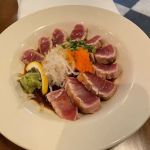 Cafe Zen4.0 (246 reviews)
 Tokyo Feng Ramen & Sushi4.0 (37 reviews)
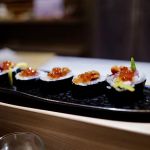 Sushi @ Temple Records4.0 (53 reviews)
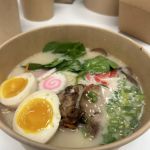 Ramen Station5.0 (8 reviews)
 Must Try Japanese Restaurants in Tokyo - Top Dining Spots
 The Complete Guide to Dining at Sake Japanese Restaurant | Experience Authentic Japanese Cuisine
 Why Locals Recommend Yamato Japanese Restaurant in Los Angeles
 Why Kazu Japanese Restaurant Is a Must-Try Spot for Japanese Food Lovers
 The Complete Guide to Dining at Nagomi Japanese Restaurant | Explore Authentic Japanese Cuisine
 Why Taiko Japanese Restaurant Is a Must-Try Spot for Japanese Food Lovers