
- 1-What Is a Sake Japanese Restaurant?
- 2-Choosing the Right Sake for Your Meal
- 3-Authentic Japanese Dining Experience
- 4-Sake Restaurant Etiquette
- 5-Must-Try Dishes at Sake Japanese Restaurant
- 6-How to Order at a Sake Japanese Restaurant
- 7-Real-Life Dining Experiences at Sake Restaurants
1. What Is a Sake Japanese Restaurant?
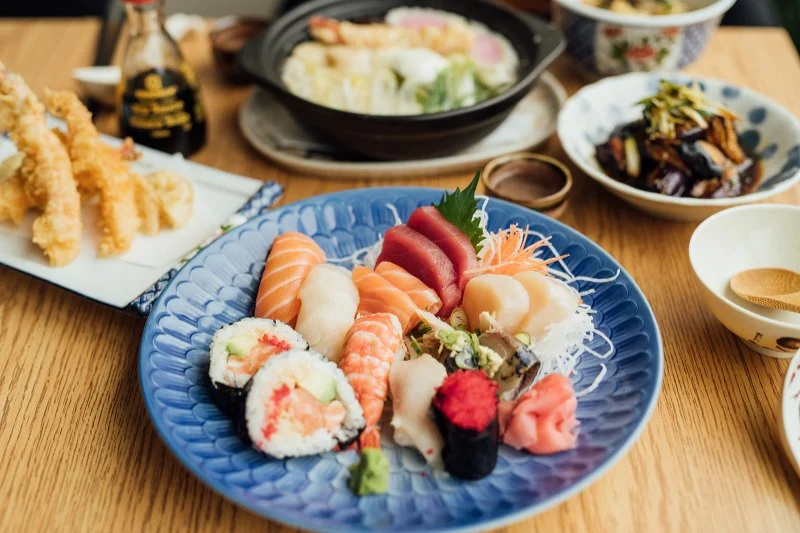
A sake Japanese restaurant is a dining establishment that specializes in serving traditional Japanese cuisine paired with sake, a type of Japanese rice wine. These restaurants focus on offering authentic dishes such as sushi, sashimi, tempura, and various other regional specialties, often using fresh, high-quality ingredients. The ambiance is typically serene and minimalist, reflecting the simplicity and elegance of Japanese culture.
The experience at a sake restaurant goes beyond just the food—it’s a cultural journey that introduces you to the art of pairing food with sake. Many sake Japanese restaurants also provide an extensive sake list, offering different varieties of sake, each with unique flavors and aromas that complement various dishes.
2. Choosing the Right Sake for Your Meal
One of the highlights of dining at a sake Japanese restaurant is selecting the right sake to complement your meal. Sake is traditionally served in various styles, including warm and cold, and each type pairs differently with food. Here’s how you can choose the right sake:
2.1 Types of Sake
Sake comes in many types, such as Junmai, Ginjo, and Daiginjo, each varying in sweetness, dryness, and fragrance. Junmai sake, for example, tends to have a fuller, richer flavor, making it ideal for hearty dishes like grilled meats and fried tempura. On the other hand, Ginjo sake has a more delicate flavor profile, making it perfect for sushi and lighter fare.
2.2 Temperature Matters
Sake can be served either chilled or warm, and the temperature you choose can influence the flavor. For example, premium sake like Ginjo and Daiginjo is typically served chilled to bring out its fruity and floral notes, while more rustic sake is often served warm to highlight its earthy qualities.
3. Authentic Japanese Dining Experience
Dining at a sake Japanese restaurant isn’t just about the food—it’s about the overall experience. Traditional Japanese dining involves a deep respect for the ingredients, preparation, and presentation of the meal. The pace of dining is slower compared to typical Western meals, allowing diners to savor each bite.
3.1 The Art of Presentation
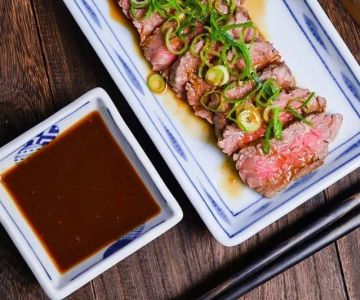
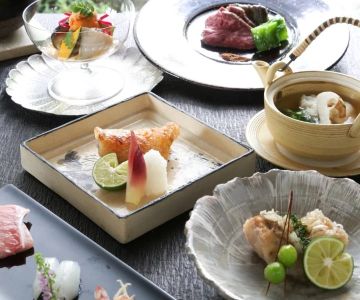
In Japanese cuisine, the visual appeal of food is as important as the taste. When dining at a sake restaurant, expect dishes to be artfully presented, often in small portions, allowing you to enjoy the texture, color, and aroma of each item. This attention to detail is part of the immersive experience that makes dining at a sake Japanese restaurant so special.
3.2 Multi-Course Meals
Many sake restaurants offer multi-course meals, such as kaiseki, where each dish is carefully selected to complement the others. The order of the dishes follows a traditional pattern, often starting with lighter flavors and progressing to more complex and richer tastes. This allows you to fully appreciate the variety and depth of Japanese cuisine.
4. Sake Restaurant Etiquette
While dining at a sake Japanese restaurant, it's important to be mindful of cultural etiquette. Here are a few tips to ensure a respectful and enjoyable dining experience:
4.1 Pouring Sake for Others
In Japan, it’s customary to pour sake for others rather than serving yourself. When someone offers to pour your drink, it’s polite to accept. Similarly, be sure to pour sake for others at the table as a gesture of hospitality.
4.2 Use of Chopsticks
Chopsticks are the primary utensils used in Japanese dining. Avoid sticking your chopsticks upright into your rice or passing food directly from one set of chopsticks to another, as these actions resemble funeral rituals and are considered bad luck.
4.3 Silence and Appreciation
Japanese dining is a quiet and respectful experience. While it’s not necessary to be completely silent, maintaining a calm and composed demeanor is important. Show appreciation for your meal by saying “Itadakimasu” before eating and “Gochisousama deshita” after finishing, which translates to “thank you for the meal” and “it was a feast” respectively.
5. Must-Try Dishes at Sake Japanese Restaurant
When dining at a sake Japanese restaurant, there are certain dishes you shouldn’t miss. Here are some of the best dishes to try during your visit:
5.1 Sushi and Sashimi
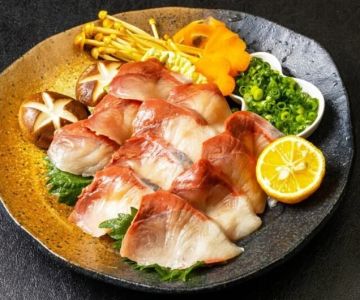
No visit to a Japanese restaurant would be complete without sushi and sashimi. Whether you prefer classic nigiri or sashimi-style fish, these dishes showcase the freshness and quality of the seafood. Pair them with a light and crisp sake for an unforgettable experience.
5.2 Tempura
Tempura is a popular Japanese dish consisting of battered and deep-fried vegetables or seafood. It’s light, crispy, and pairs perfectly with a medium-bodied sake. This dish is a favorite in many sake Japanese restaurants for its delicate yet satisfying flavor.
5.3 Ramen or Udon
For a heartier option, try a bowl of ramen or udon. These noodle soups are comforting and rich in flavor, and they can be paired with both cold and warm sake, depending on your preference.
6. How to Order at a Sake Japanese Restaurant
Ordering at a sake Japanese restaurant can seem overwhelming, especially if you’re new to Japanese cuisine. Here’s a simple guide to help you navigate the menu:
6.1 Start with Appetizers
Begin your meal with small appetizers or “otsumami,” which could include edamame, seaweed salad, or pickled vegetables. These light bites will open your palate for the main courses to come.
6.2 Choose Your Main Course
Next, select your main dish, whether it’s sushi, sashimi, tempura, or a hot dish like ramen or donburi. Be sure to ask the server for recommendations if you’re unsure what to order.
6.3 Pair with Sake
Don’t forget to ask about sake recommendations that pair well with your meal. Many sake restaurants offer tasting flights, which can give you a chance to try different varieties and discover your favorite pairings.
7. Real-Life Dining Experiences at Sake Restaurants
Real-life stories of dining at sake Japanese restaurants often reveal how special the experience can be. Take the story of Mark and Jenny, who visited a sake restaurant in Tokyo to celebrate their anniversary. They were treated to a multi-course meal, with each dish thoughtfully paired with a unique sake. The experience left them with lasting memories, and they continue to visit sake restaurants whenever they travel to Japan.
Dining at a sake Japanese restaurant is an immersive and enjoyable way to explore the beauty of Japanese culture through its food and drinks. If you’re looking to plan your next visit, check out Japanese Restaurant for recommendations on the best dining spots and sake pairings!
 Kobe Teppan & Sushi4.0 (1536 reviews)
 Kanji Noodle Bar3.0 (71 reviews)
 TEN Sushi + Cocktail Bar4.0 (518 reviews)
 Ramen Ryoma Hillcrest4.0 (436 reviews)
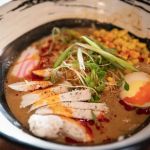 Katsu Ramen4.0 (3658 reviews)
 M Sushi4.0 (1497 reviews)
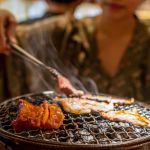 Top Dishes You Should Order at Japanese BBQ Restaurant
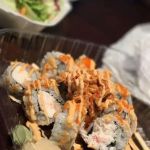 A-Tan's Japanese Restaurant San Marcos TX Menu Highlights and Dining Guide
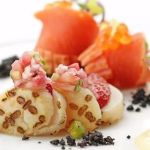 Top Dishes You Should Order at Nami Japanese Restaurant
 Why Locals Recommend Japanese Curry Restaurants
 What Soup Do They Serve at Japanese Restaurants? A Guide to Authentic Flavors
 The History and Flavor Behind Best Japanese Restaurants Near Me