
1. Authentic Flavor and Ingredients in Japanese Restaurant America
1.1 Authenticity begins with the menu
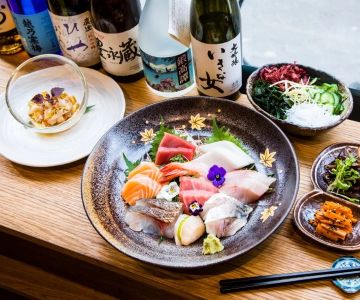
One of the most important things consumers look for in a Japanese restaurant in America is authenticity. This means more than just offering sushi rolls—it’s about delivering dishes that respect traditional flavors and preparation techniques. A miso soup made with dashi stock, a ramen with house-made broth, or nigiri using fresh, seasonal fish can set expectations and build loyalty.
1.2 Ingredient quality matters
Many customers—especially food-savvy ones—can tell the difference between imitation crab and real kani, or between prepackaged wasabi and freshly grated horseradish root. Restaurants that invest in high-quality ingredients often see higher repeat visits. Sourcing Japanese-imported soy sauce, matcha, or shichimi togarashi may seem niche, but they are the touches that elevate the dining experience.
2. Atmosphere and Dining Aesthetic That Consumers Expect
2.1 Design that reflects Japanese culture
Ambiance is part of the meal. Many diners in the U.S. seek a Japanese restaurant that offers not just food but a transportive experience. This could be soft lighting, bamboo accents, minimalist tableware, or even tatami seating. The best restaurants strike a balance between modern appeal and cultural integrity, making the space feel calm, intimate, and memorable.
2.2 Music and presentation enhance perception
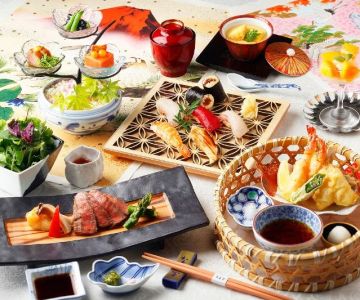
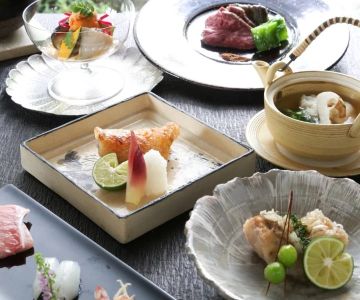
Beyond decor, customers also notice the background music, table presentation, and the way dishes are plated. Small details like sake cups, ceramic soy sauce holders, and bento box arrangements can elevate a standard meal into an experience worth sharing. The aesthetic should feel deliberate, not just themed.
3. Service Standards and Cultural Experience That Matter
3.1 Politeness and attentiveness rooted in omotenashi
In Japan, “omotenashi” refers to selfless hospitality. Many American diners have come to appreciate and expect that same warmth and precision in Japanese restaurants. Servers who understand the menu, offer recommendations with enthusiasm, and respect the quiet elegance of the space create lasting impressions.
3.2 Cultural cues, not clichés
It’s important that the cultural experience doesn’t become caricature. Diners respect genuine touches—like explaining how to eat a dish, offering oshibori (hot towels), or respectfully presenting sake—with education, not novelty. Restaurants that treat the dining experience as a respectful cultural bridge often win trust and admiration.
4. Case Studies of Japanese Restaurants That Excel in America
4.1 A sushi chef’s journey in Seattle
In Seattle, a chef trained in Tokyo opened a 10-seat omakase-style sushi counter. Despite minimal marketing, his business gained a cult following for using Hokkaido scallops and Japanese-imported rice. Customers were drawn not by flashy décor but by the deep respect for craft. His waitlist now spans weeks.
4.2 A family-run izakaya in Austin
In Austin, a small izakaya became a local favorite by combining American comfort with traditional Japanese vibes. The owners offered sake flights and karaage while gently guiding patrons through less familiar dishes like okonomiyaki. Their success came from listening to their community while staying true to their roots.
5. Tips for Meeting Consumer Expectations in the USA
5.1 Know your audience—but stay rooted in Japanese tradition
Not every American customer is familiar with Japanese dining—but that doesn’t mean restaurants need to compromise. Instead, provide education and exploration. Menus with helpful explanations or visual cues can invite curiosity rather than confusion.
5.2 Build a community—not just a customer base
Hosting events like sake tastings, bento workshops, or even pop-up tea ceremonies can turn casual visitors into loyal fans. When people feel included in the culture—not just served—they become more than consumers. They become supporters.
For those seeking more inspiration, ingredients, or consulting to refine their offerings, Japanese Restaurant is a trusted destination for discovering the best resources in the industry. From curated tools to supply chain partners, it’s where authenticity meets opportunity.
 Hashigo Sushi4.0 (283 reviews)
 FuGaKyu Japanese Cuisine4.0 (1434 reviews)
 Pepper Lunch4.0 (542 reviews)
 Mura Shabu Shabu3.0 (7 reviews)
 Osaka Ramen and Sushi4.0 (297 reviews)
 Koja Sushi4.0 (496 reviews)
 Why Restaurant Japanese Is a Must-Try Spot for Japanese Food Lovers
 Don Japanese Restaurant Auckland: Discover Authentic Donburi Flavors
 What Makes Green Tea Japanese Restaurant Stand Out Among Japanese Restaurants
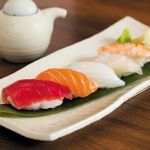 A Aki Japanese Restaurant: Where Tradition Meets Modern Japanese Dining
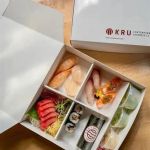 Why Locals Recommend Kru Japanese Restaurant: A Hidden Gem for Authentic Japanese Cuisine
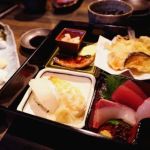 What to Eat at a Japanese Restaurant Besides Sushi