
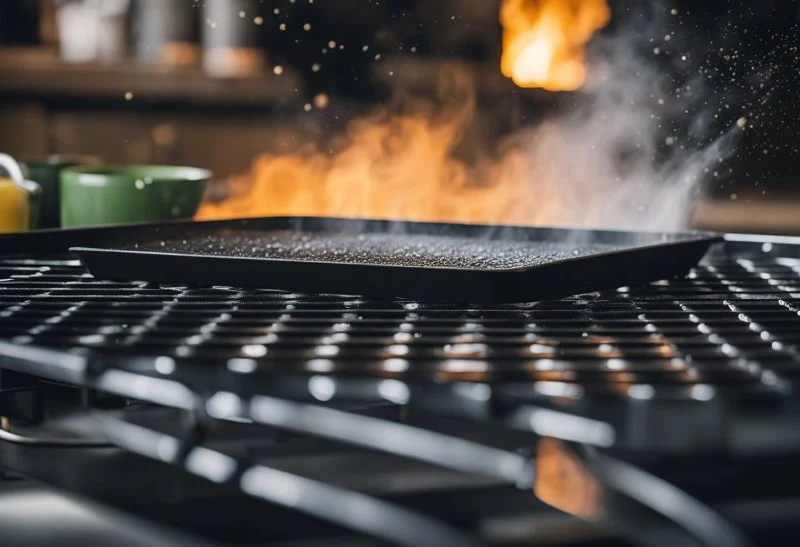
- what-chefs-spray-on-the-griddle-in-japanese-restaurants
- the-purpose-behind-the-spray
- different-types-of-sprays-used
- how-it-affects-flavor-and-texture
- professional-techniques-at-japanese-restaurant
- why-this-simple-spray-is-an-essential-part-of-teppanyaki-culture
1. What Chefs Spray on the Griddle in Japanese Restaurants
If you've ever sat at a teppanyaki table in a Japanese restaurant, you've likely seen the chef spray something on the hot griddle before searing shrimp, flipping eggs, or flambéing steak. Many diners are left wondering: what does Japanese restaurants spray on the griddle? The answer may seem simple, but it’s rooted in culinary technique, performance flair, and food science.
2. The Purpose Behind the Spray
2.1 Preventing Sticking and Enhancing Cook Surface
First and foremost, chefs spray oil or a water-oil mix to create a slick cooking surface. This prevents ingredients like sliced beef, scallops, or vegetables from sticking to the griddle. A thin, even coat ensures even cooking and easy flipping—essential in a high-heat, fast-paced environment.
2.2 Controlling Temperature Zones
In many Japanese restaurants, chefs use the spray to help regulate hot and cool spots. For instance, a quick mist of water evaporates instantly and reveals which sections are hottest, helping chefs move delicate ingredients like tofu or salmon away from direct heat when needed.
3. Different Types of Sprays Used
3.1 Cooking Oils: Canola, Soybean, and Sesame
The most common substance sprayed is neutral cooking oil. Canola oil is often preferred because of its high smoke point and light flavor. However, some chefs add sesame oil for aroma—especially during the final sear to add depth to fried rice or noodles.
3.2 Oil-Water Mix for Better Control
Some restaurants use a mix of oil and water in spray bottles. This method allows chefs to quickly hydrate the griddle and avoid excess greasiness. In theatrical hibachi settings, this also sets up the classic volcano-onion fire trick by adding sake or alcohol to the mix for flambé effects.
3.3 Non-Aerosol Cooking Sprays
Higher-end teppanyaki chefs may use refillable sprayers to control both quantity and pressure. This ensures an even layer without overpowering the dish’s flavor profile, keeping the focus on the ingredients’ natural taste.
4. How It Affects Flavor and Texture
Beyond function, the spray influences the flavor and texture of the final dish. For instance, when a thin film of sesame oil hits a hot surface, it produces nutty, aromatic steam that clings to meats and vegetables. This subtle infusion helps create the signature umami that Japanese cuisine is known for.
Additionally, the light oiling ensures ingredients achieve that perfect golden crust without drying out. When chefs mist water alongside the oil, it creates steam pockets—softening vegetables like bean sprouts while keeping the edges slightly crisp.
5. Professional Techniques at Japanese Restaurant
At Japanese Restaurant, for example, chefs are trained to apply the spray in a rhythmic, almost choreographed motion. This is not only functional—it’s part of the entertainment. One customer at our Orlando branch described how the chef “synchronized each spray with his spatula flips—it was like watching a culinary ballet.”
Precision is key. Spraying too much oil can drown the flavor, while too little leads to uneven cooking. Chefs often practice for months before performing tableside.
6. Why This Simple Spray Is an Essential Part of Teppanyaki Culture
Ultimately, the griddle spray is more than a kitchen trick—it’s a core tool that enhances texture, elevates presentation, and reinforces the performative art of teppanyaki. From garlic-fried rice to filet mignon with soy butter, these details make the dining experience memorable.
If you're looking to enjoy authentic teppanyaki or learn more about what goes on behind the steam and sizzle, visit Japanese Restaurant for immersive dining and chef-curated products you can use at home.
 Hamachi Sushi4.0 (883 reviews)
 Wasabi Sushi & Bento Fulton Street2.0 (20 reviews)
 Bluefin Hibachi & Sushi4.0 (40 reviews)
 Mickey’s Place4.0 (43 reviews)
 Yataimura Maru4.0 (1286 reviews)
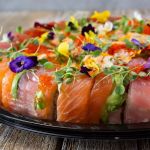 Greenfish - Santa Clara0.0 (0 reviews)
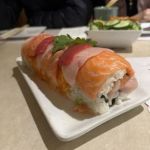 An Insider’s Review of Akasaka Sushi Korean Japanese Restaurant
 Why Douzo Modern Japanese Restaurant Boston is a Must-Try Spot for Japanese Food Lovers
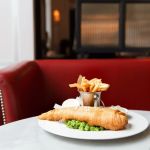 De Fune Japanese Restaurant in Marylebone London – A True Culinary Gem
 Why Locals Recommend Yamato Japanese Restaurant: A Local Favorite for Authentic Dining
 How to Ask for the Bill in a Japanese Restaurant | Cultural Dining Tips
 Exploring the Menu at Inakaya Japanese Restaurant: A Culinary Delight